
Easy
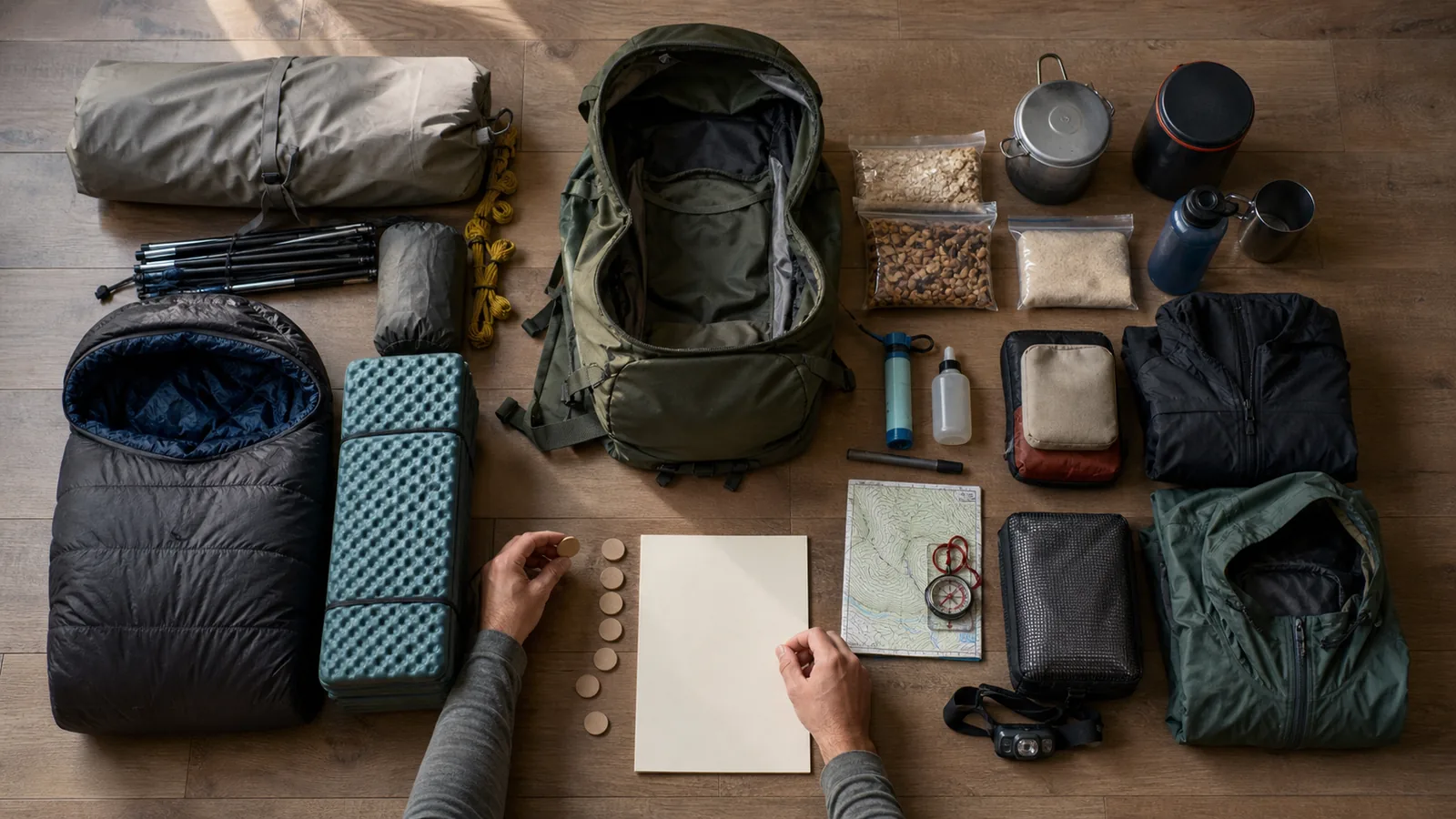
A Backpacking Checklist Built From the Route
Turn route conditions into shelter, sleep, water, food, clothing, navigation, repair, and legal requirements, then verify that every chosen item is packed and tested.
Read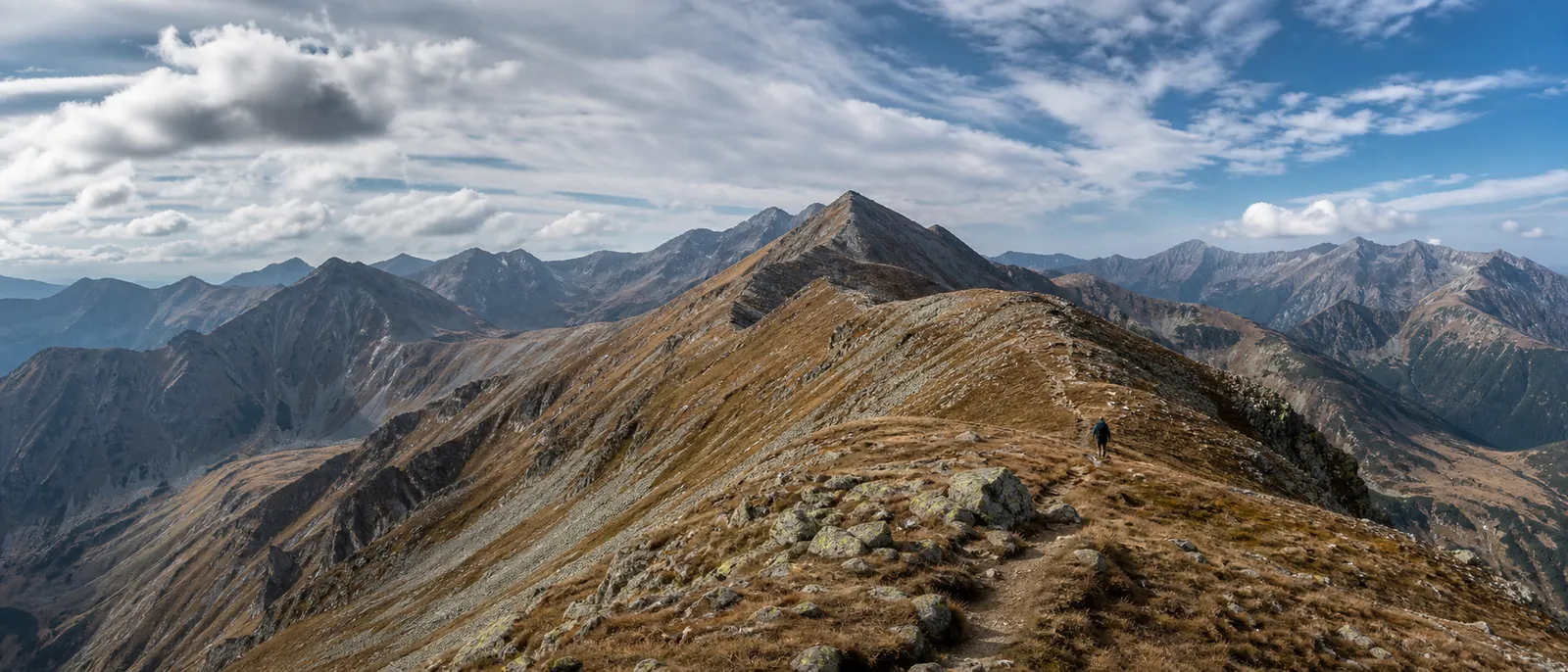
Backpacking means carrying your shelter, food, and sleep system to camp away from roads. Start with how to pack a backpack, plan food and water, and keep your load manageable.
Each one is field-tested and, where safety is involved, checked by a qualified responder.
Turn route conditions into shelter, sleep, water, food, clothing, navigation, repair, and legal requirements, then verify that every chosen item is packed and tested.
Read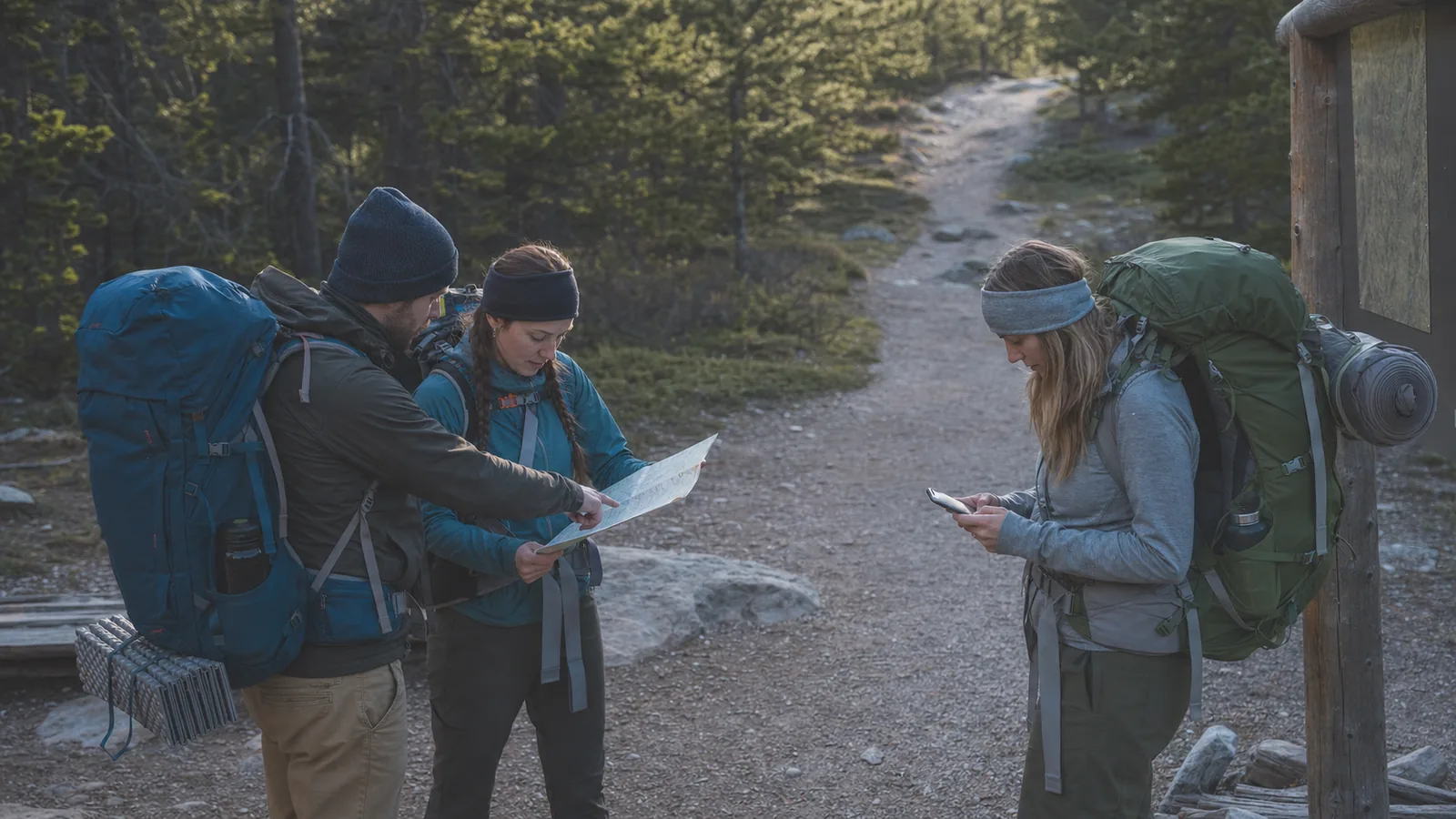
Protect the next safe option with a useful trip plan, independent navigation, verified water, weather cutoffs, orderly camp work, and early emergency communication.
Read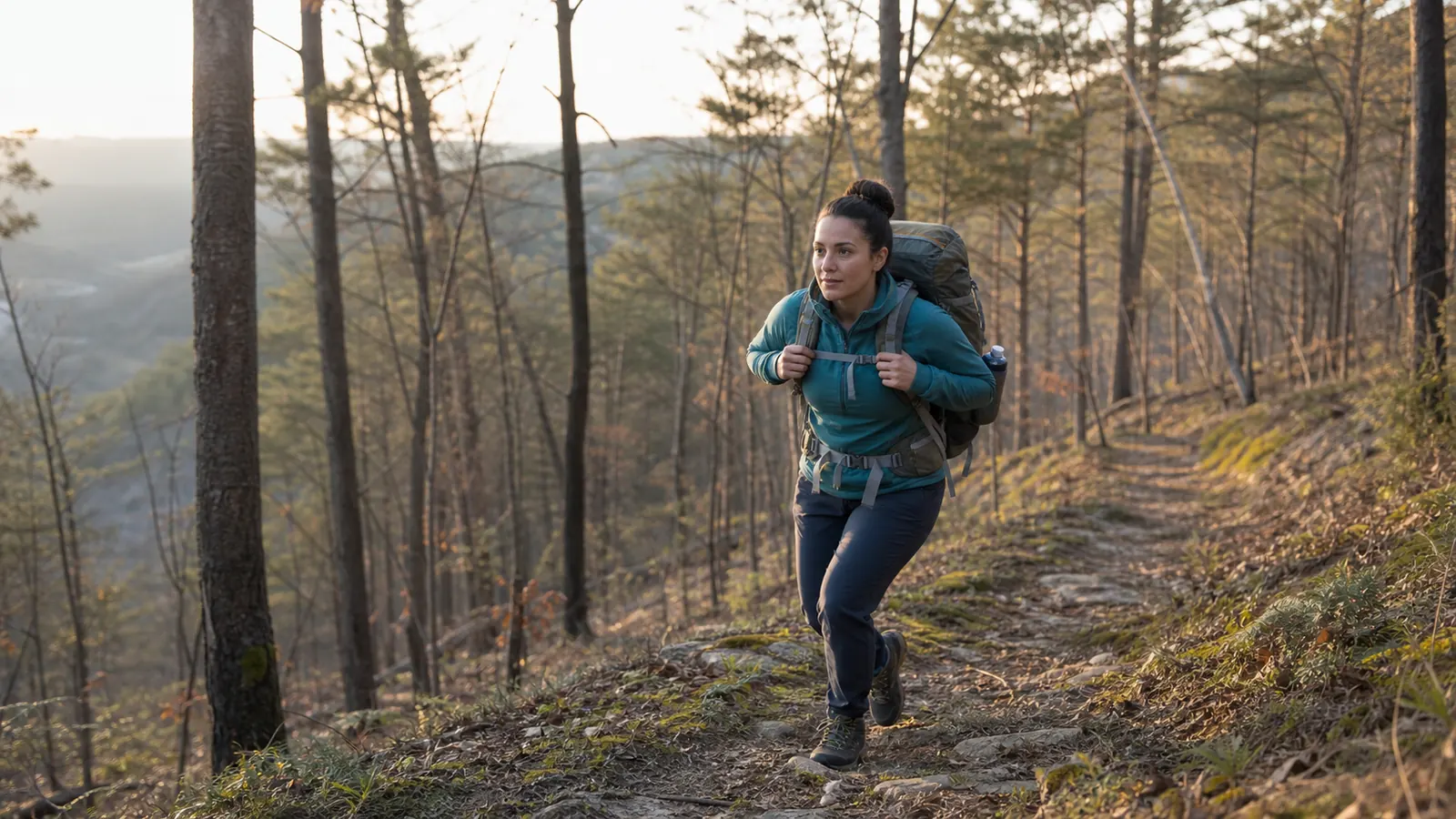
Build time on feet, climbing strength, downhill control, pack tolerance, and next-day recovery around the route you will actually carry.
Read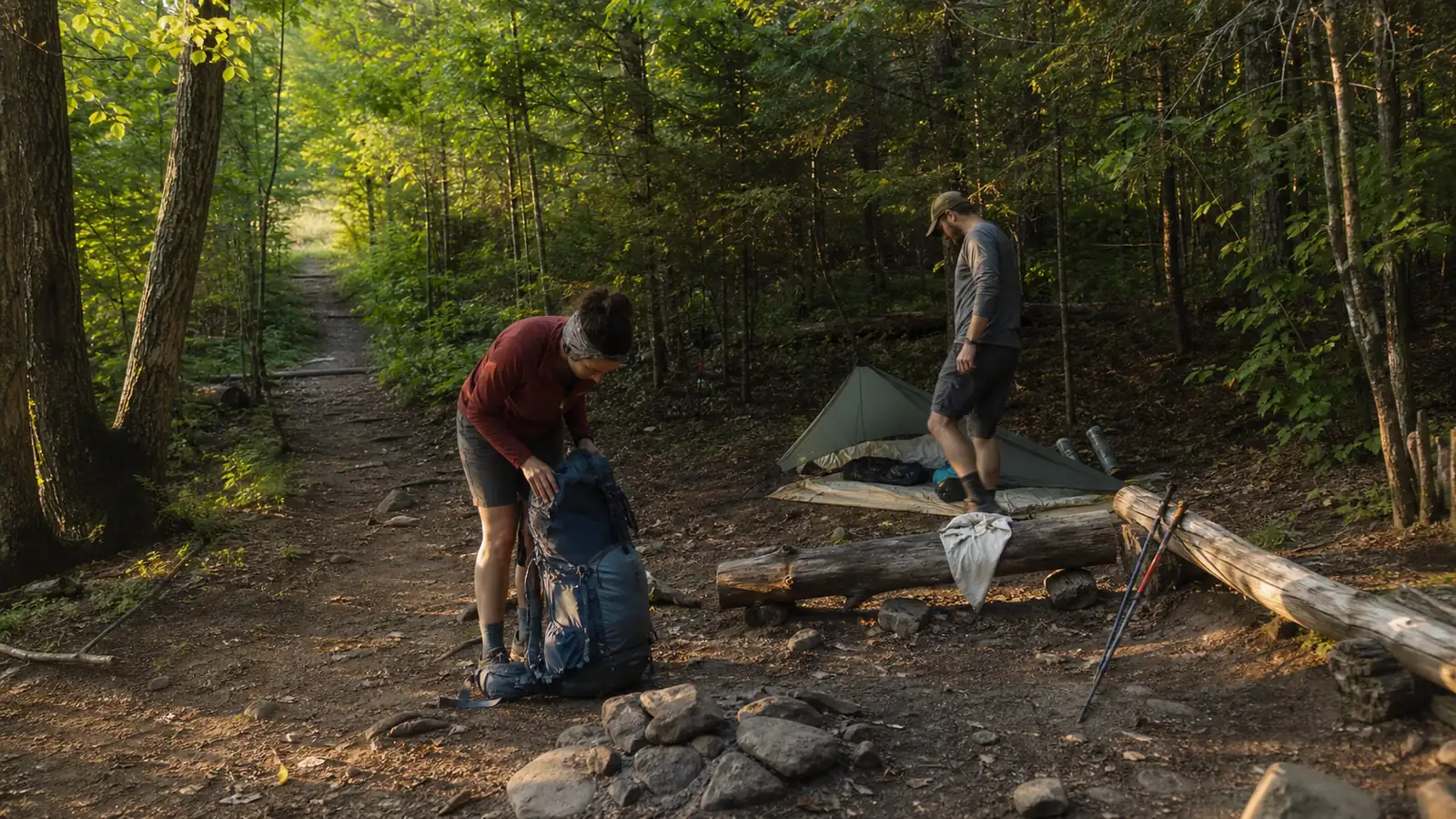
Make the first overnight short enough that shelter, sleep, water, food, camp work, and the morning teach more than the mileage.
Read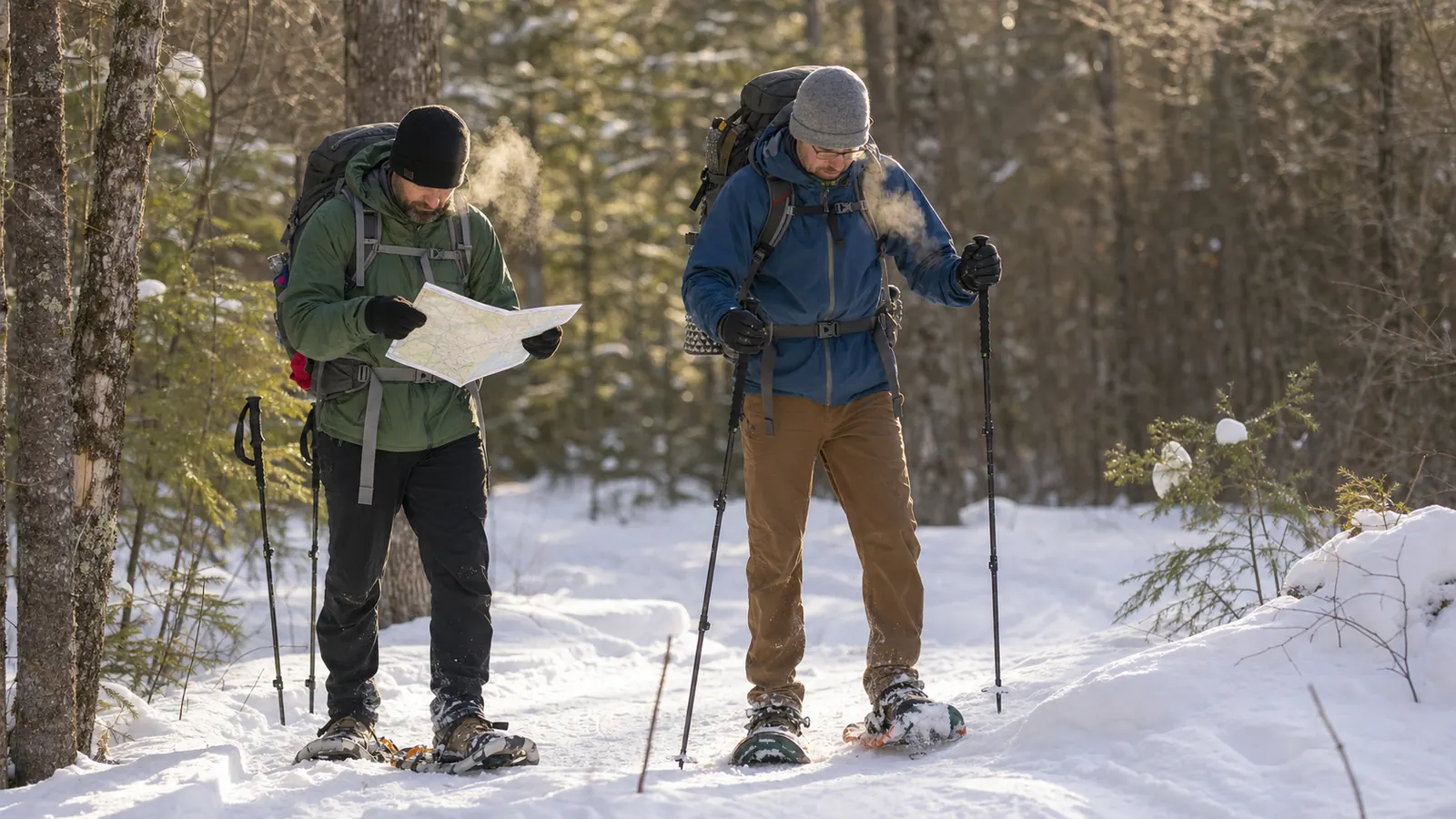
Lower the route ceiling until snow travel, navigation, dry insulation, liquid water, camp work, and the cold morning restart all pass together.
Read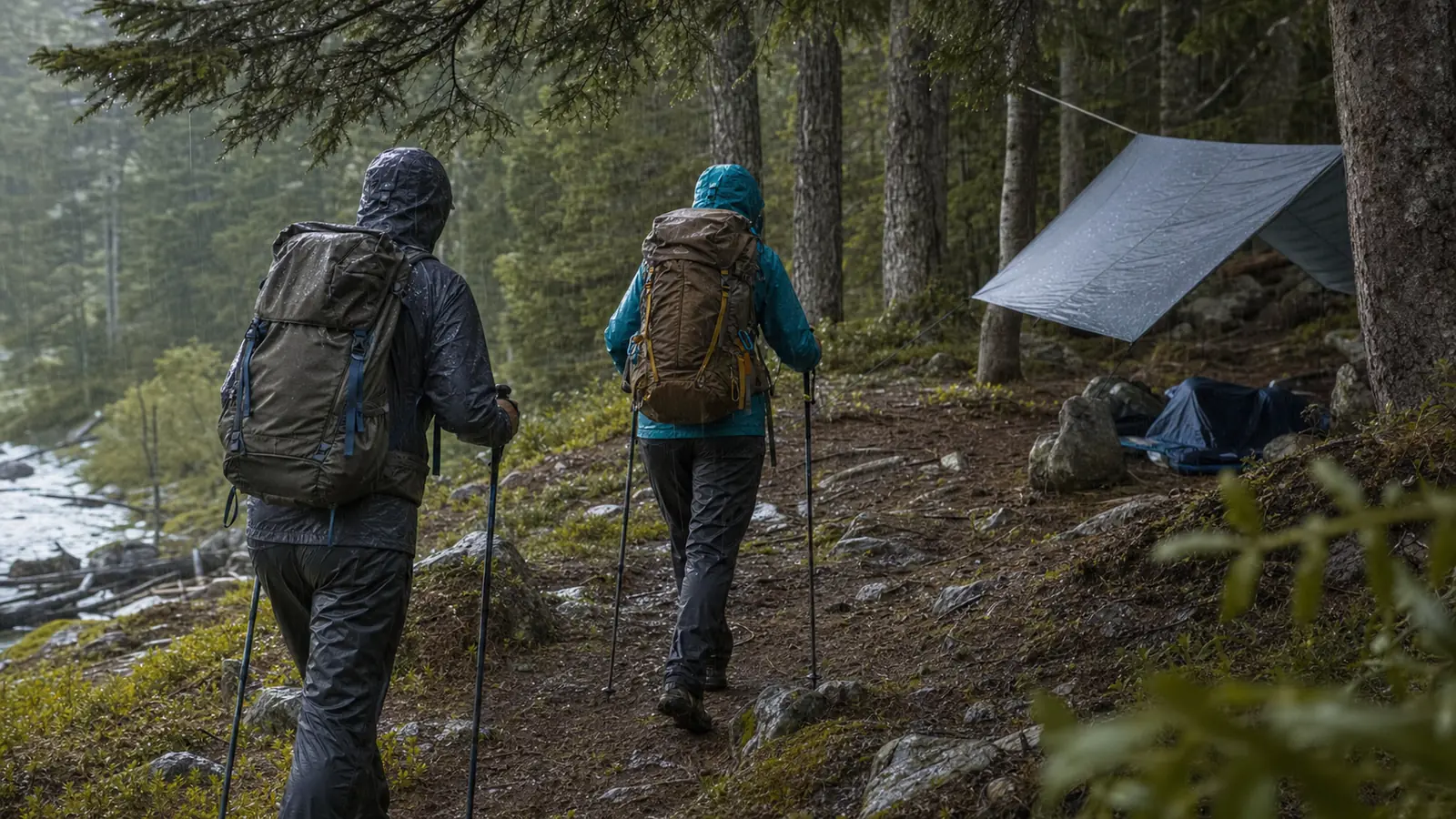
Protect one dry recovery core and organize wet movement, pack access, camp setup, feet, cold response, and the next morning around it.
Read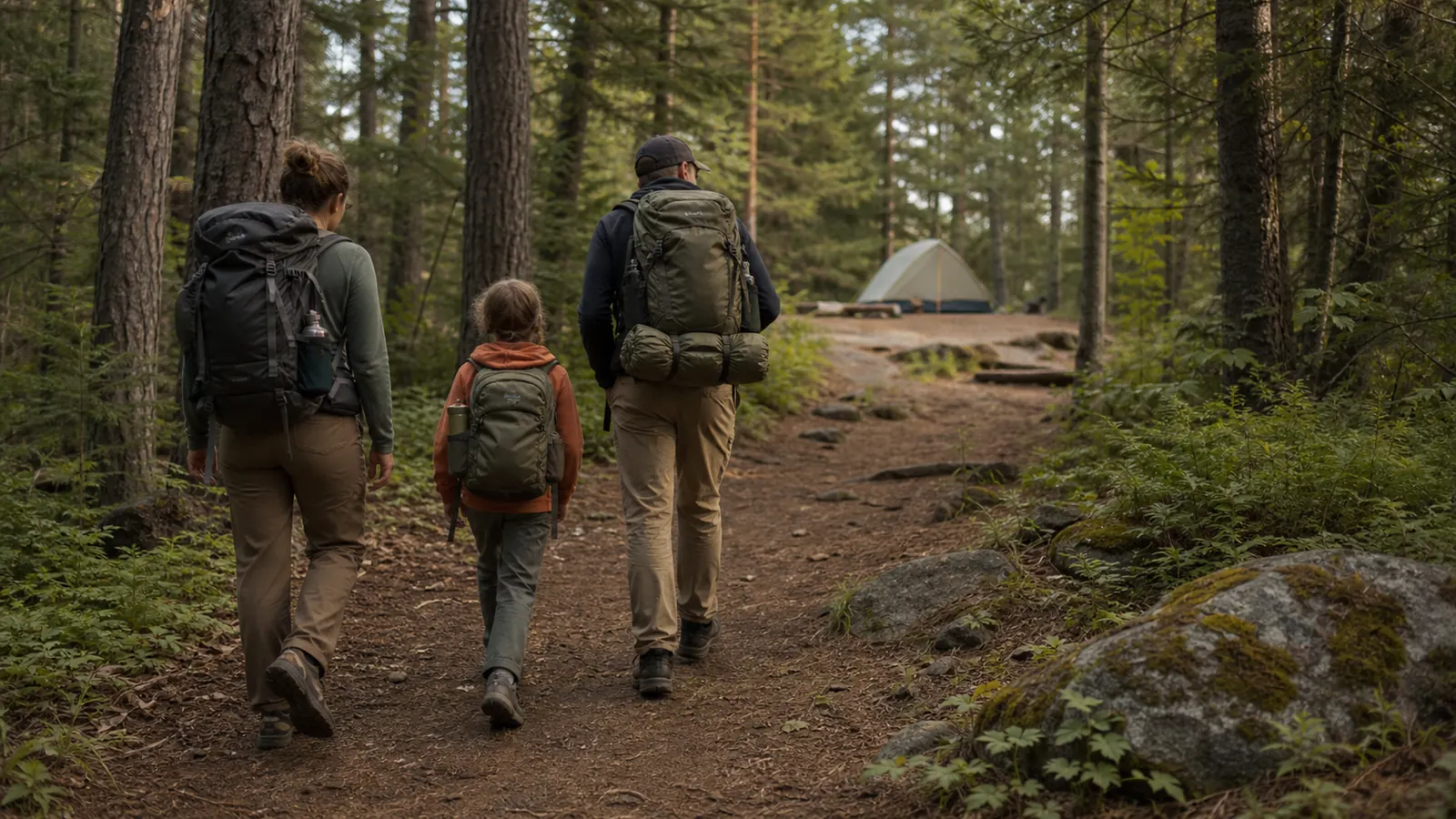
Size the first family overnight around repeatable child capacity, adult load reserve, a familiar camp routine, and a morning exit decision.
Read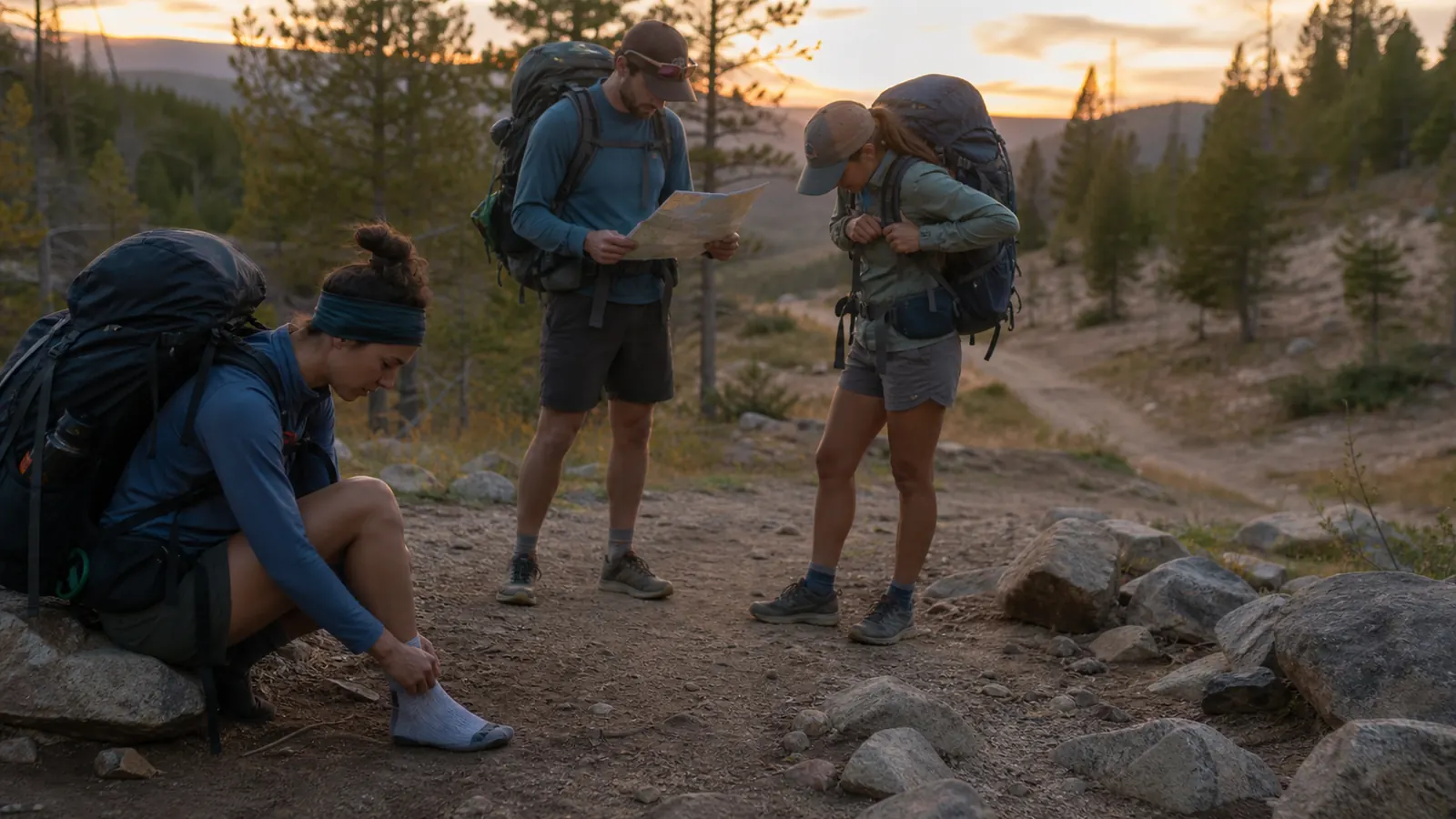
Trace late camp, water, pack, foot, and wet-gear failures back to the first decision that removed the group's margin.
Read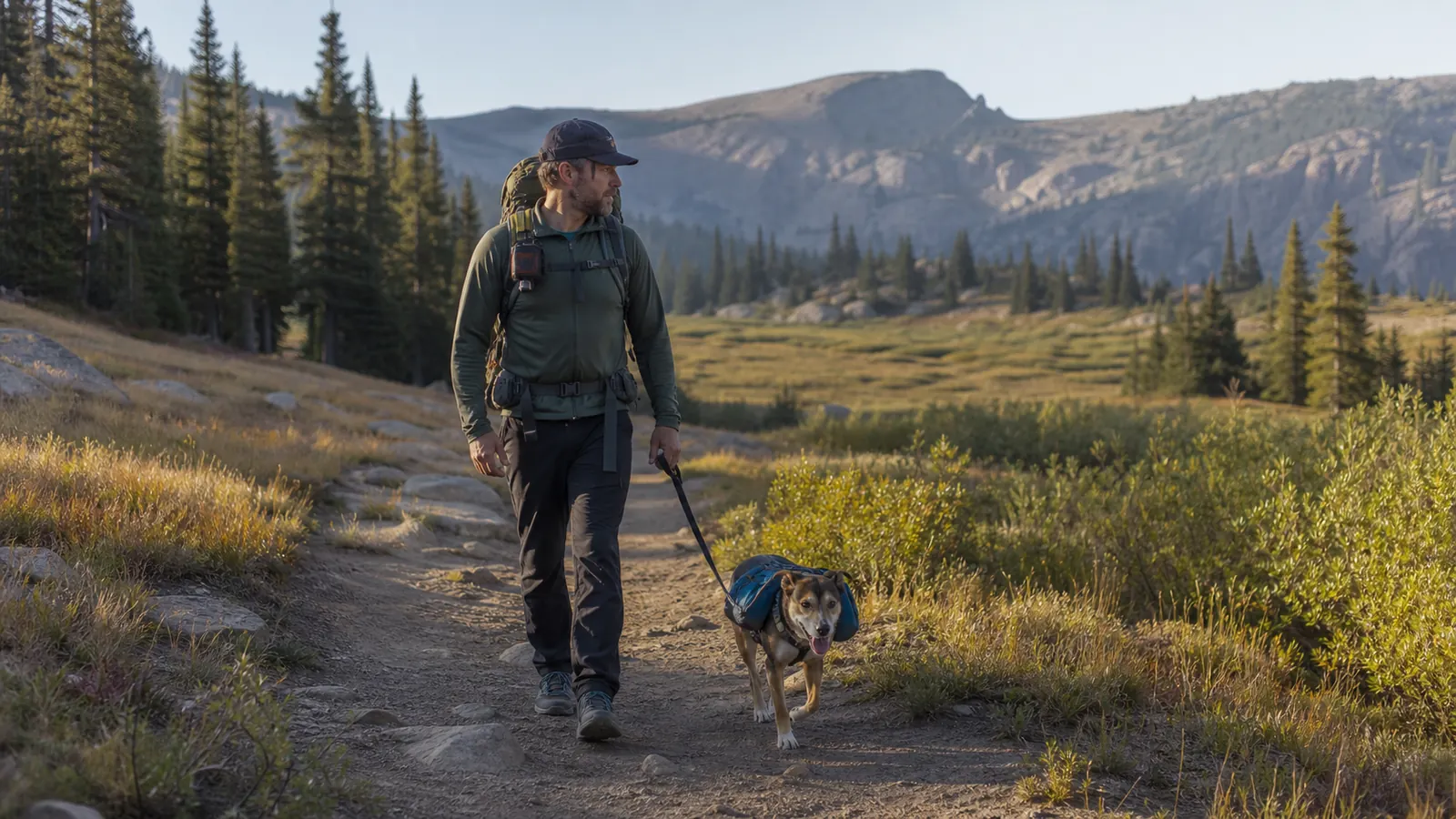
Verify every dog rule, prove overnight recovery, protect paws and water, and test a carry-out that fits the actual dog.
Read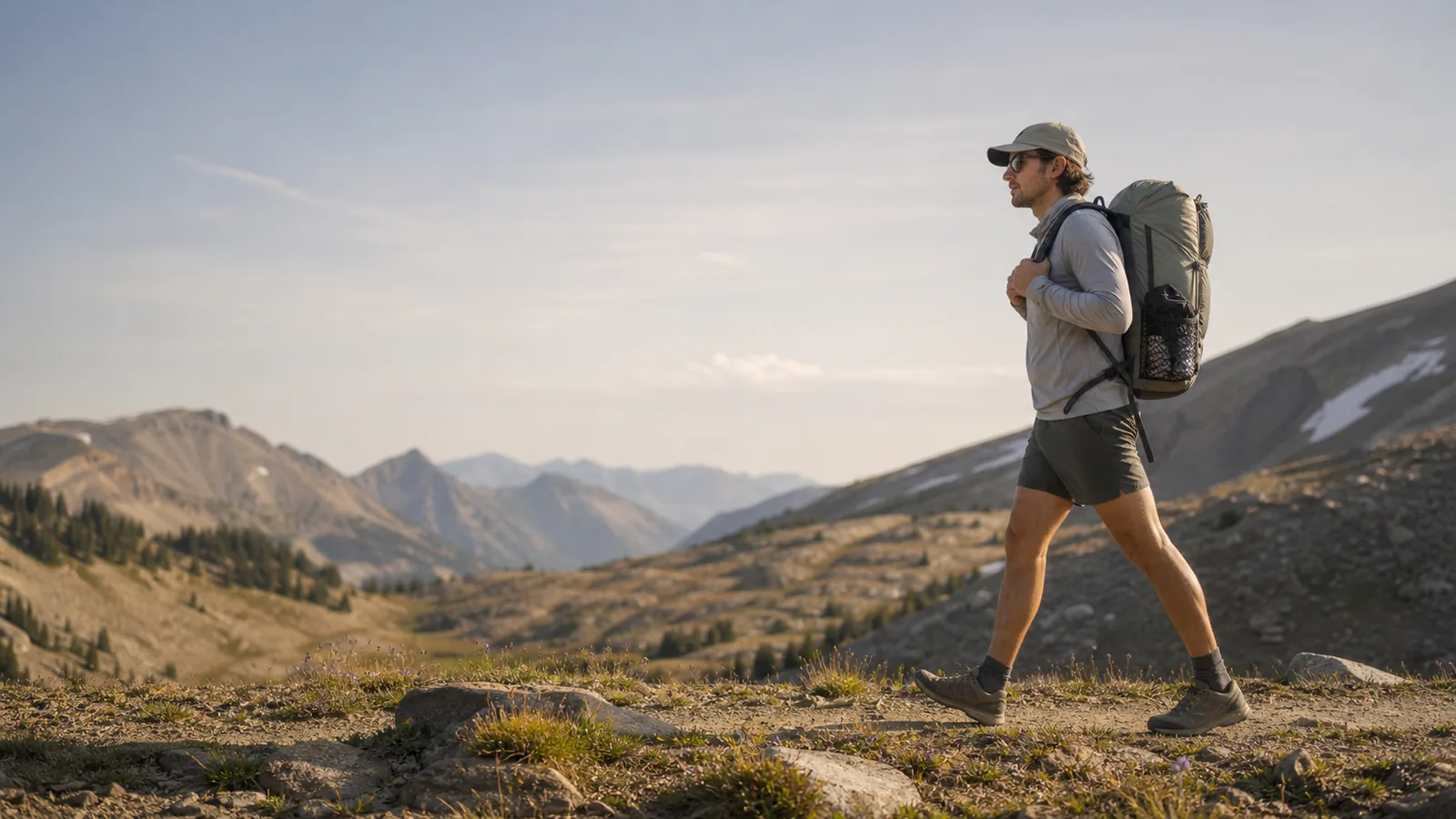
Measure the full load, remove unused overlap, compare the heaviest systems, preserve independent backups, and test each reduction before relying on it.
Read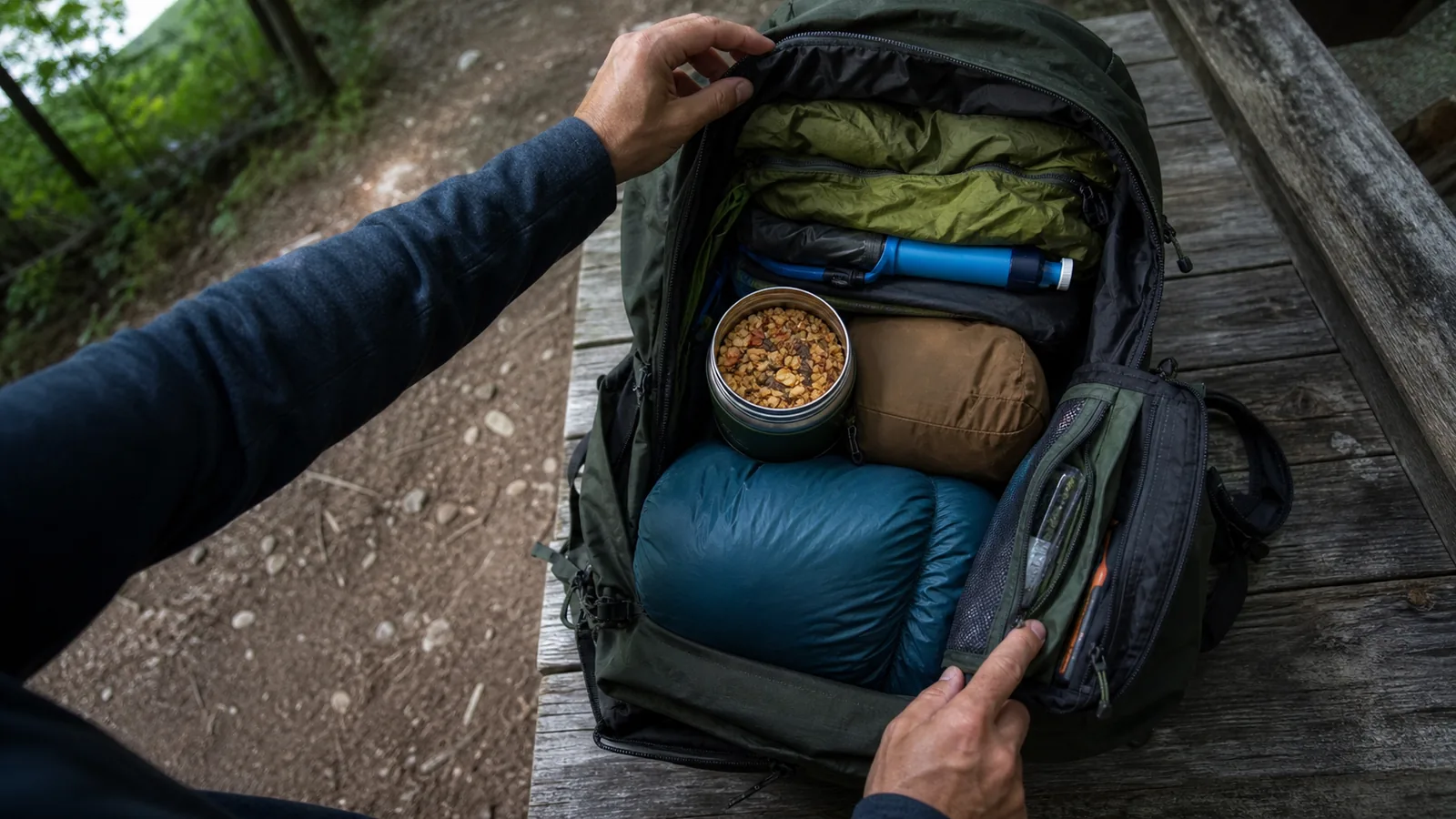
Protect the dry core, place dense weight near the spine, keep trail needs reachable, contain awkward items, and diagnose the result on a loaded walk.
Read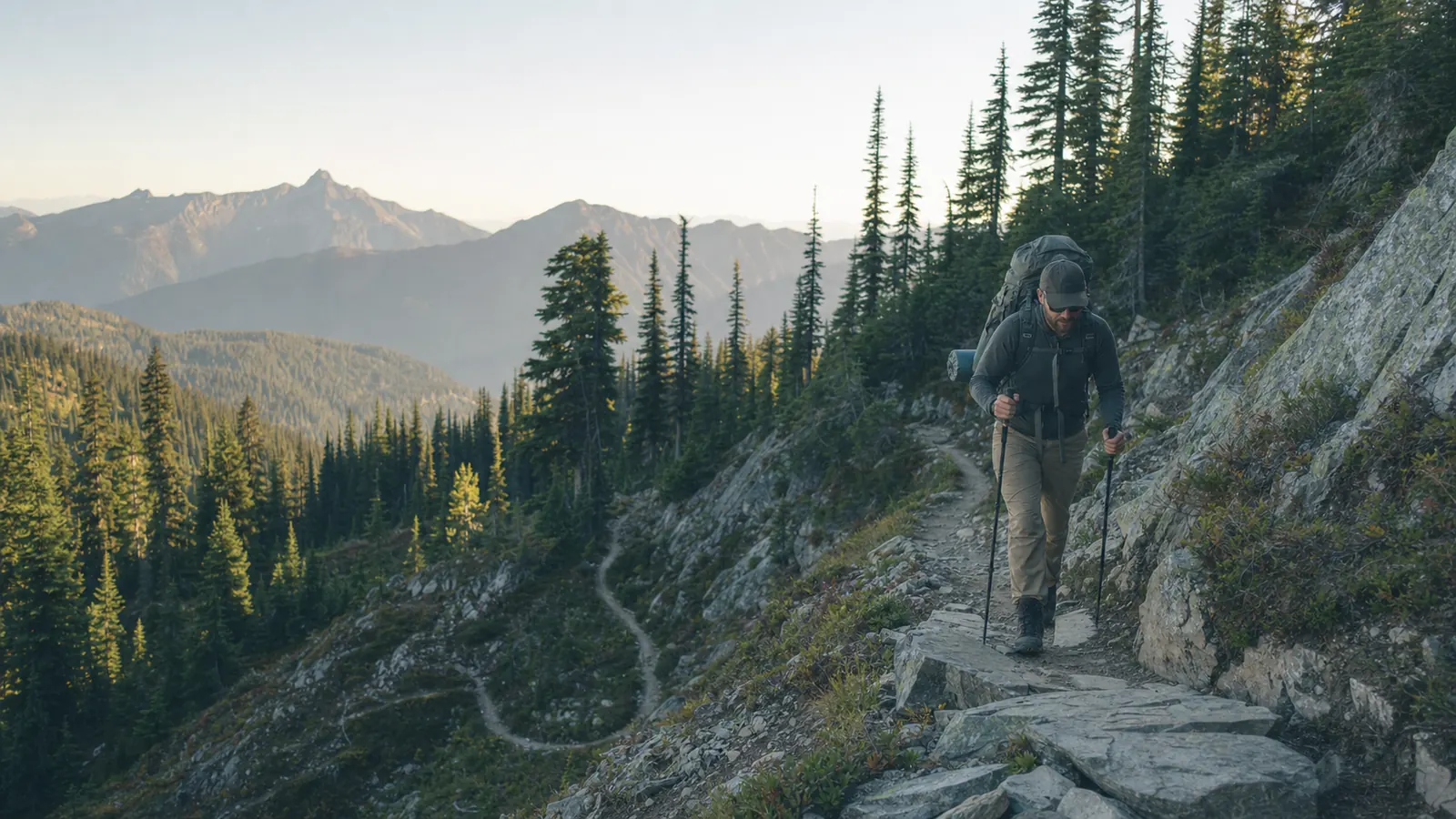
Backpacking trains sustained aerobic work, loaded movement, balance, and muscular endurance, but the route and recovery decide whether the dose is useful.
Read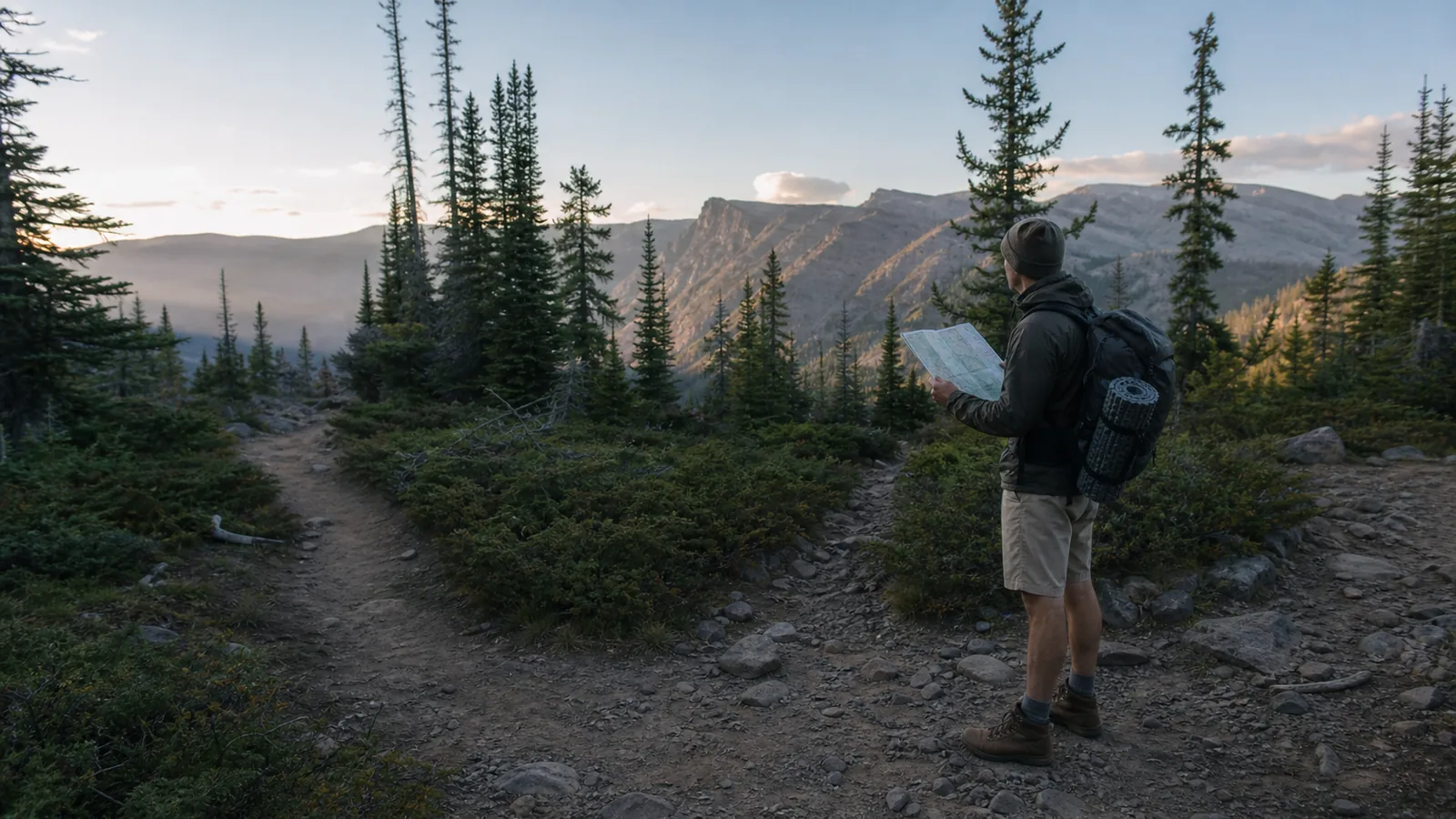
Choose a forgiving first overnight, navigate without one device, protect essential functions, and give a trusted contact an overdue response they can use.
Read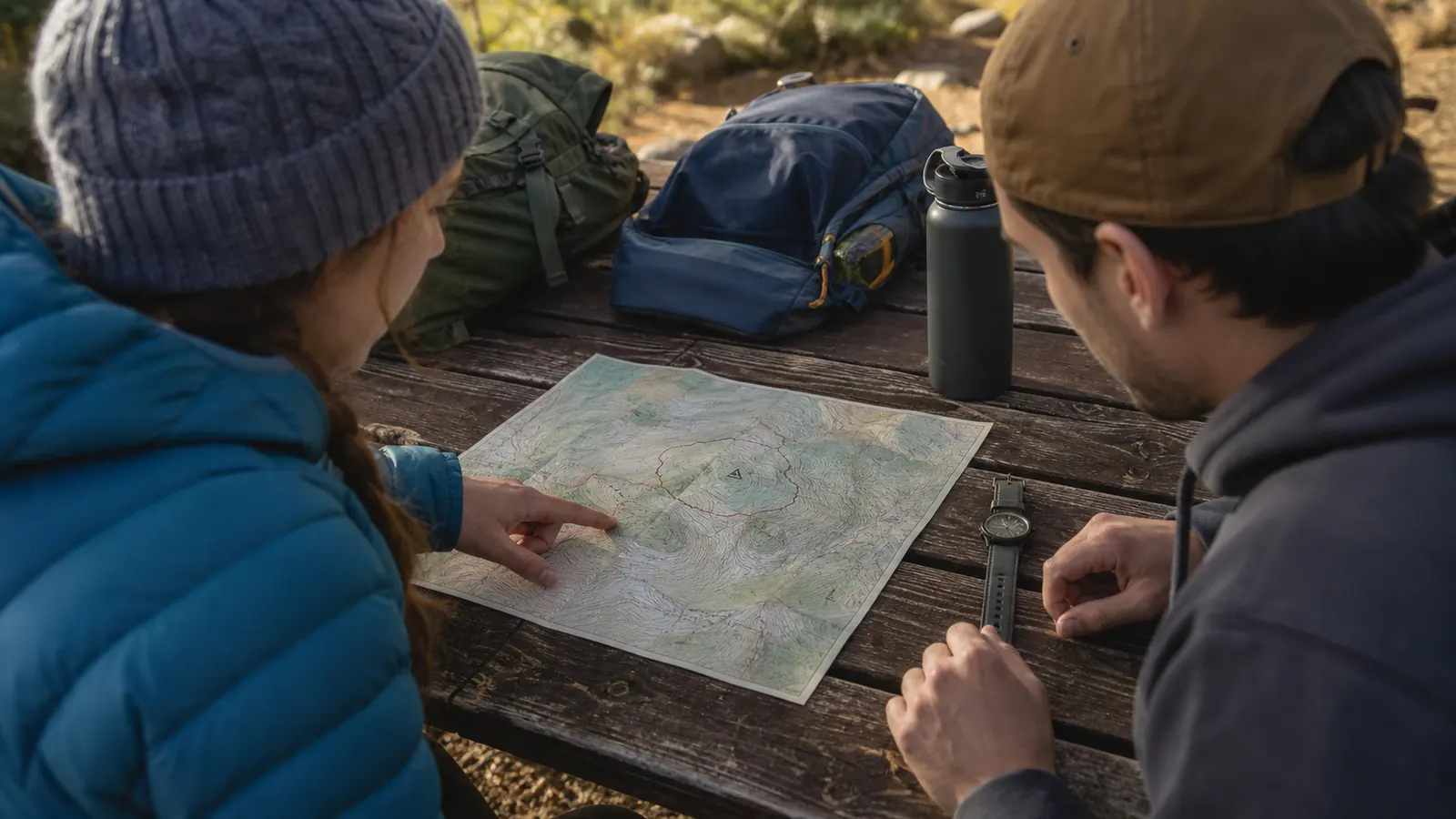
Choose a forgiving one-night route, verify the camp and water, budget daylight backward, and set exits before the pack is closed.
Read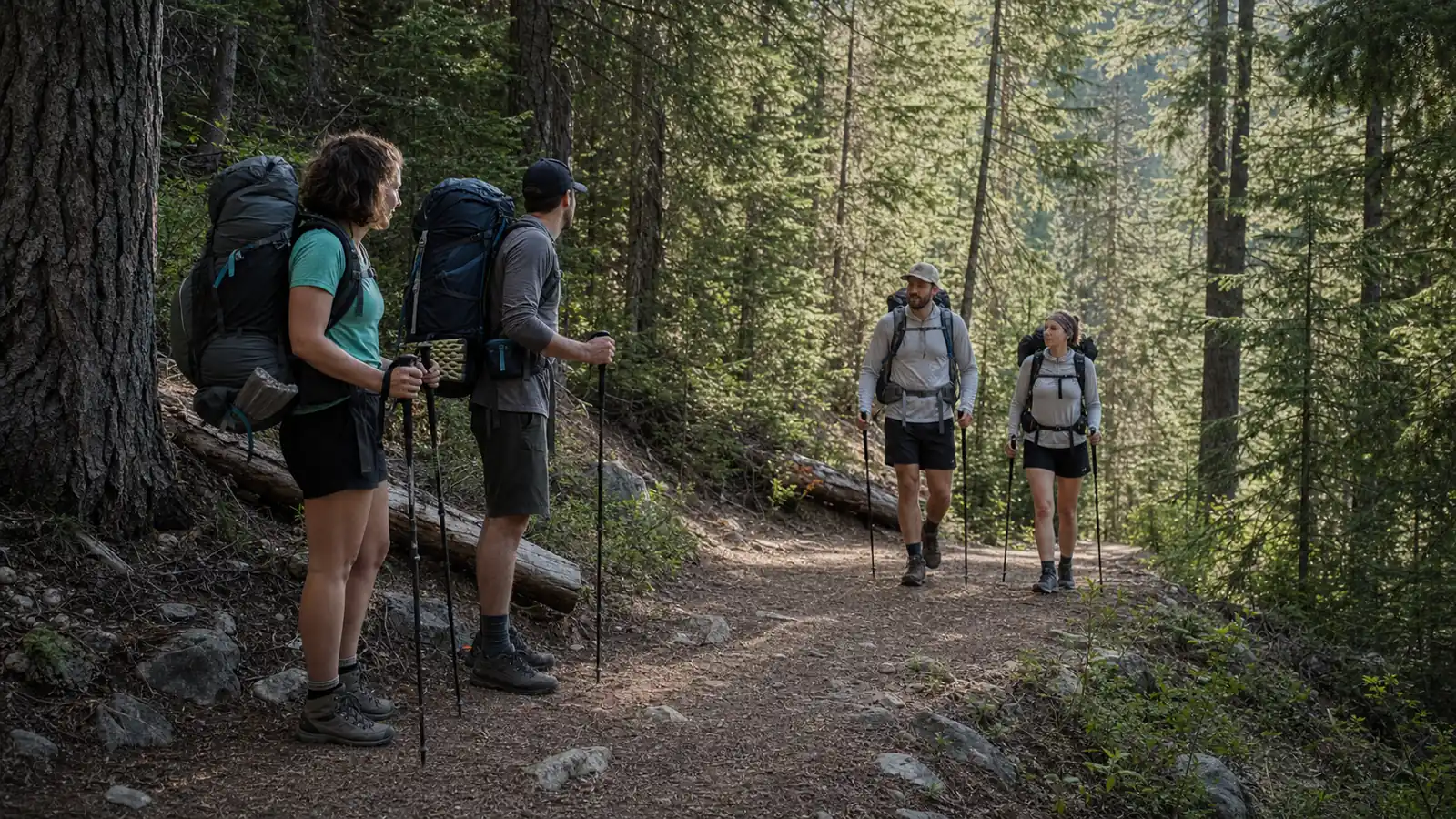
Yield, pass, rest, collect water, manage dogs, store food, and leave camp without transferring risk or impact to the next person.
Read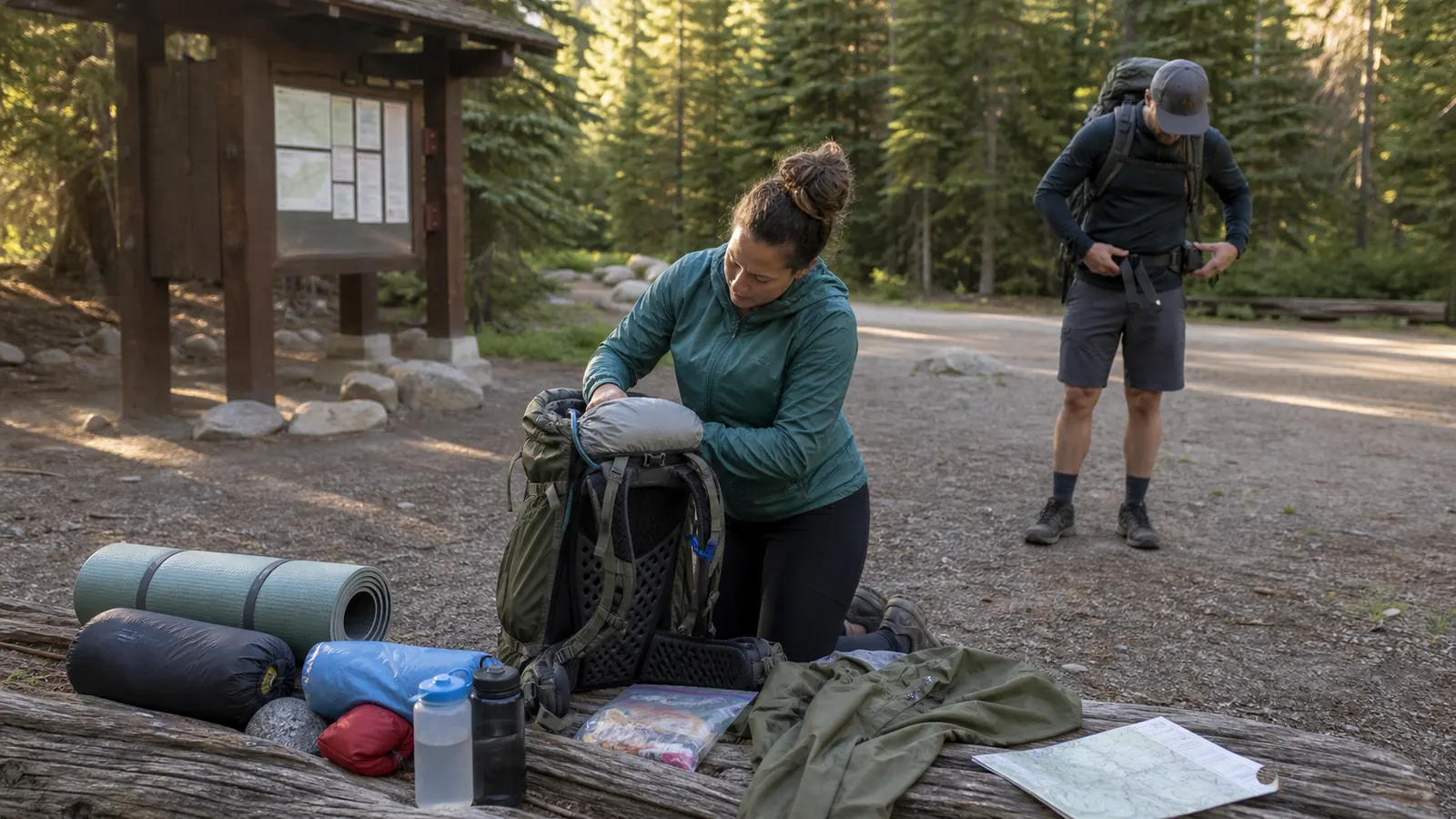
Build the load from route conditions, overnight systems, consumables, and a carried test instead of copying a universal checklist.
ReadNo guides at this level yet.
The skills, gear, safety, and planning that make every backpacking trip work.