
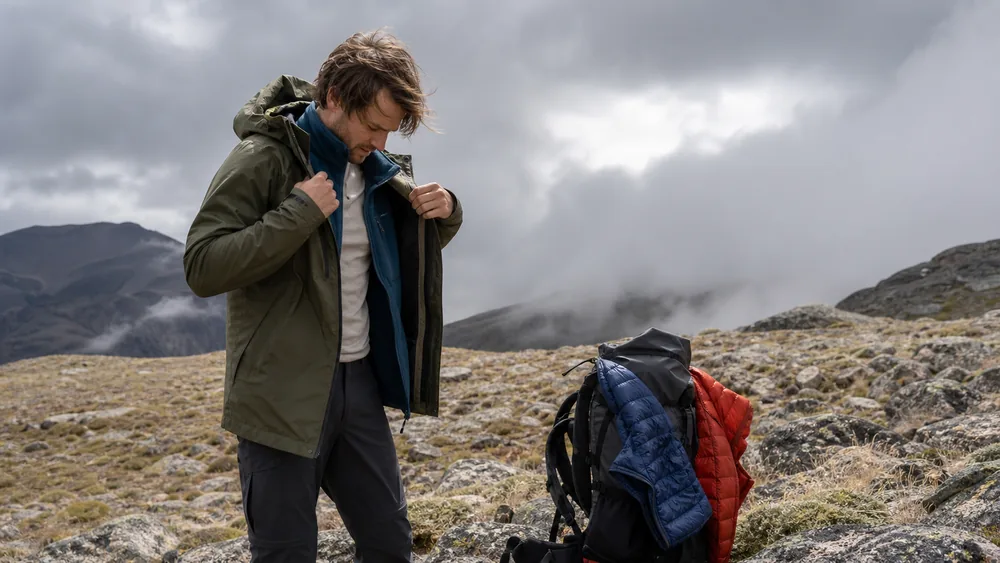
Moderate
A High-Altitude Layering System That Changes With the Day
Dress for repeated transitions between hard climbing, exposed stops, cold wind, strong sun, and camp.
Read
Trekking is hiking that runs across several days, usually in remote country. Learn how to prepare your body, plan resupply, and manage risk over a longer trip.
Each one is field-tested and, where safety is involved, checked by a qualified responder.
Dress for repeated transitions between hard climbing, exposed stops, cold wind, strong sun, and camp.
Read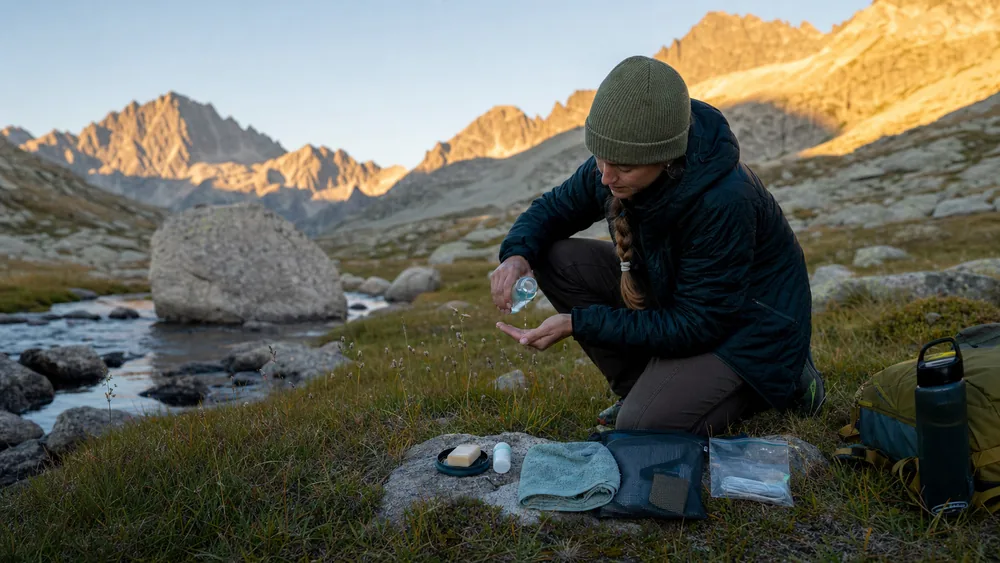
Spend limited clean water and effort on the habits that prevent illness and skin damage first.
Read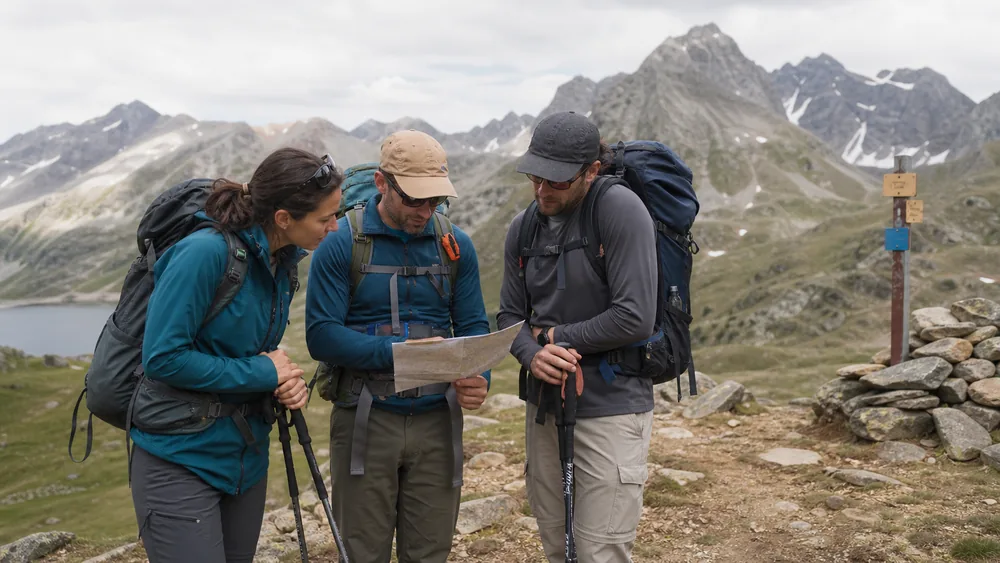
Treat the itinerary as a set of safe options, then use what actually happens on the trail to choose each day.
Read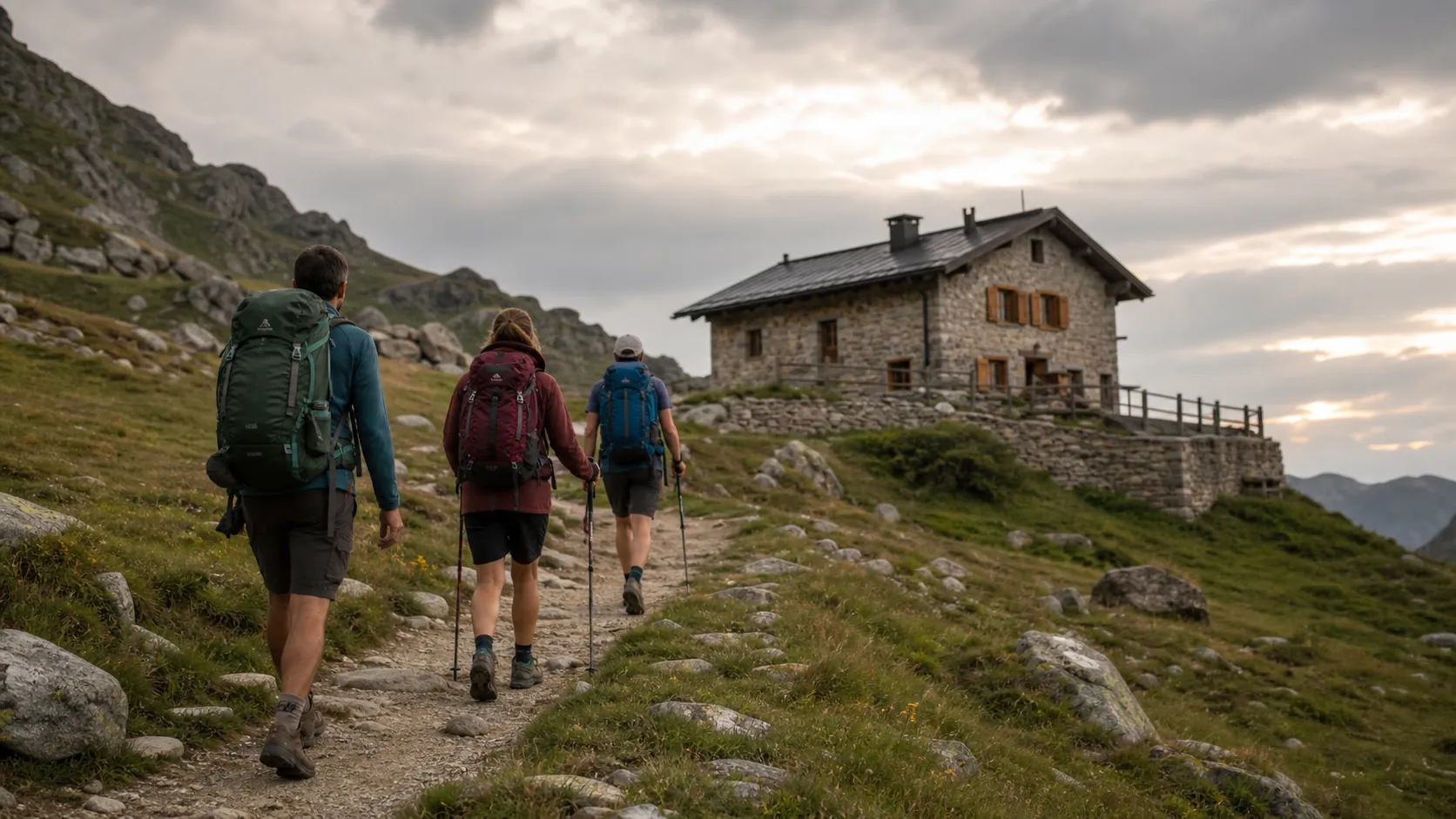
Link verified overnight stops with walking days your group can repeat, then give every booking a safe alternative.
Read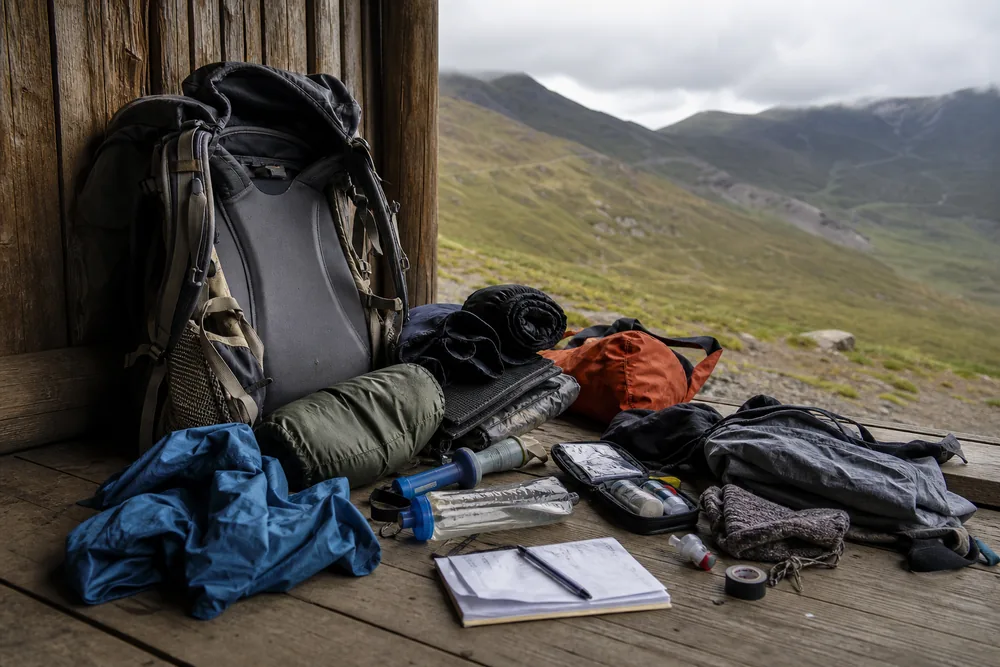
Spot the planning, packing, pacing, and recovery mistakes that make multi-day trekking harder than it needs to be.
Read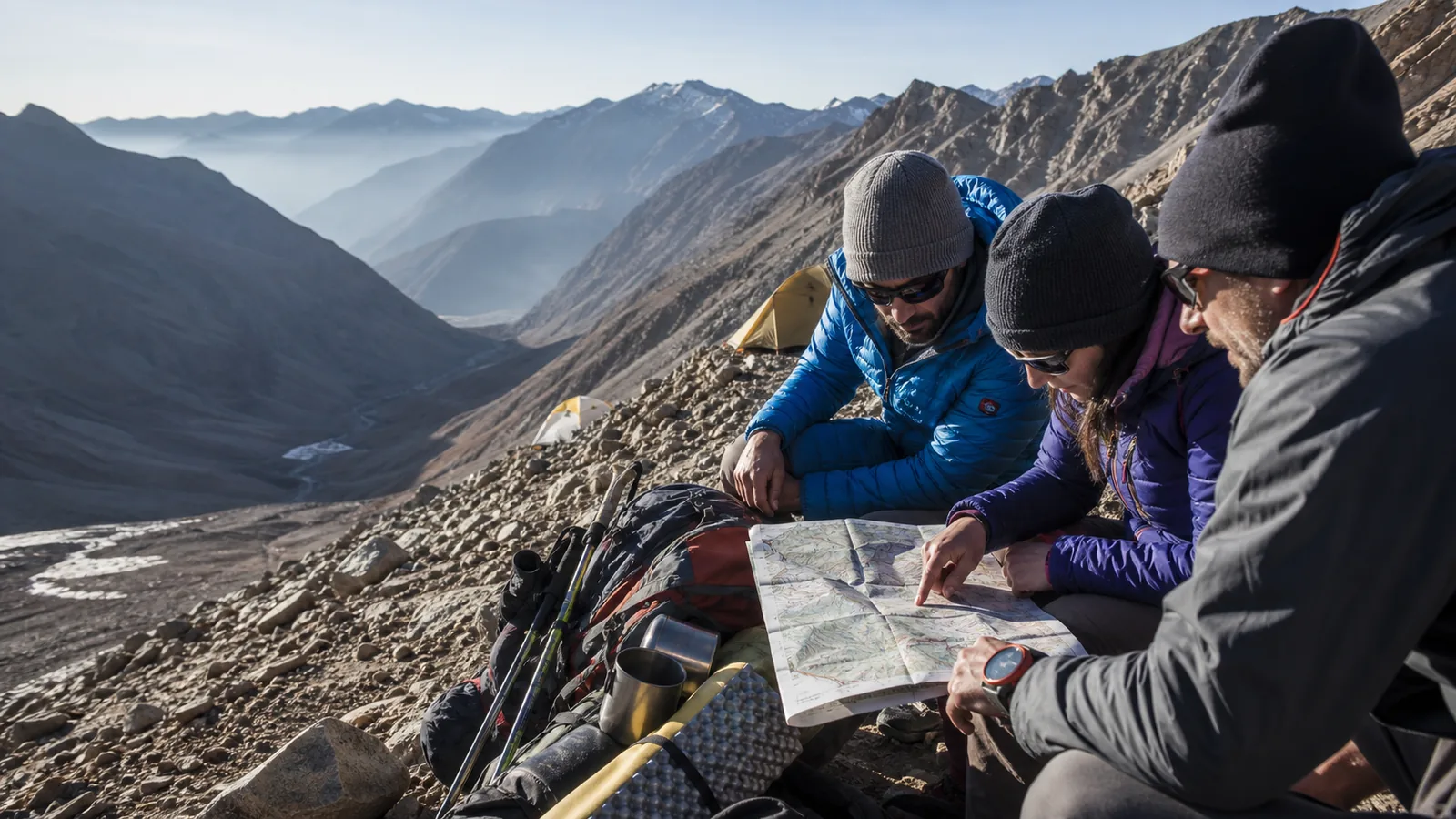
Control sleeping-elevation gains, add acclimatization time, check symptoms, and keep a lower exit open.
Read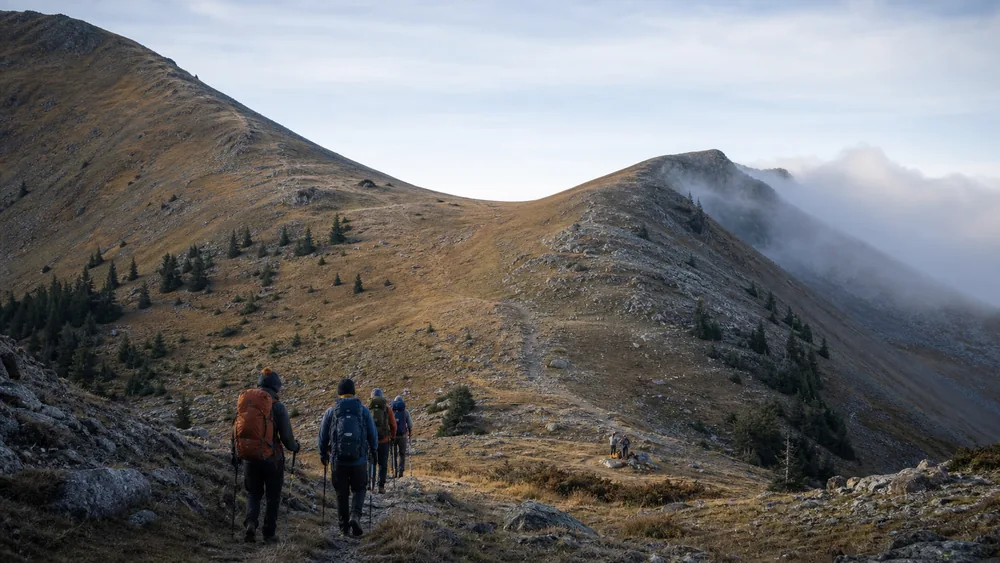
Treat the pass as a timed crossing with two sides, changing surfaces, and a firm point for turning back.
Read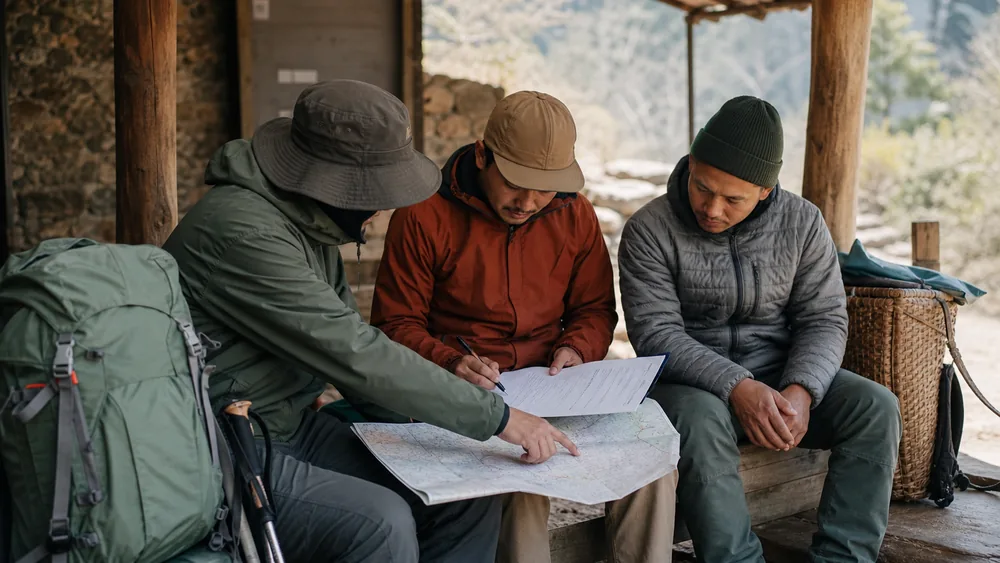
Define the work first, then verify the person, the employer, and the protections behind the offer.
Read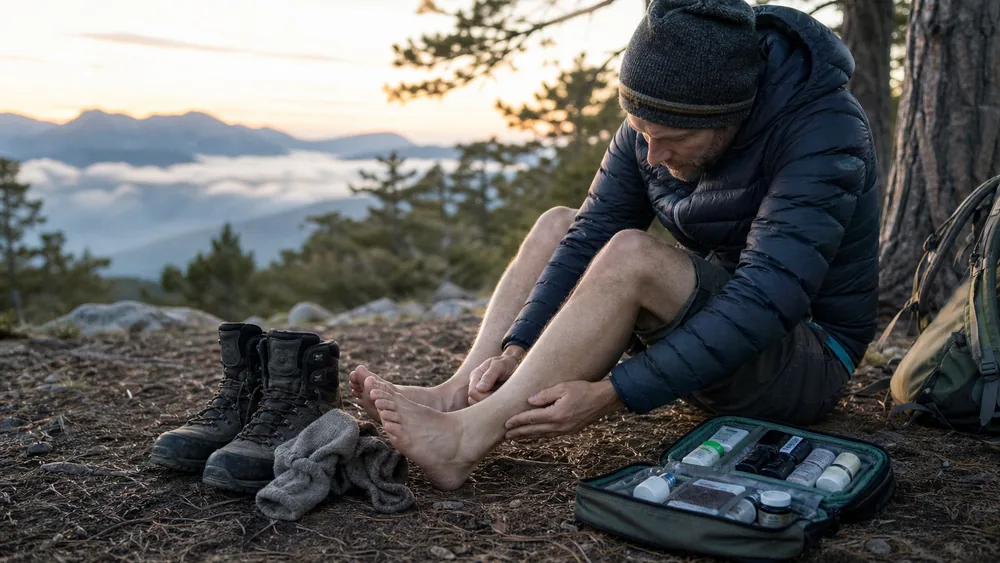
Treat foot care as a morning, trail, and evening routine before small irritation changes the whole itinerary.
Read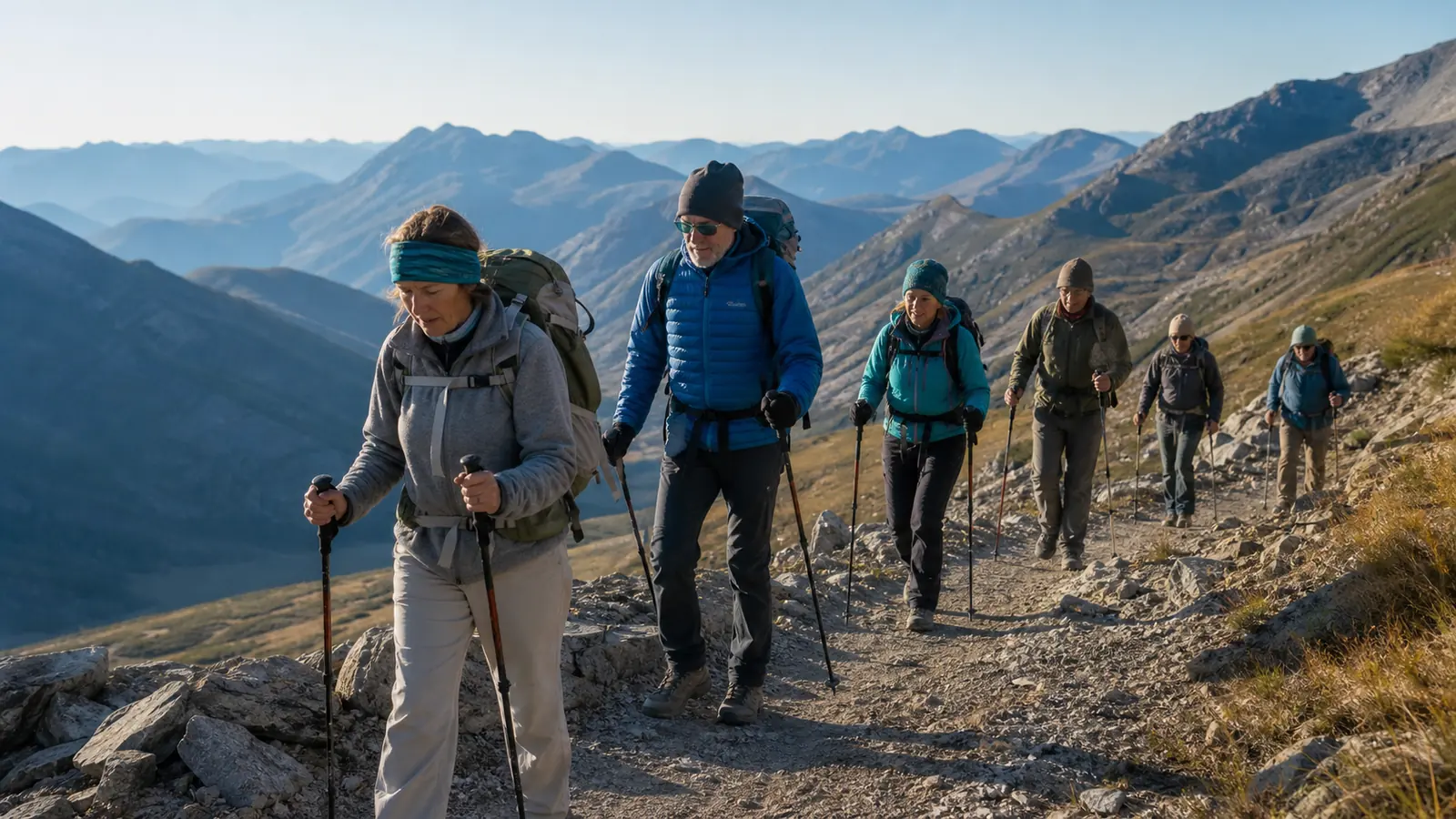
Use conversation, short steps, fair breaks, terrain adjustments, and a return-based turnaround to control effort.
Read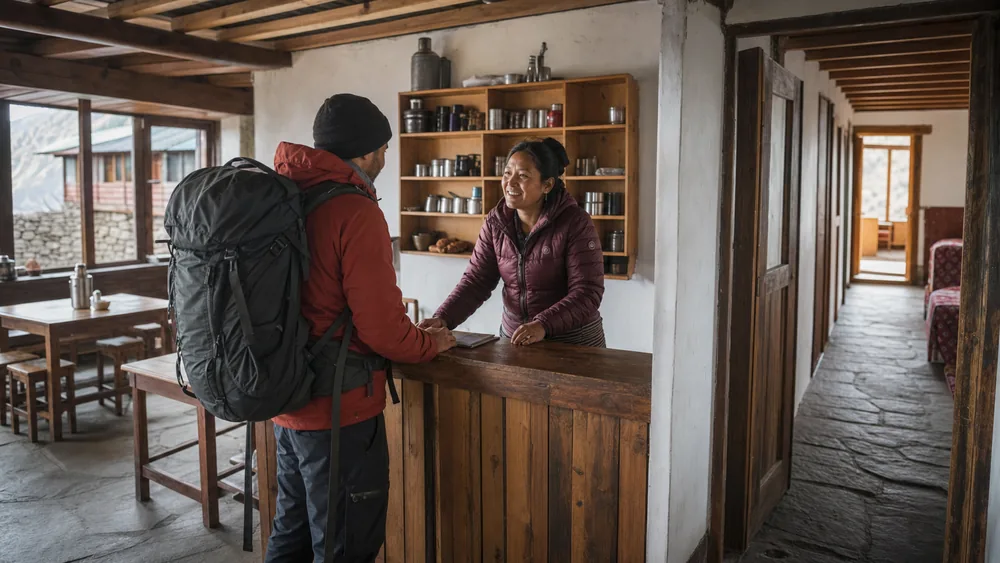
Build the trip around the route rules, sleeping altitude, and the services each overnight stop can actually provide.
Read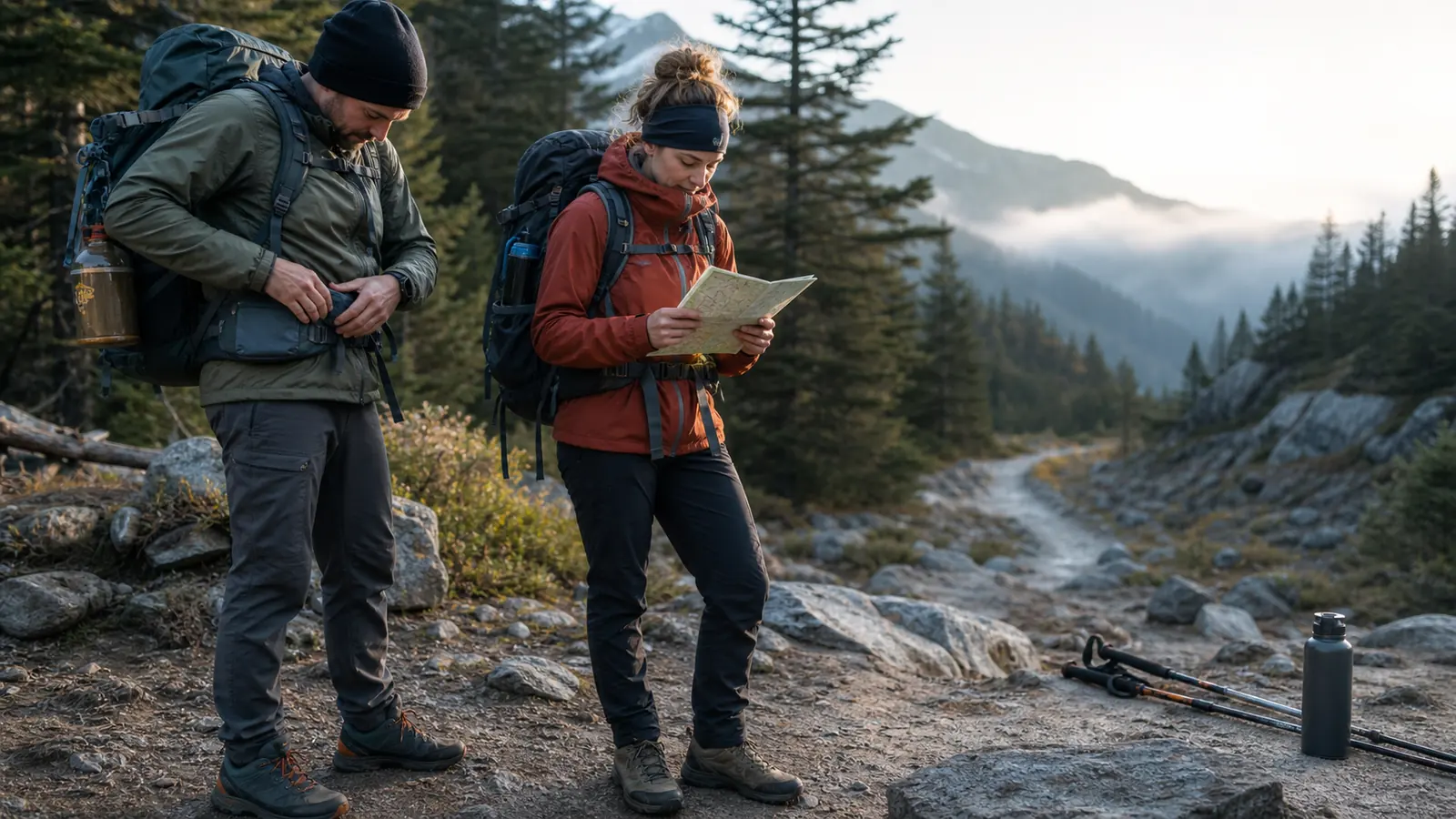
Build a route, body, pack, and camp routine that can still work after the first overnight.
Read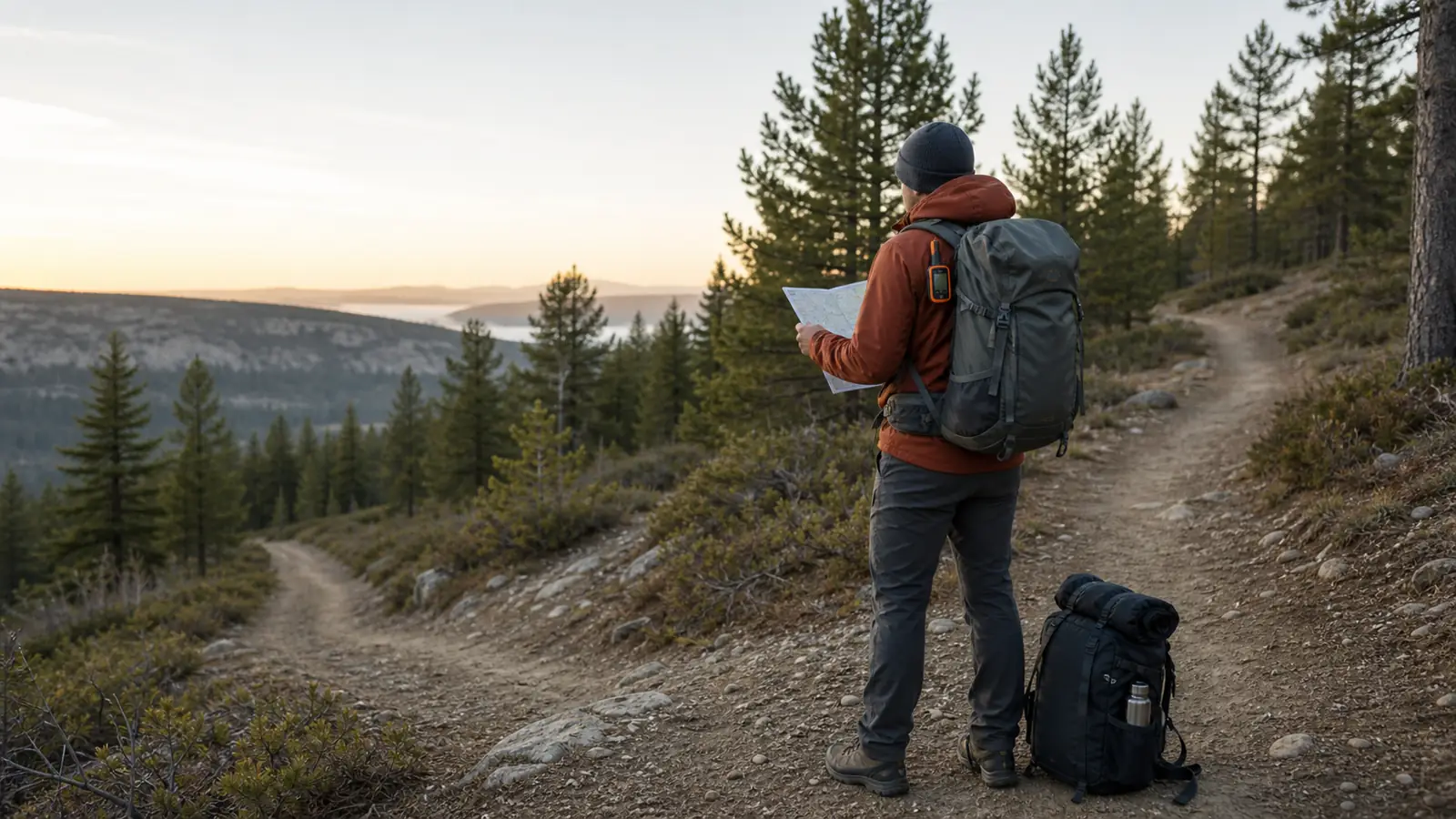
Prove the second morning, set exact check-ins, and choose exits you can reach without partner help.
Read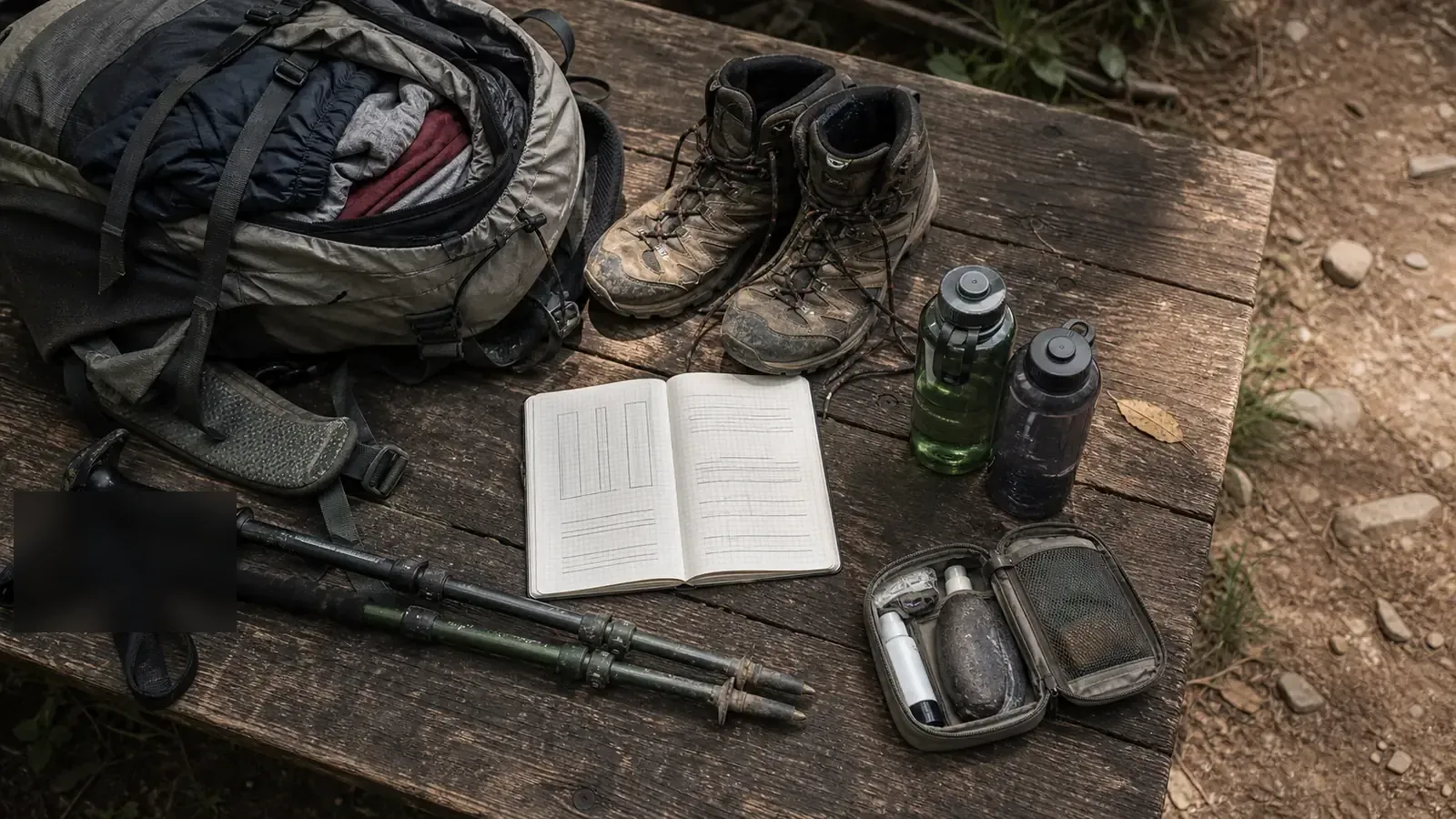
Trekking can build endurance, leg strength, balance, and mental stamina when the load and recovery match your body.
Read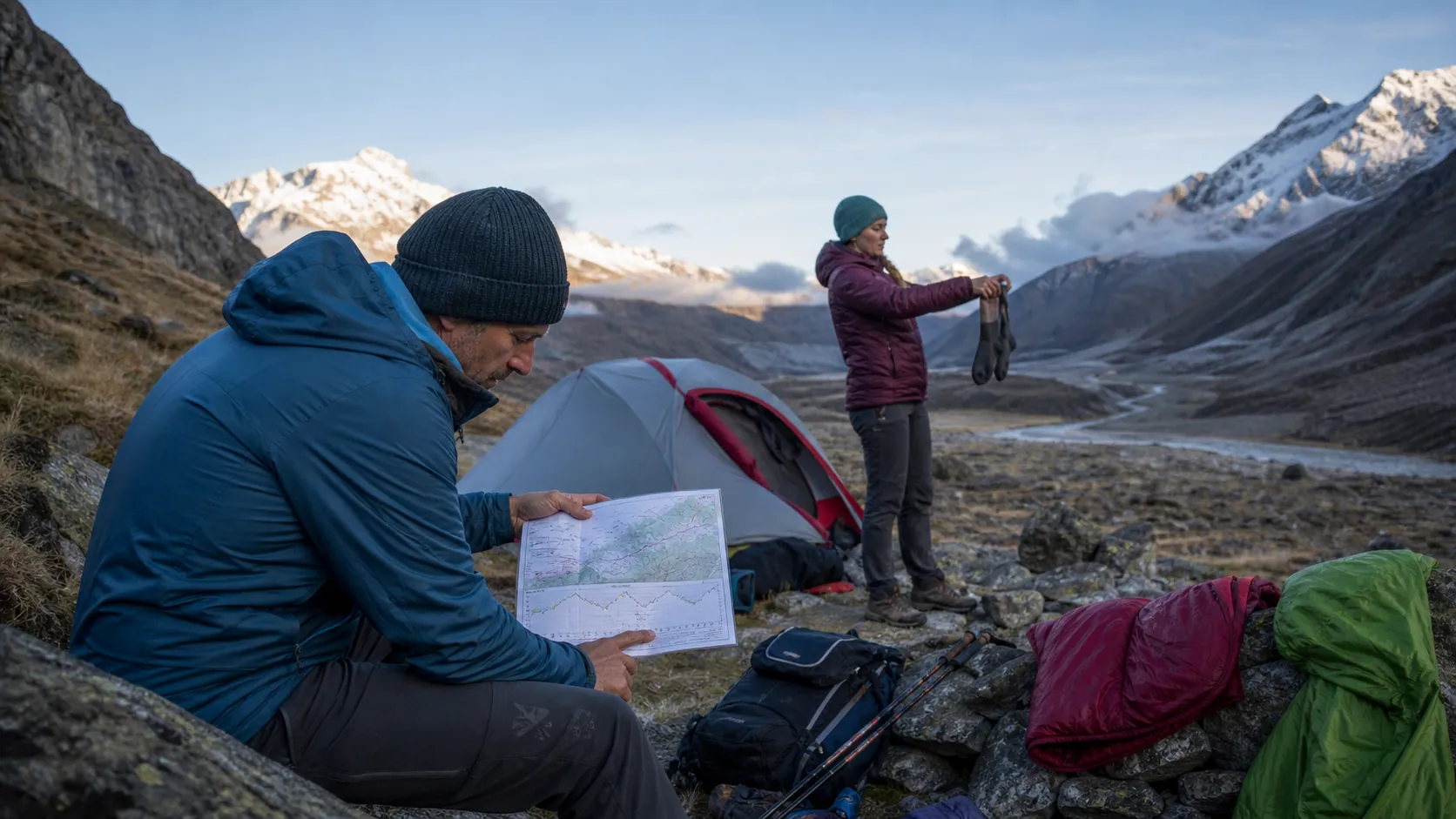
Put low-load days where they protect the hardest stages instead of spacing them by habit.
Read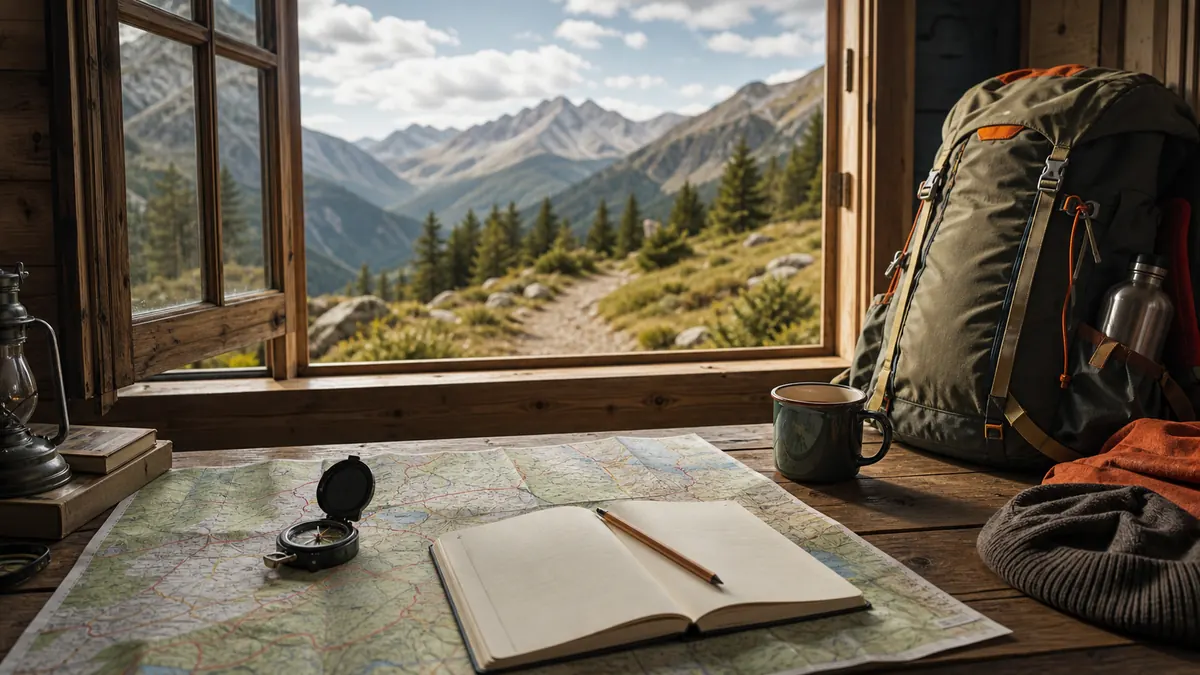
Plan your first trekking trip by choosing a short recoverable route, checking daily effort, water, sleep, weather, exits, packing, and communication.
Read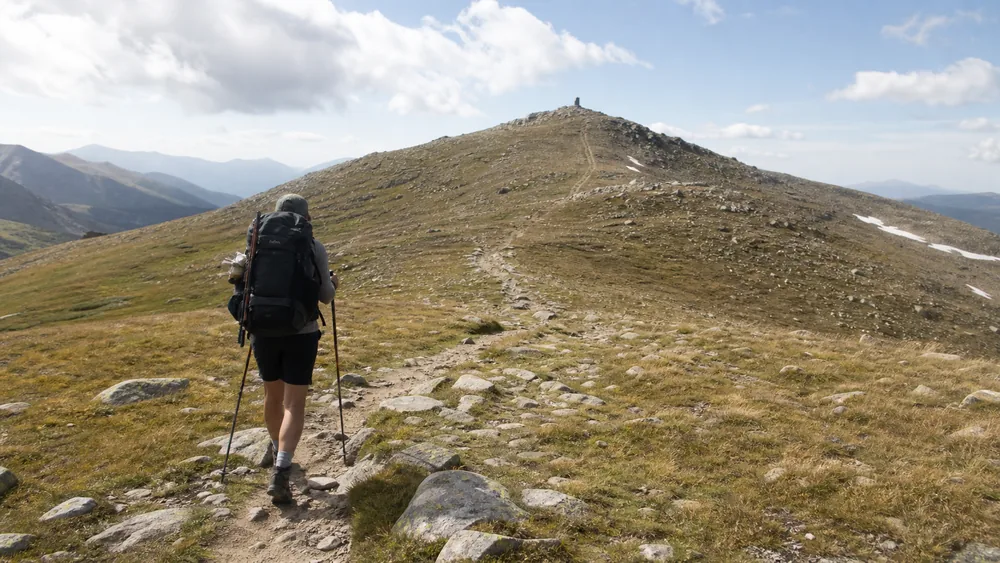
Make the next safe action small enough to start, while keeping illness and injury outside the motivation problem.
Read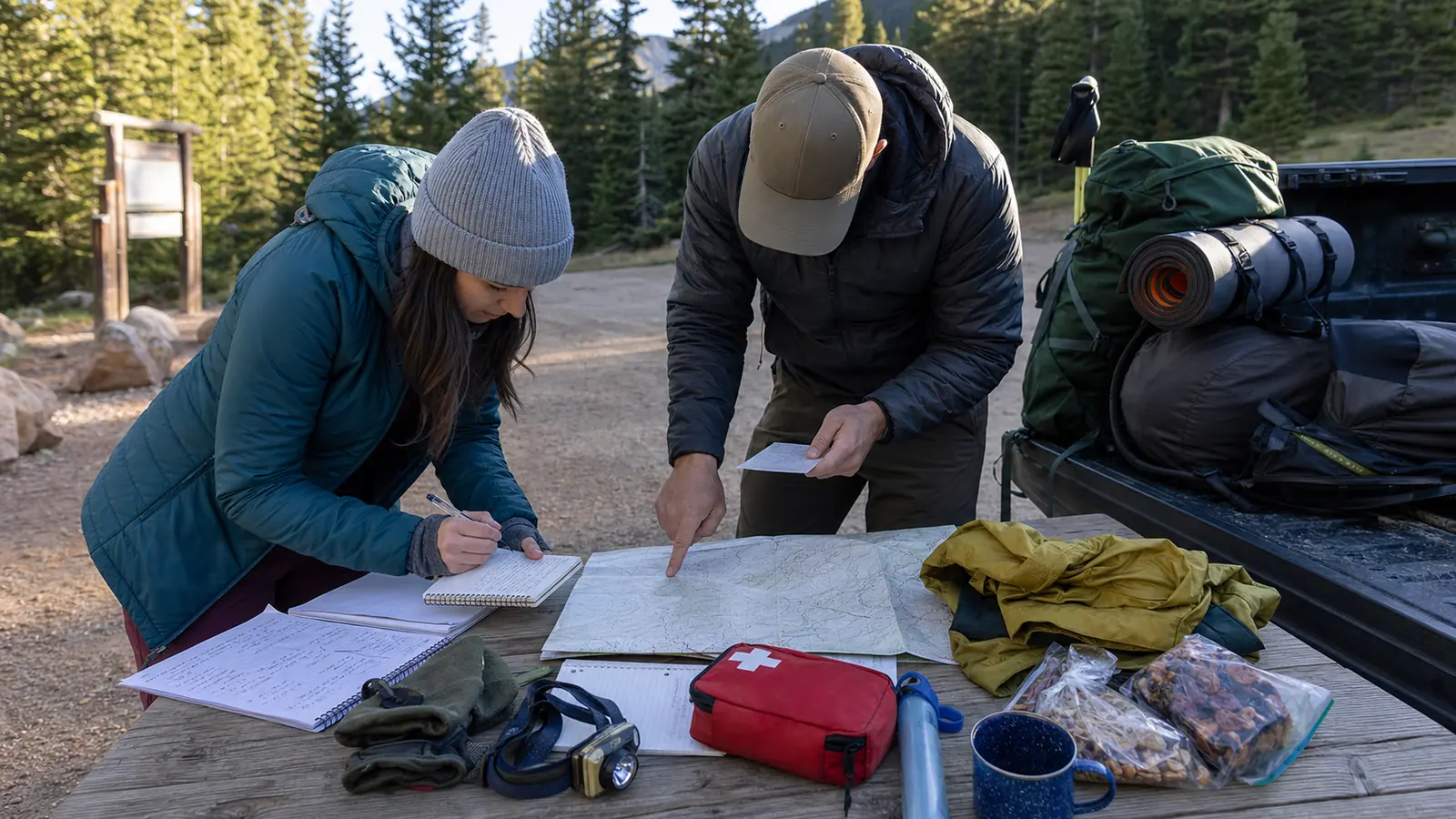
Keep a trek safer by protecting the margins that disappear first: daylight, weather, water, food, navigation, camp setup, and exit options.
Read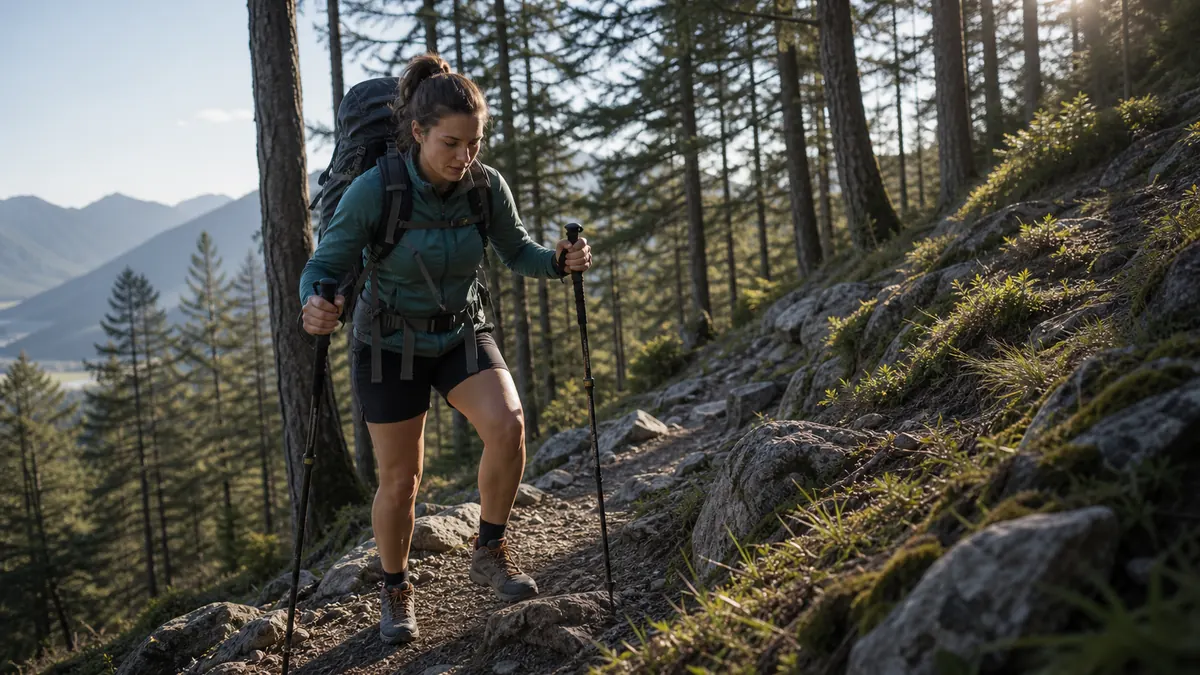
Train for trekking by building repeatable walking hours, loaded-pack strength, downhill control, foot durability, and recovery across back-to-back days.
Read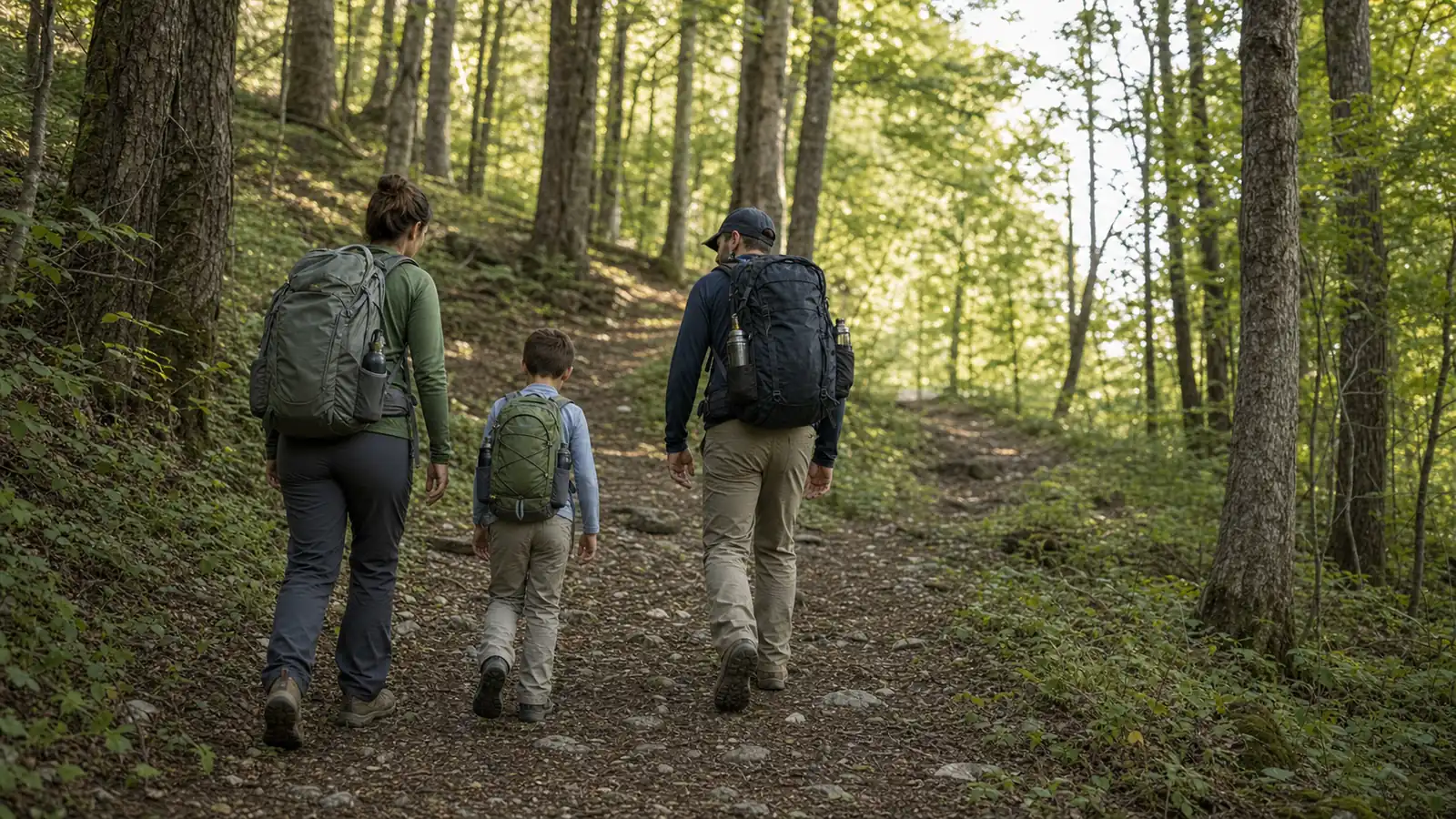
Plan a child's first trek around overnight readiness, short adjustable segments, adult load reserve, simple camp recovery, and an exit after each night.
Read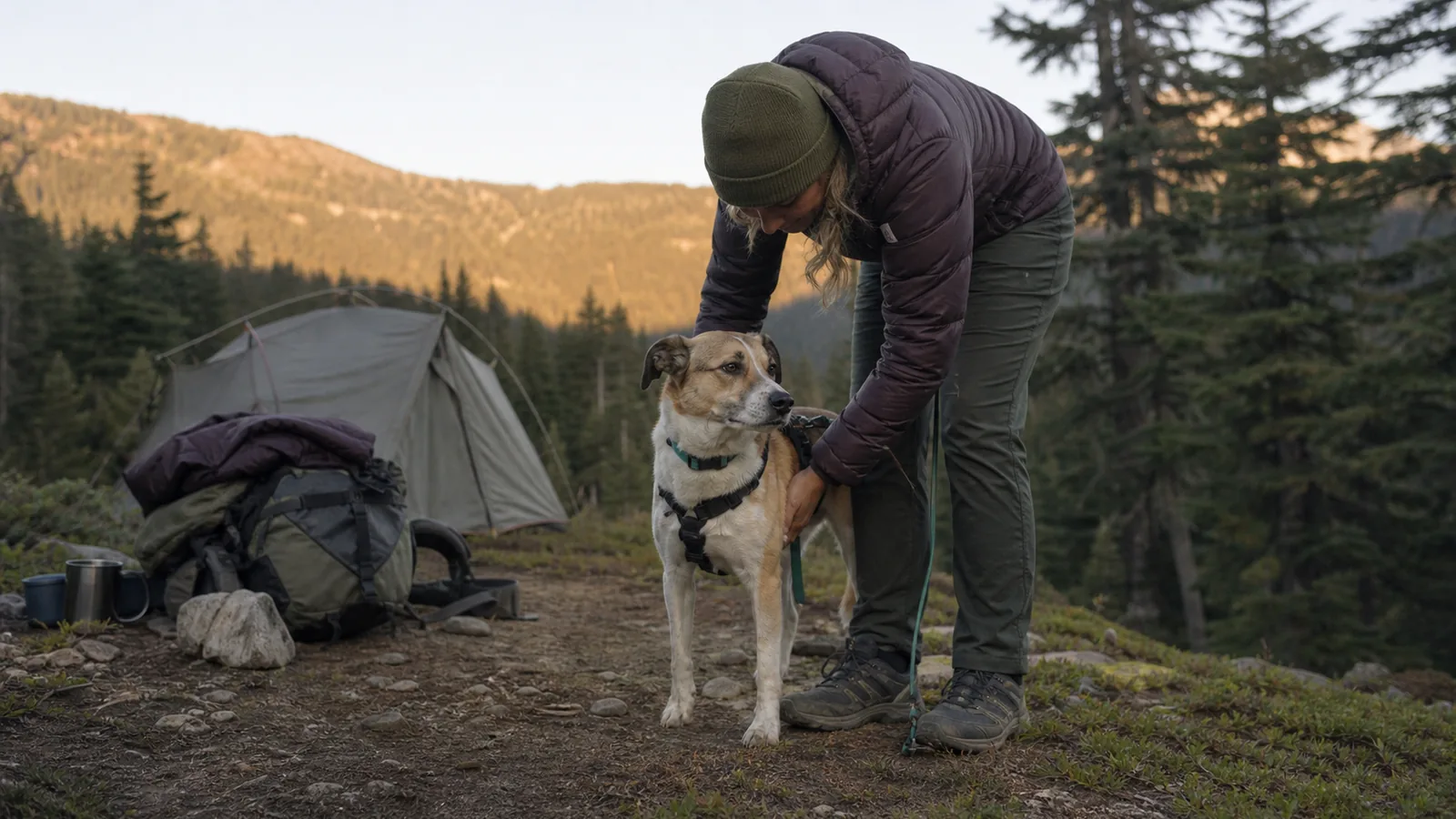
Prove repeated-day readiness, protect human load reserve, and plan every camp and exit around the dog.
Read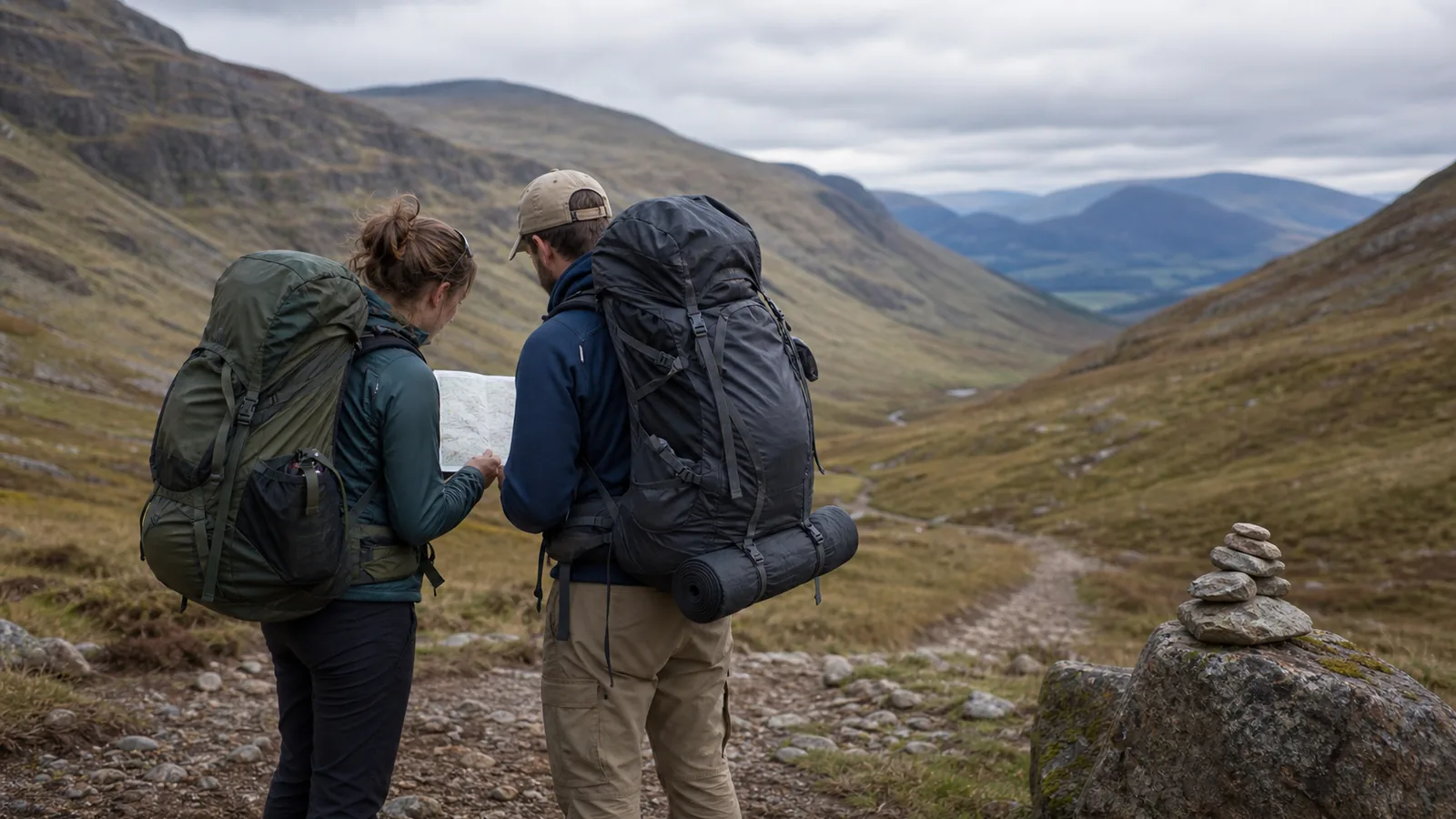
Start trekking with a shorter multi-day route, realistic pack weight, steady pacing, and a plan for food, water, weather, and exit options.
Read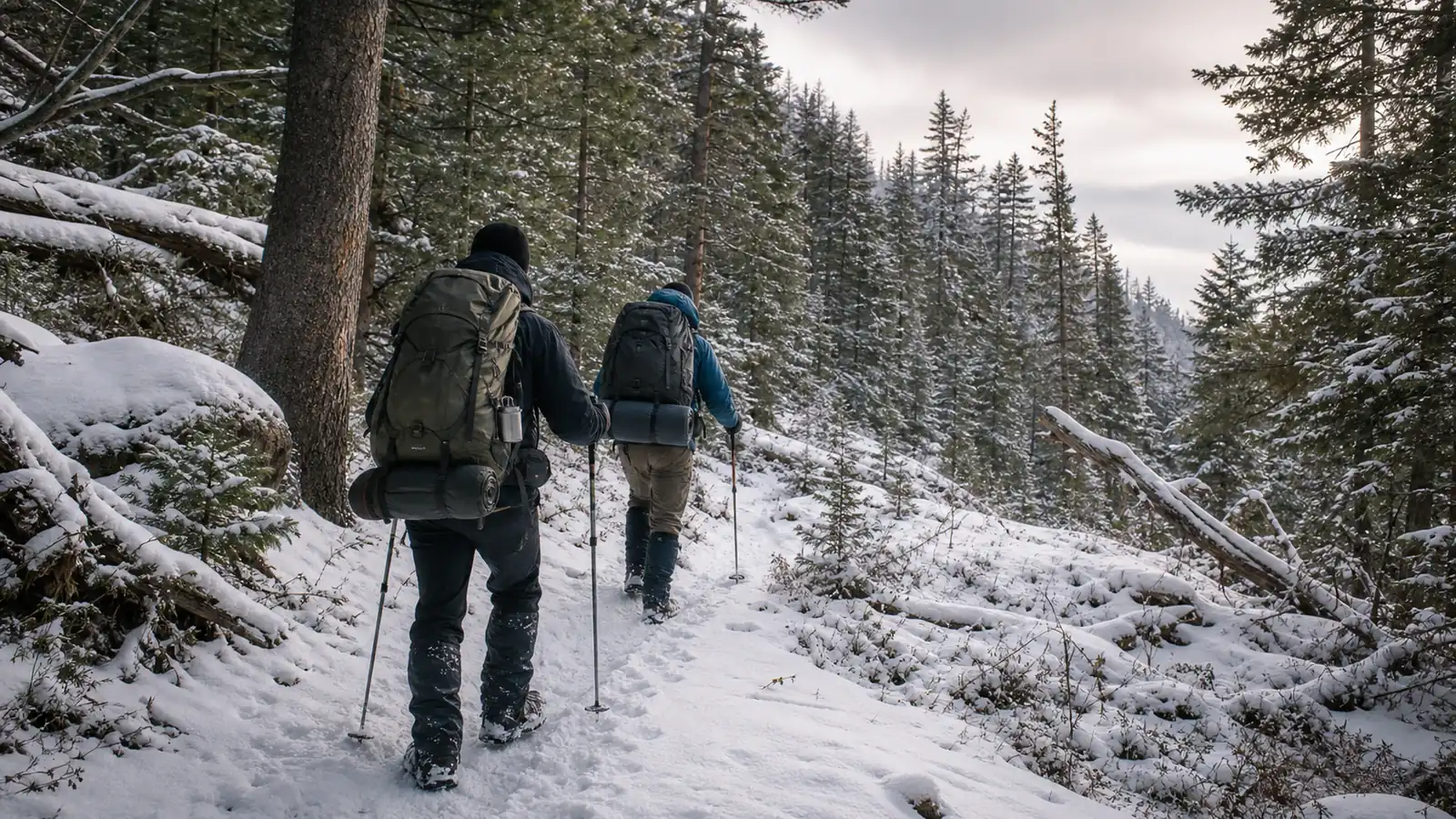
Plan a winter trek around slower snow travel, short daylight, dry sleep insulation, protected camp routines, and exits that still work after a cold night.
Read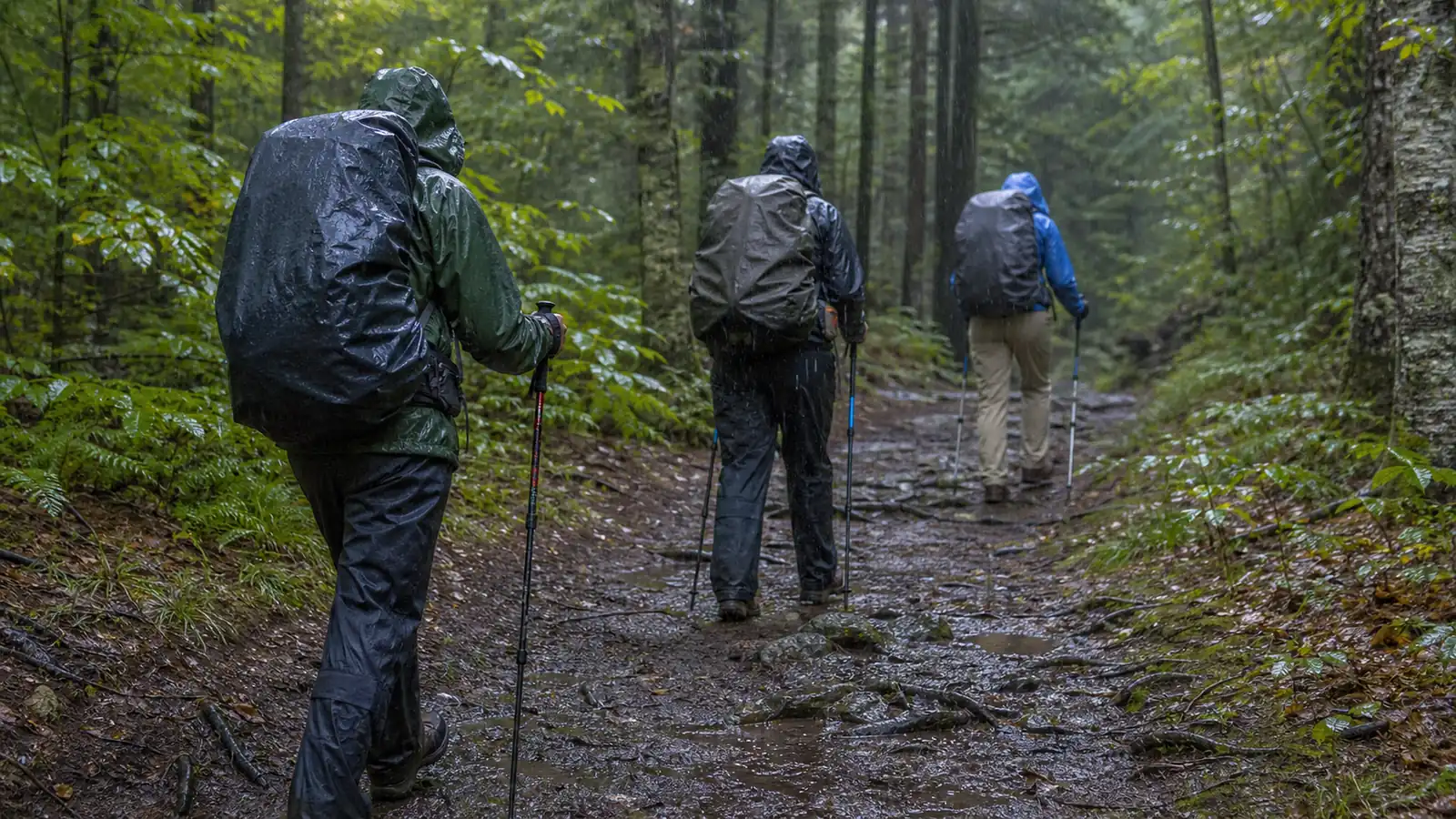
Keep a rainy multi-day trek workable by protecting one dry recovery system, moving conservatively on wet ground, and reassessing crossings, feet, and gear each morning.
Read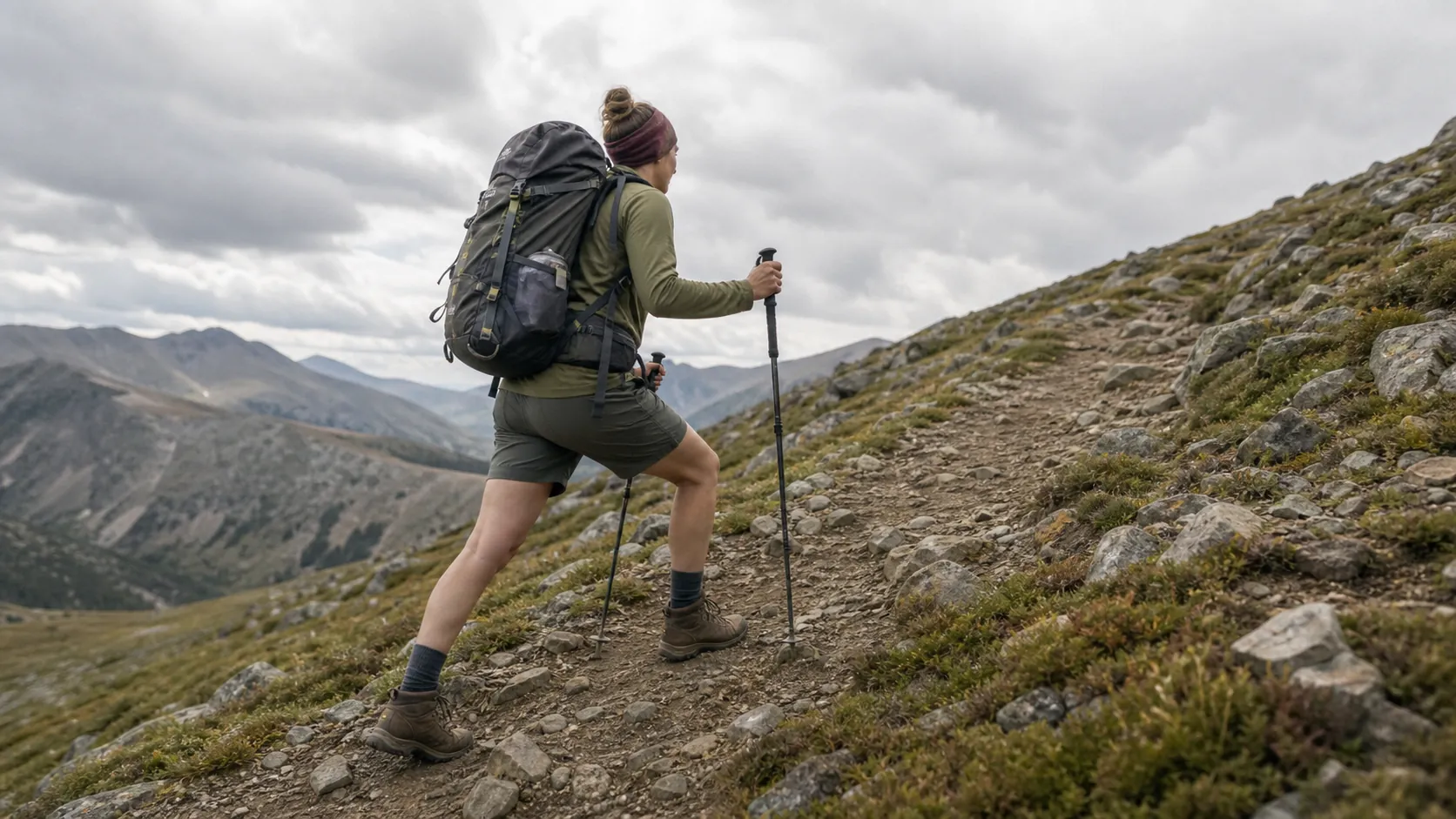
A precise walking technique that transfers each pause from tired muscles to the straight rear leg.
Read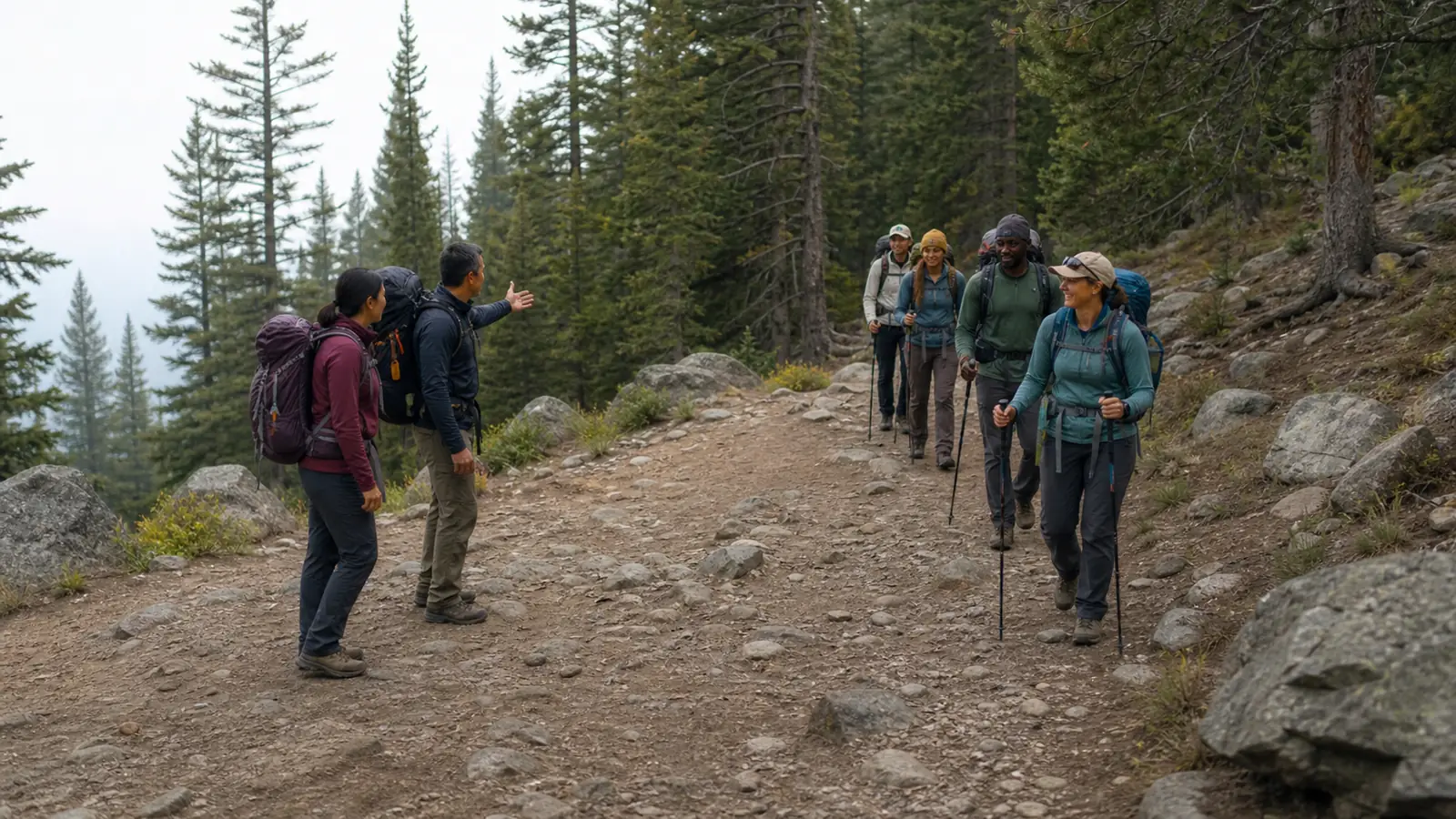
Yield the easier move, protect scarce water, and keep shared overnight space usable for the next group.
Read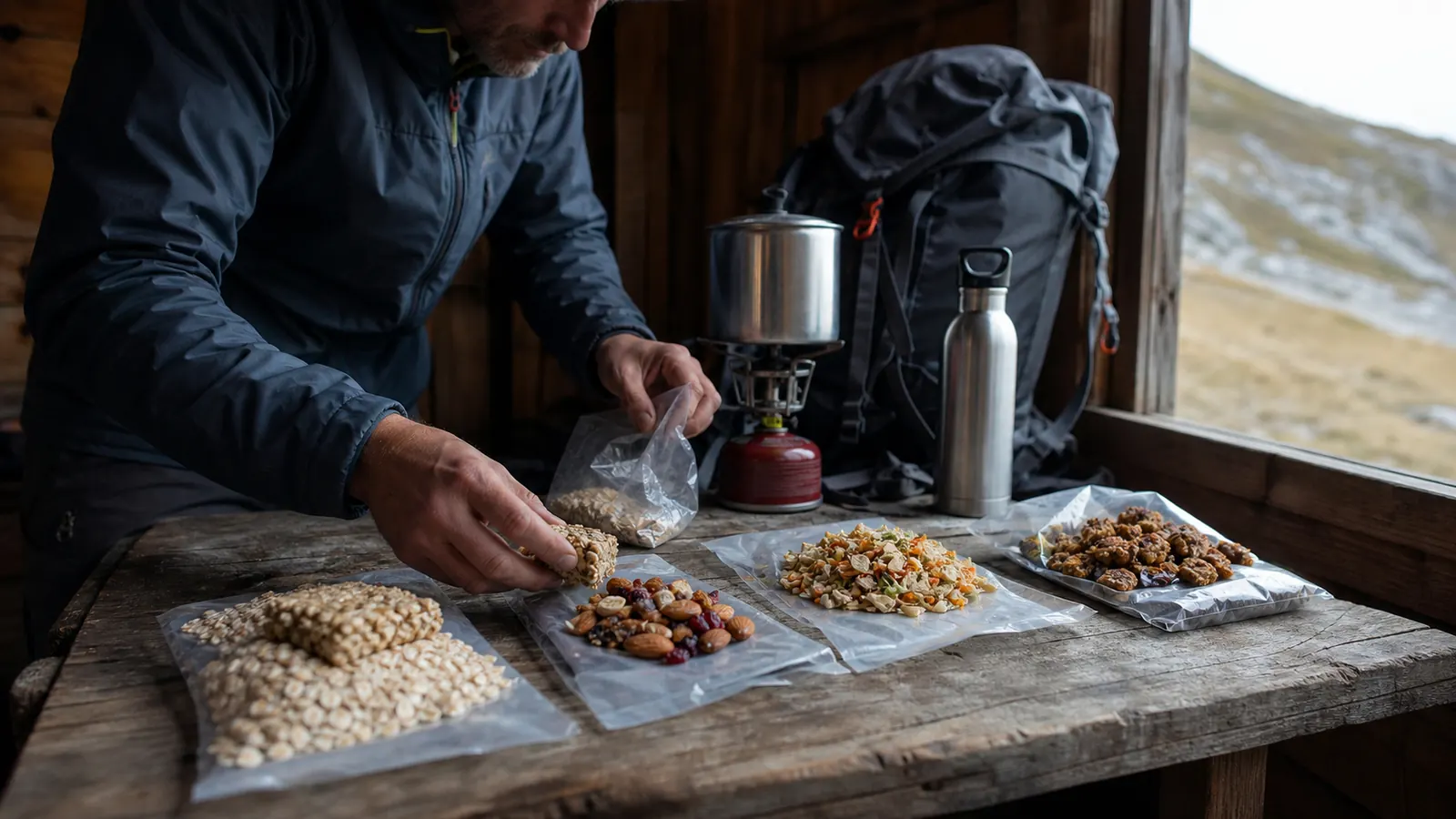
Build meals around when you can eat, how much water and fuel they need, and whether you will still want them after a hard day.
Read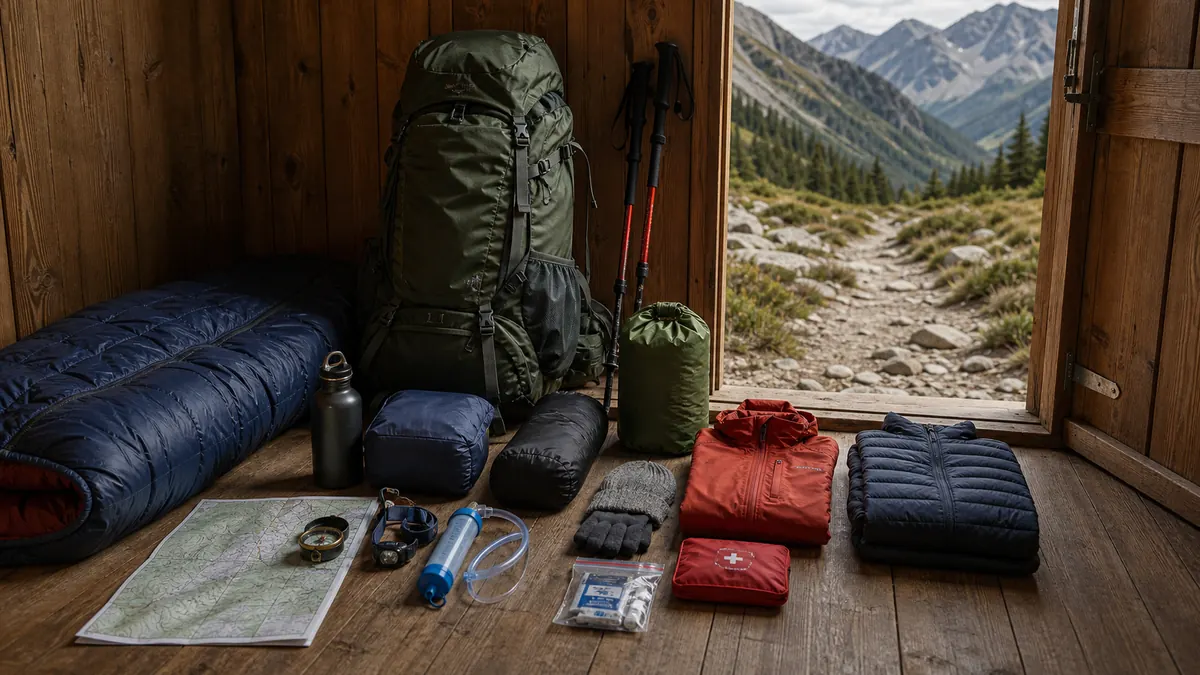
Pack for trekking by planning sleep, weather, food, water treatment, navigation, first aid, repair, and daily access before the bag is closed.
ReadNo guides at this level yet.
The skills, gear, safety, and planning that make every trekking trip work.