
Easy
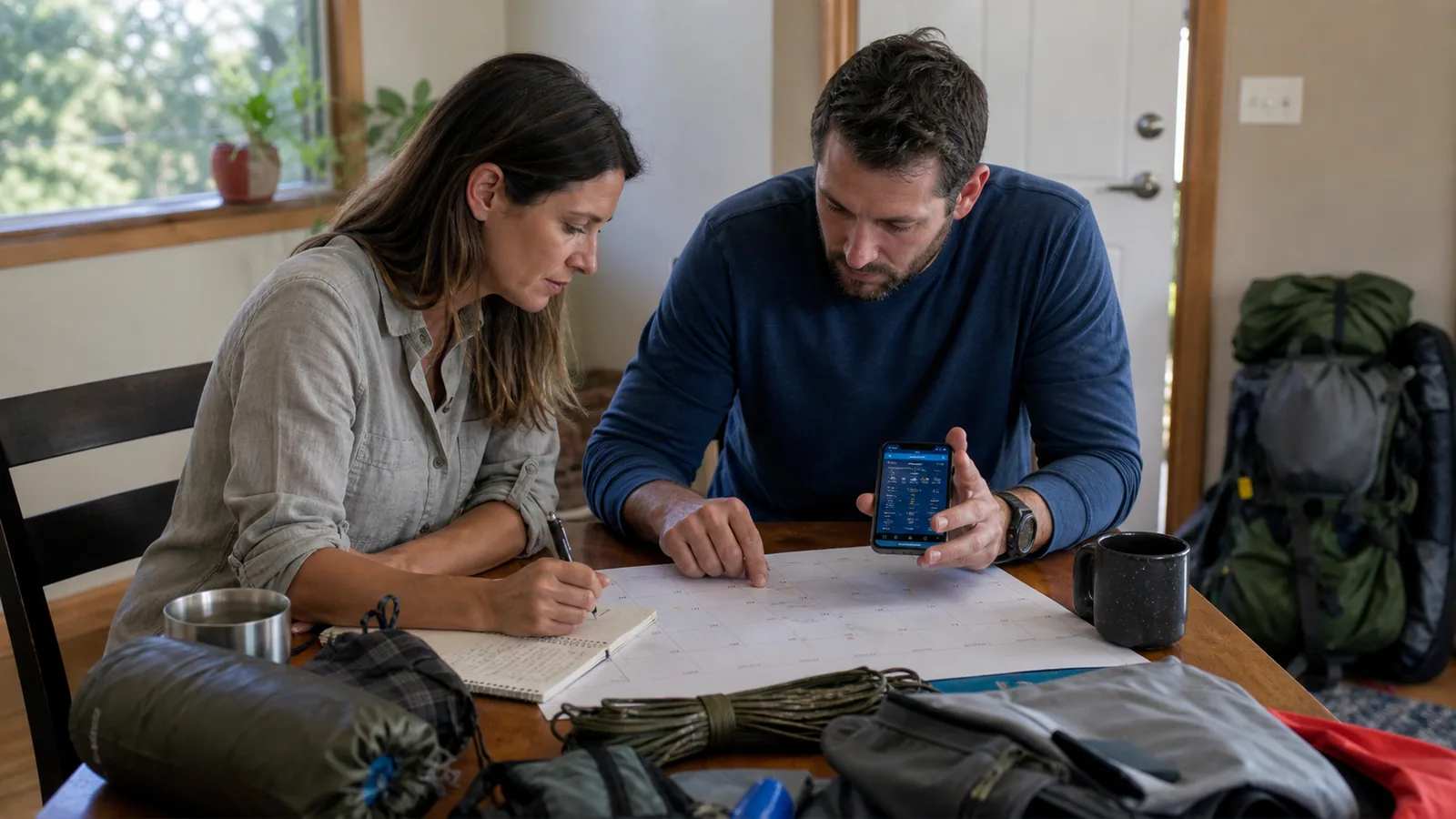
Build Your First Camping Trip Backward From the Finish
Build the first overnight from checkout, the coldest forecast hour, legal site rules, daylight setup, and the last easy decision to cancel.
Read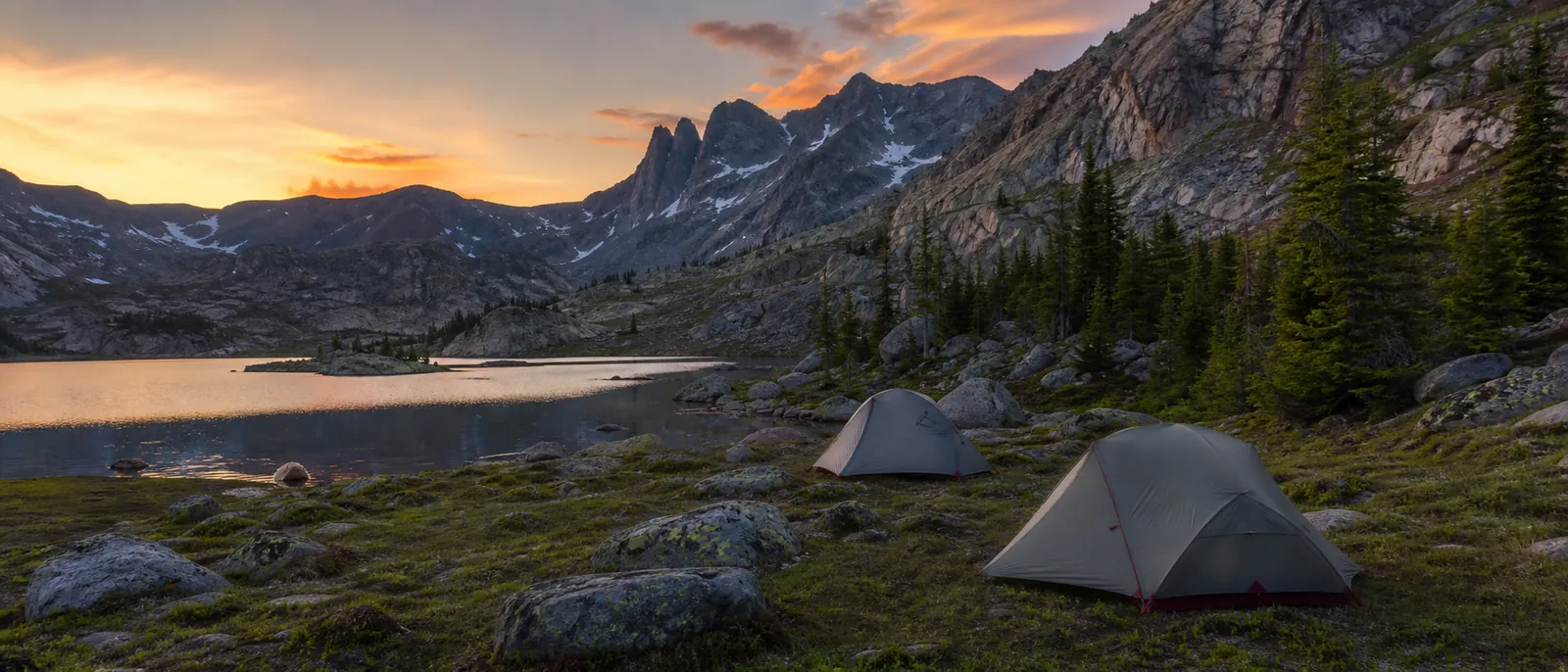
Camping is spending the night outdoors, whether at a drive-in campground or a short walk from the car. Learn how to pick a site, pitch a tent, and stay warm and dry.
Each one is field-tested and, where safety is involved, checked by a qualified responder.
Build the first overnight from checkout, the coldest forecast hour, legal site rules, daylight setup, and the last easy decision to cancel.
Read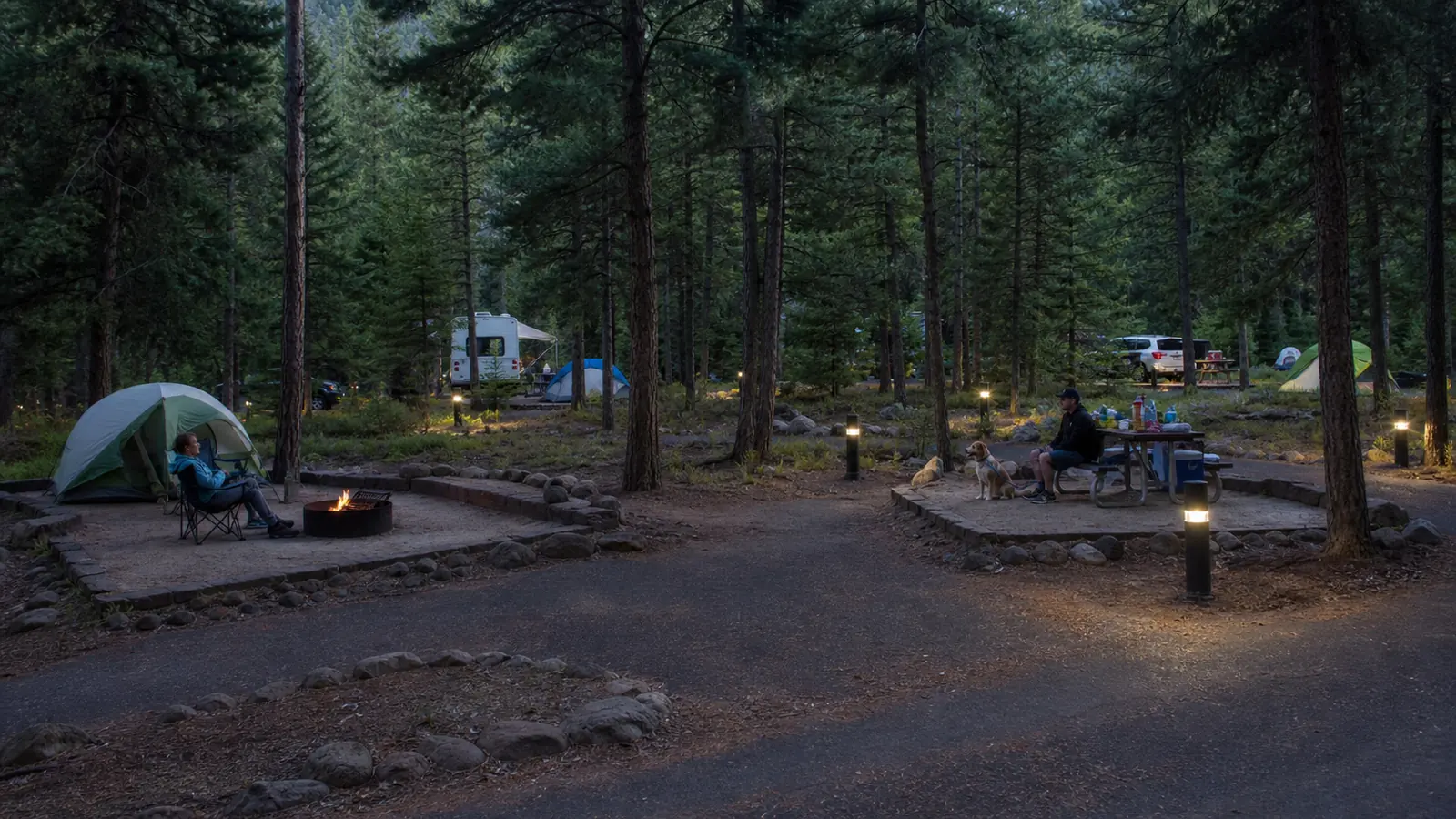
Keep people, sound, light, smoke, scent, water, pets, waste, and checkout work from spilling into another campsite.
Read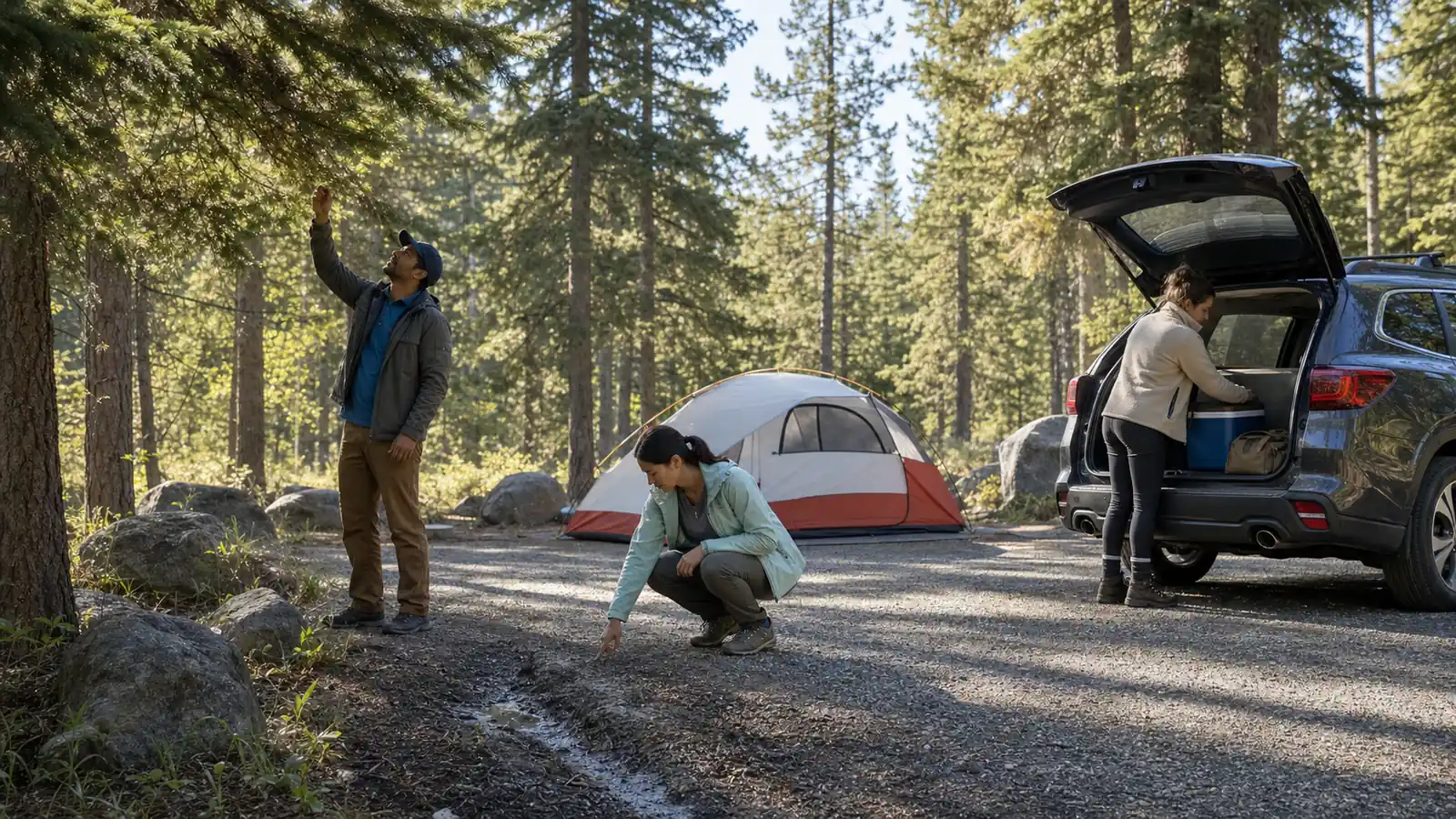
Verify current conditions, inspect the pad, separate campsite zones, assign people, close food and fire tasks, and leave before a simple problem removes the easy exit.
Read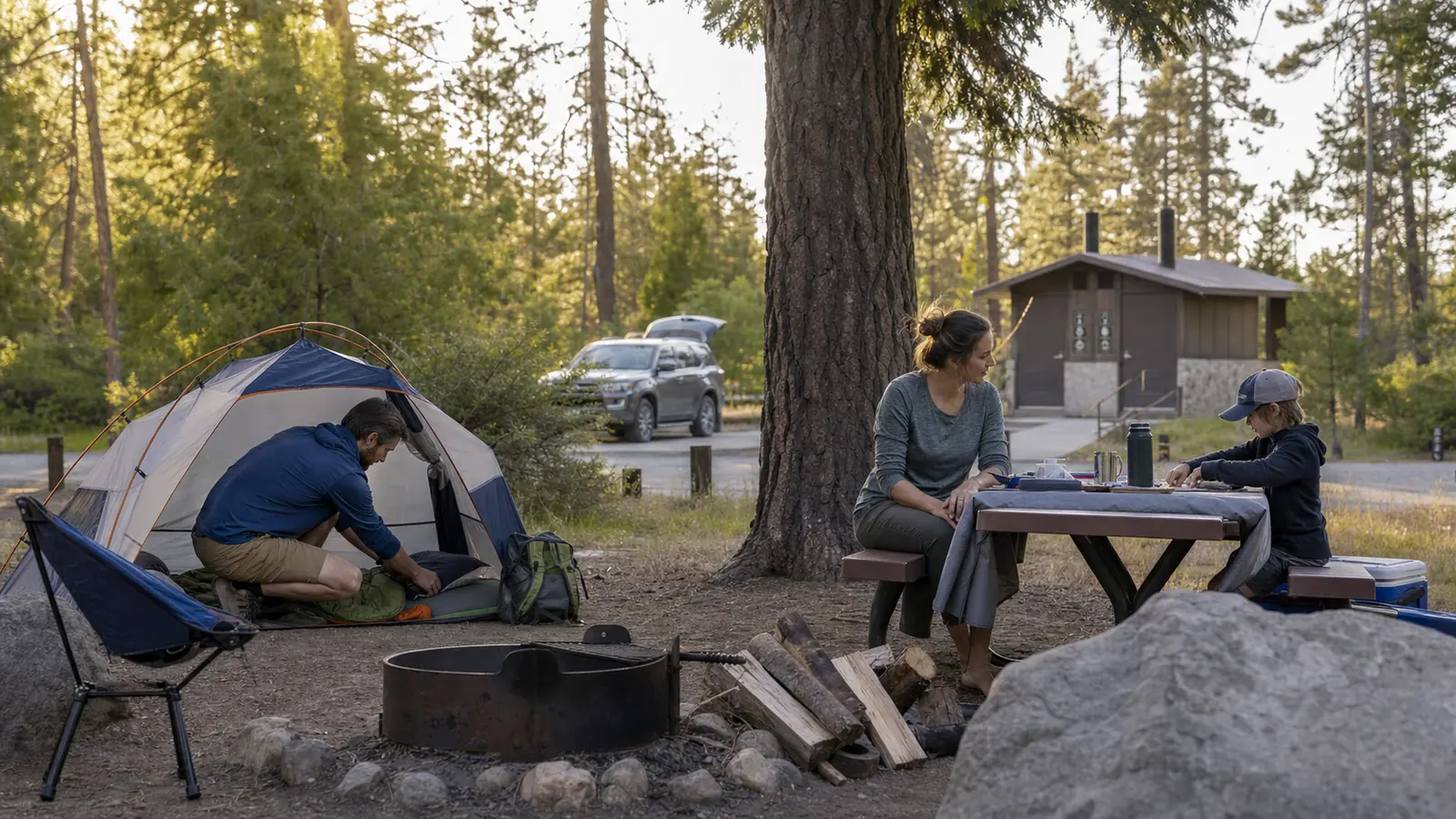
Choose the site, schedule, adult roles, food, lighting, and next-day plan around the child's shortest urgent need.
Read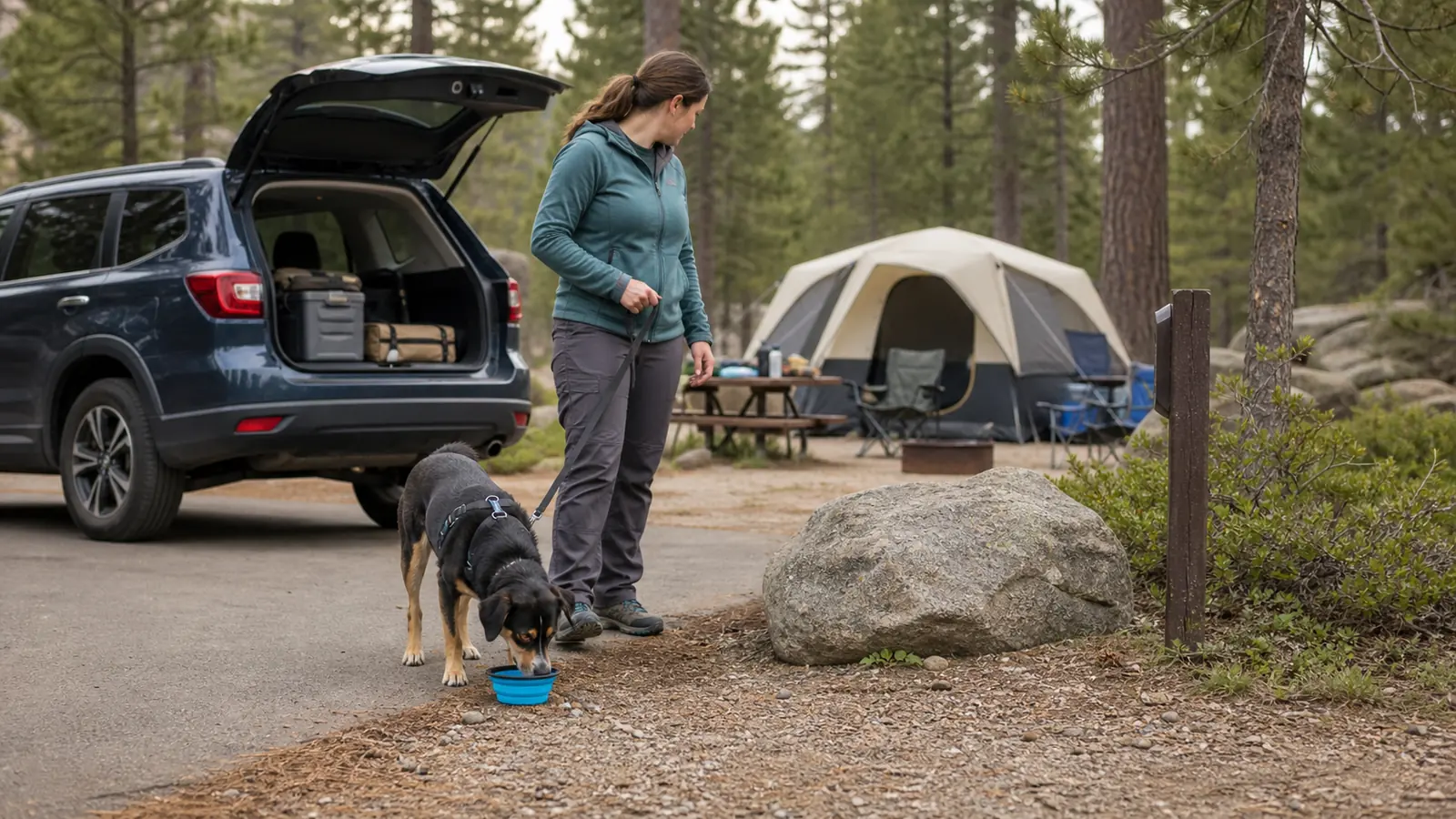
Verify every pet rule, compare the dog with its normal baseline, and plan restraint, water, sleep, waste, wildlife, and an early exit.
Read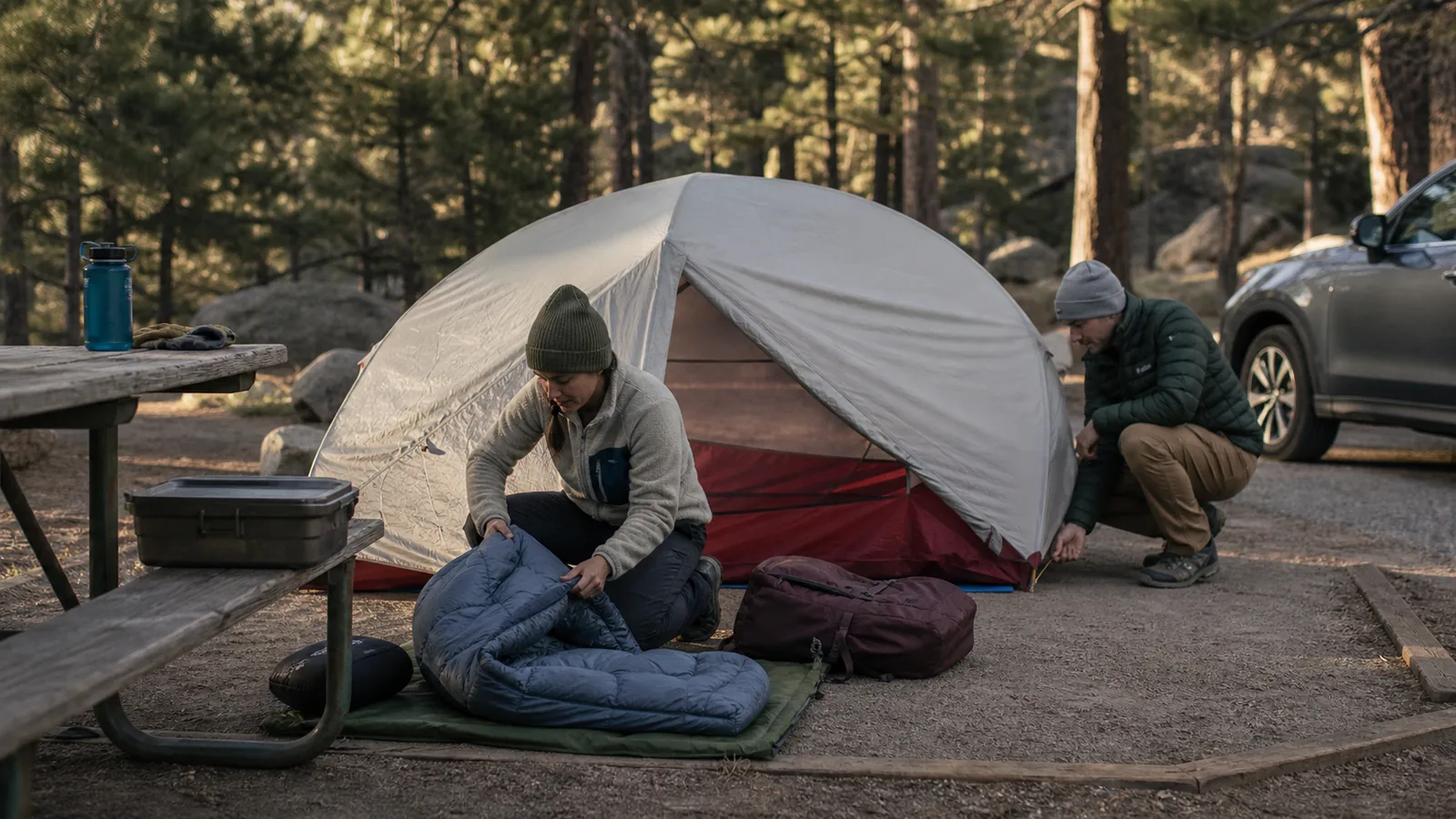
Learn camping at a legal, accessible site where shelter, sleep, food, and departure problems can be corrected before they control the night.
Read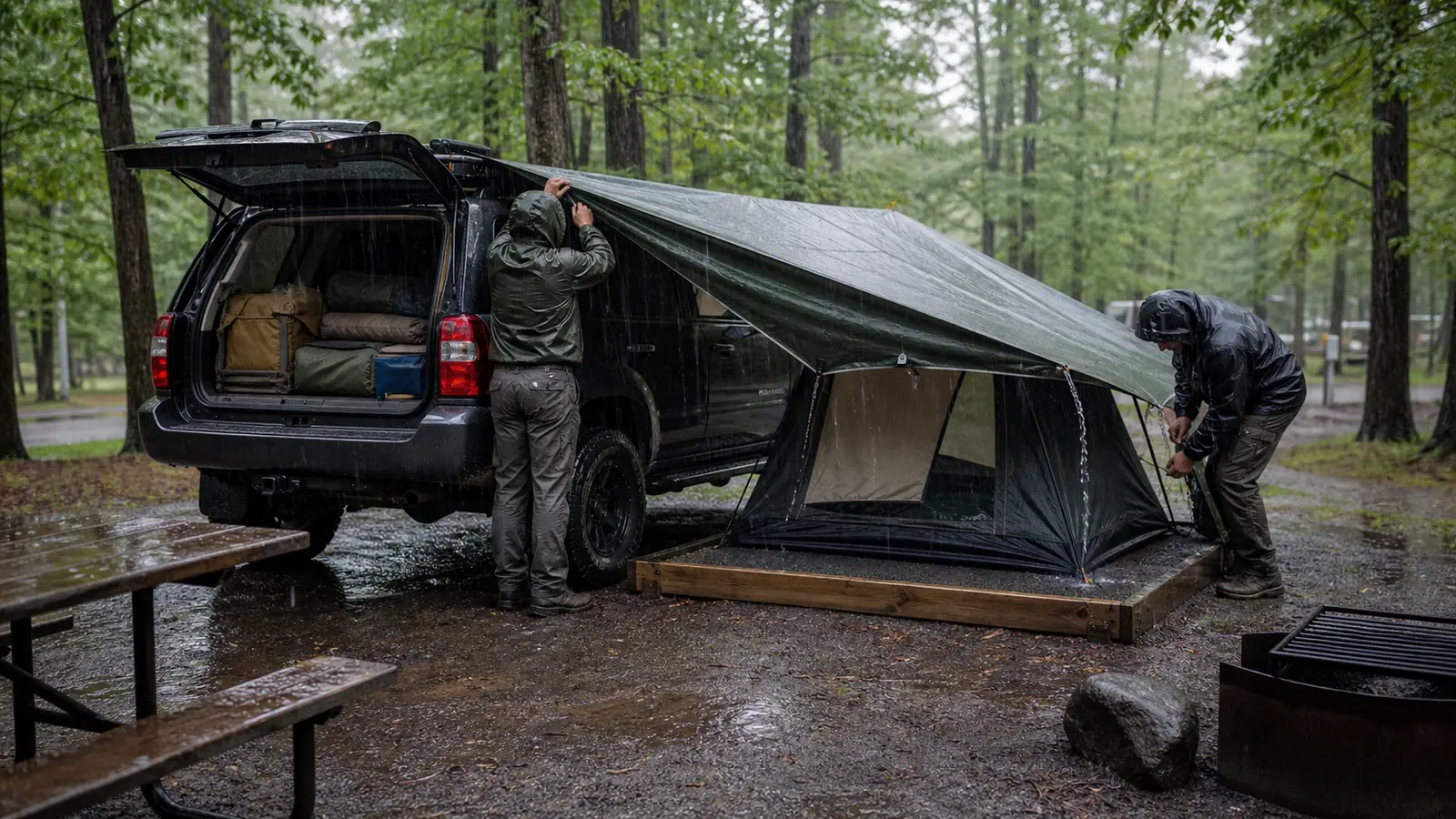
Keep one dry recovery area protected while runoff, shelter order, cooking limits, storm signals, and wet closeout shape the rest of camp.
Read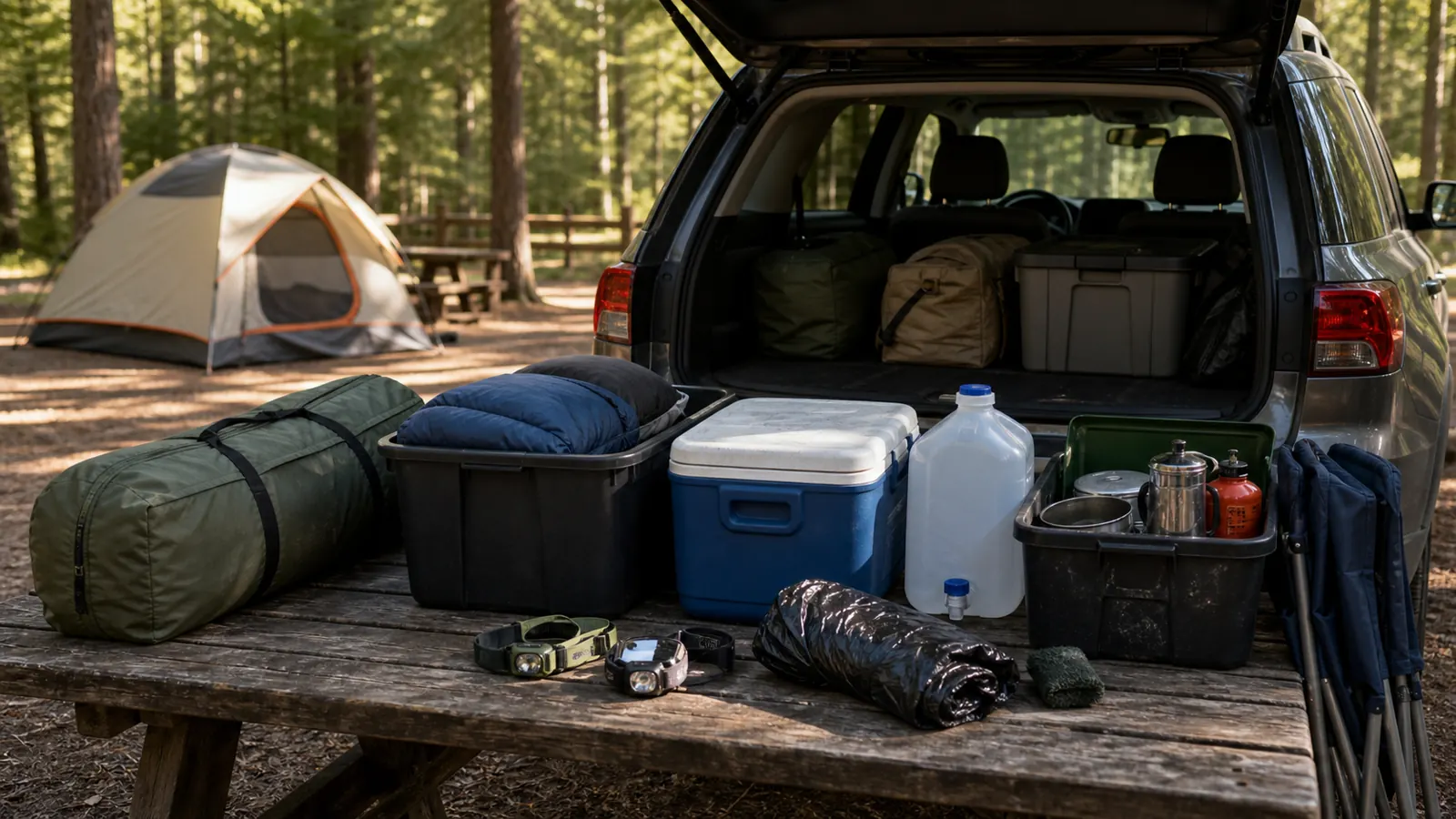
Pack car camping gear by campsite task, vehicle access, cooler control, weather reach, and the morning reset.
Read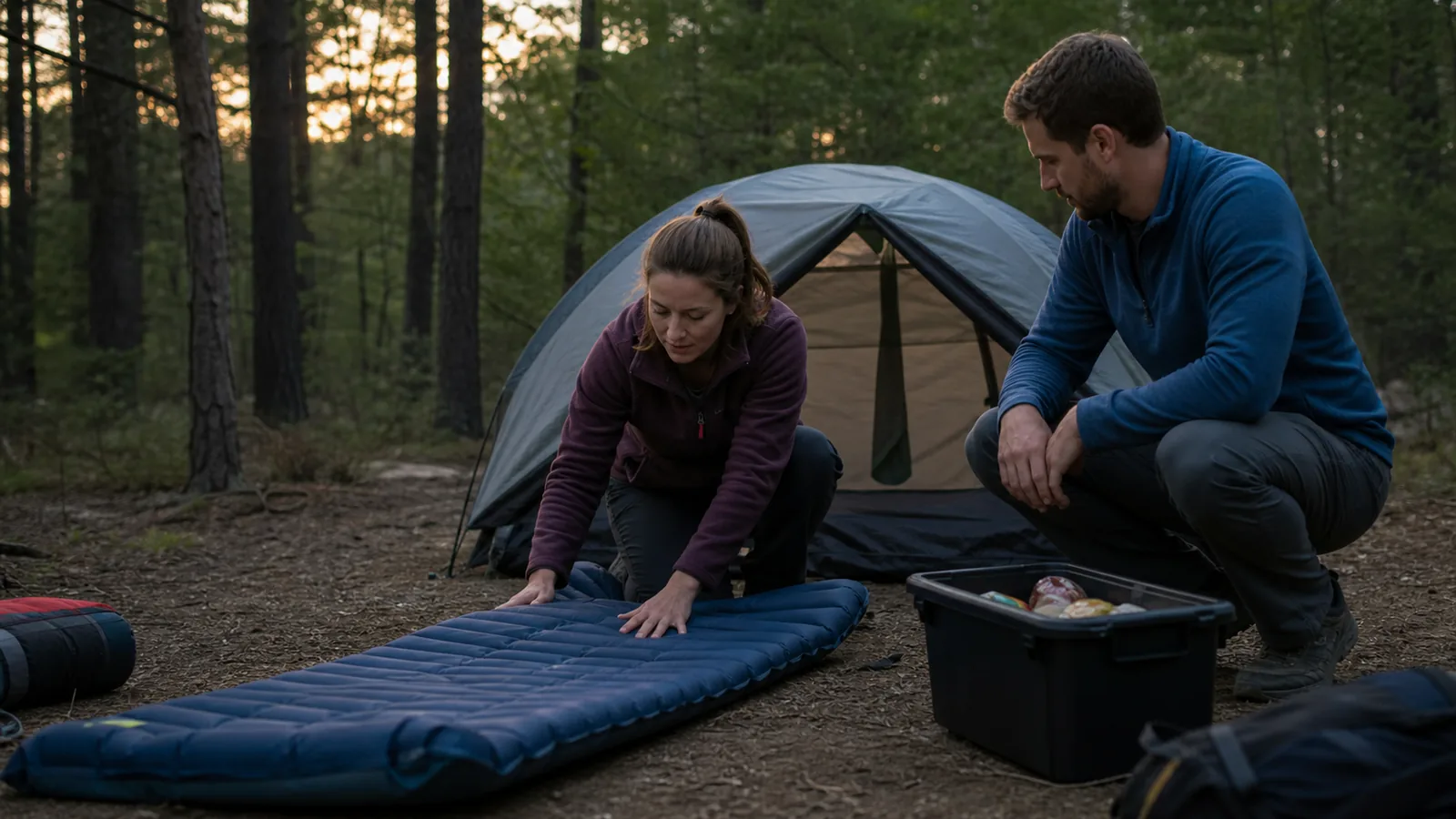
Trace cold beds, rushed setup, wildlife visits, unsafe fires, and late checkout to the first signal and the cheapest available correction.
Read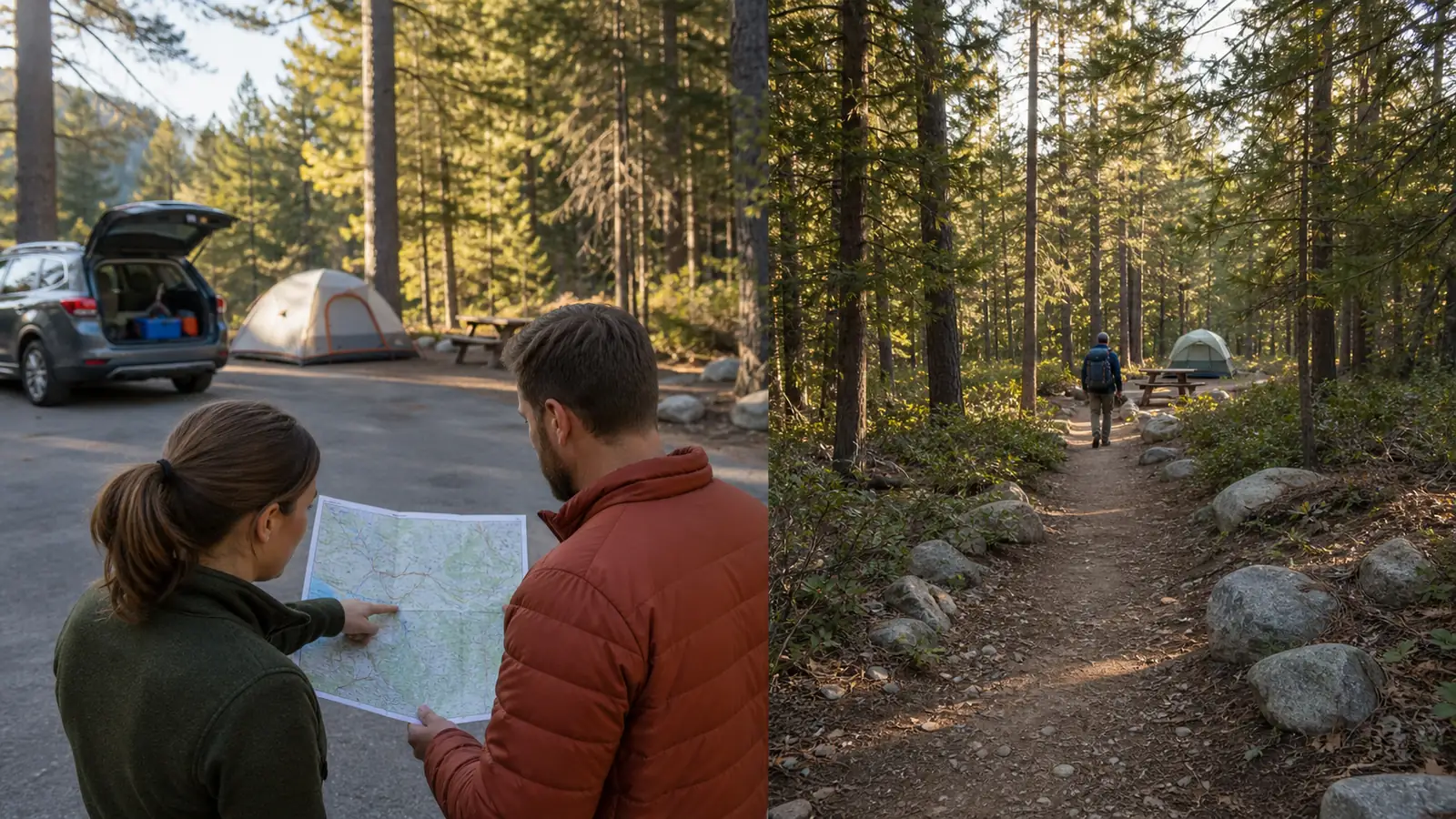
Filter campgrounds by current rules, access, equipment, facilities, exposure, and exit before comparing individual sites for comfort.
Read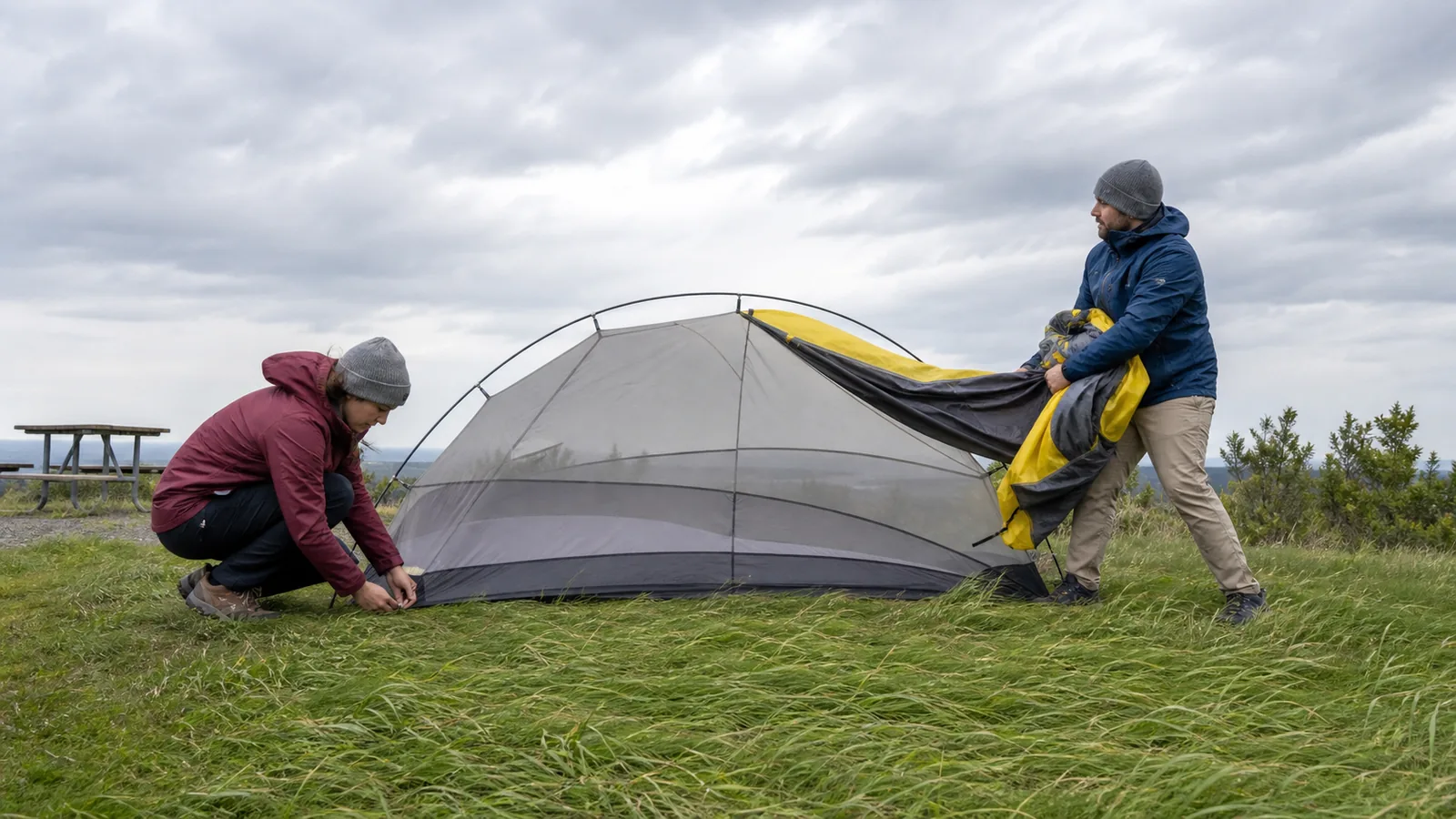
Keep each exposed panel attached, held, or bundled until the shelter can carry the next gust.
Read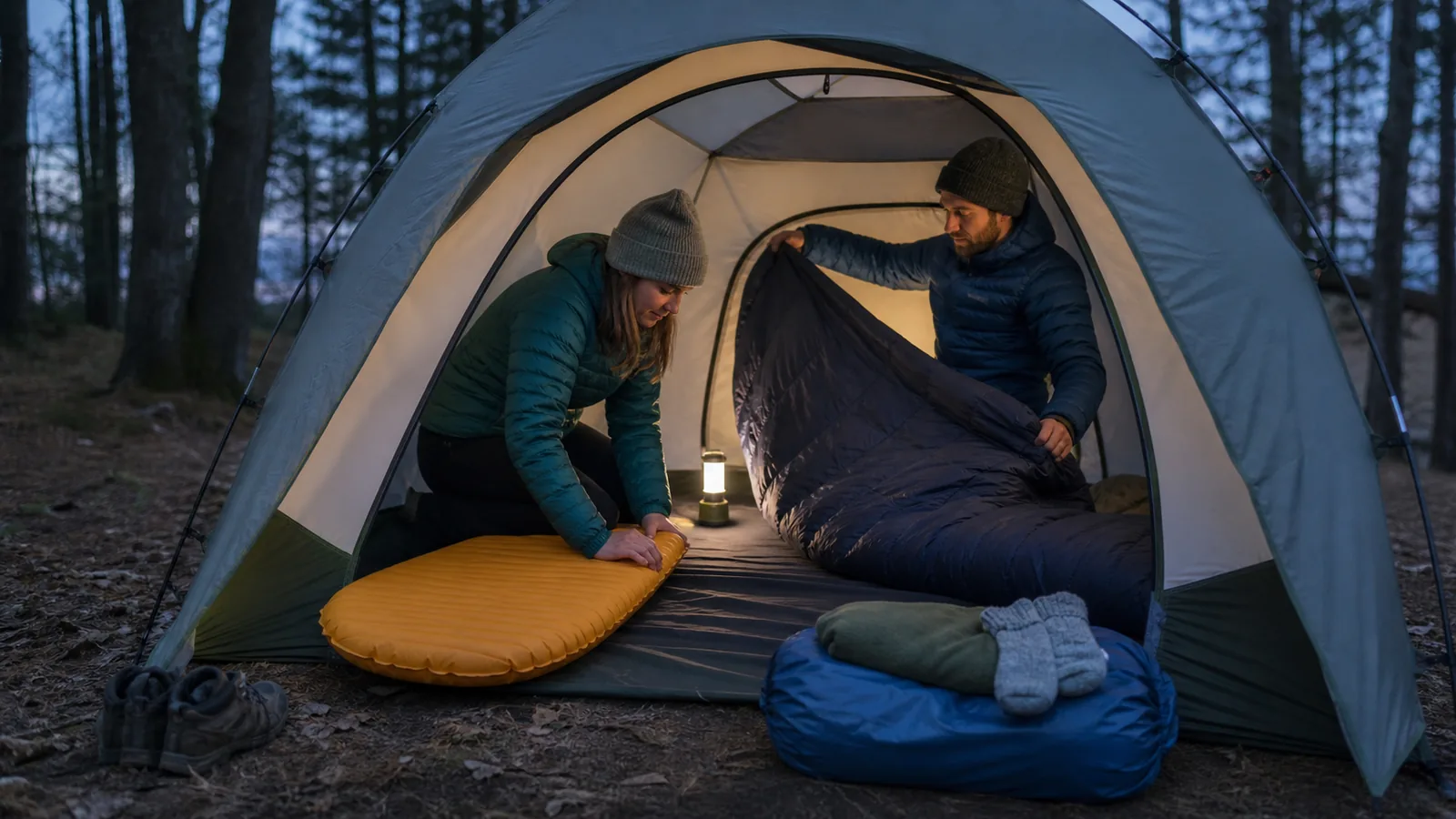
Match the night, insulate below the body, keep sleep layers dry, protect loft, support normal heat production, and leave when rewarming fails.
Read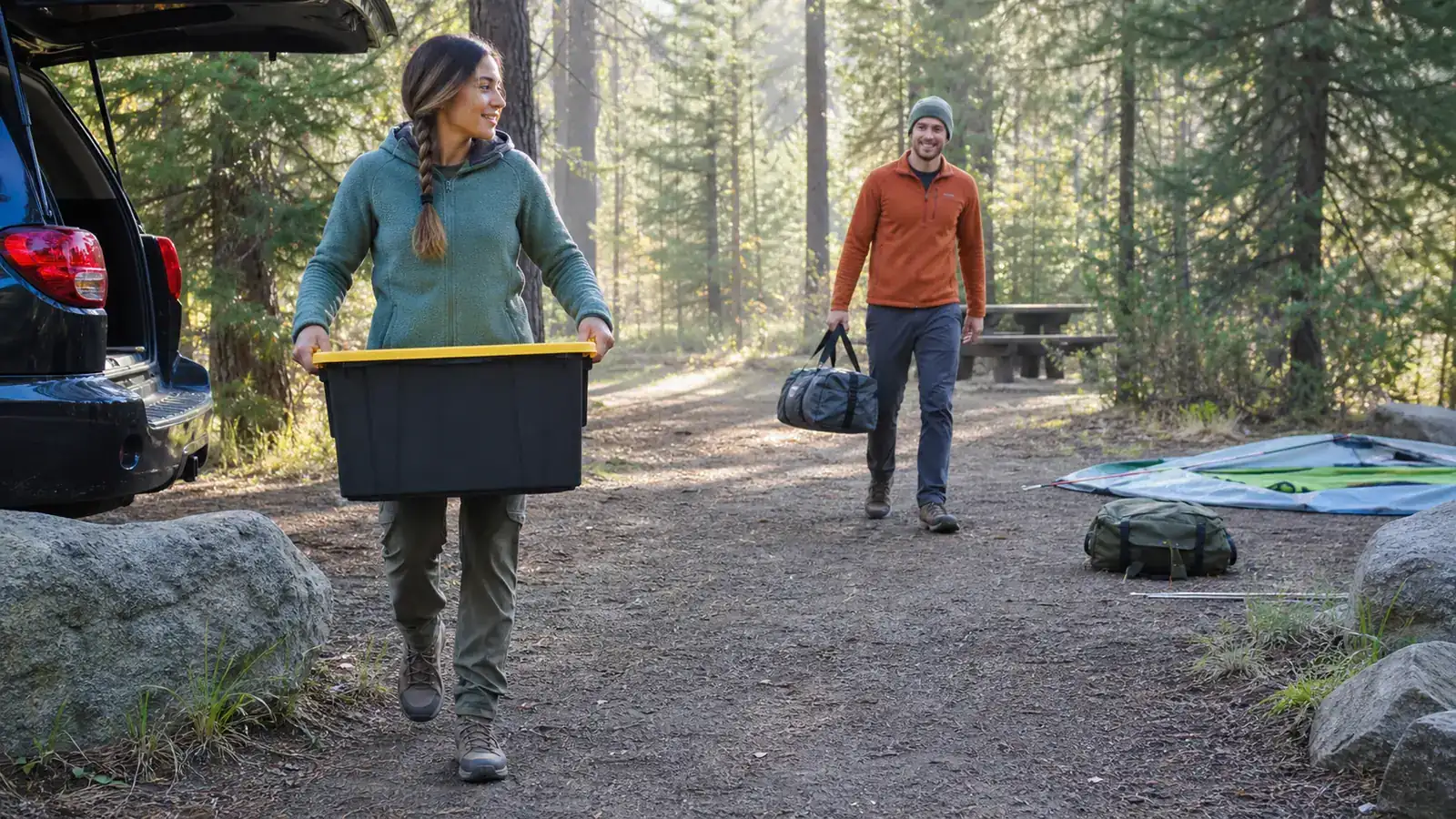
Camping can add useful walking, carrying, and setup work, but a quiet drive-up stay is not automatically an aerobic or strength workout.
Read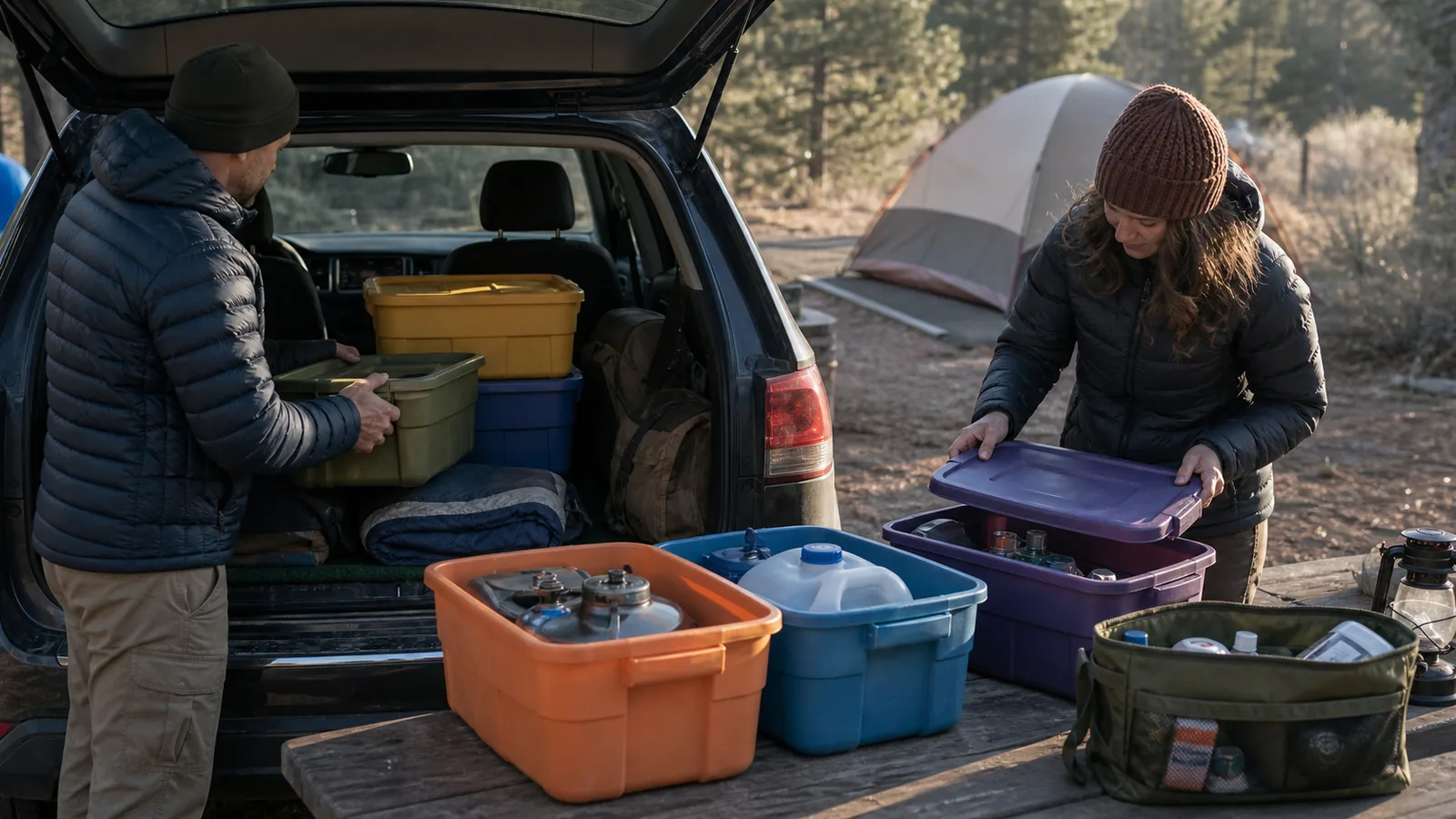
Pack shelter, sleep, clothing, food, water, light, health, and cleanup as working systems, then subtract only what the campsite truly supplies.
Read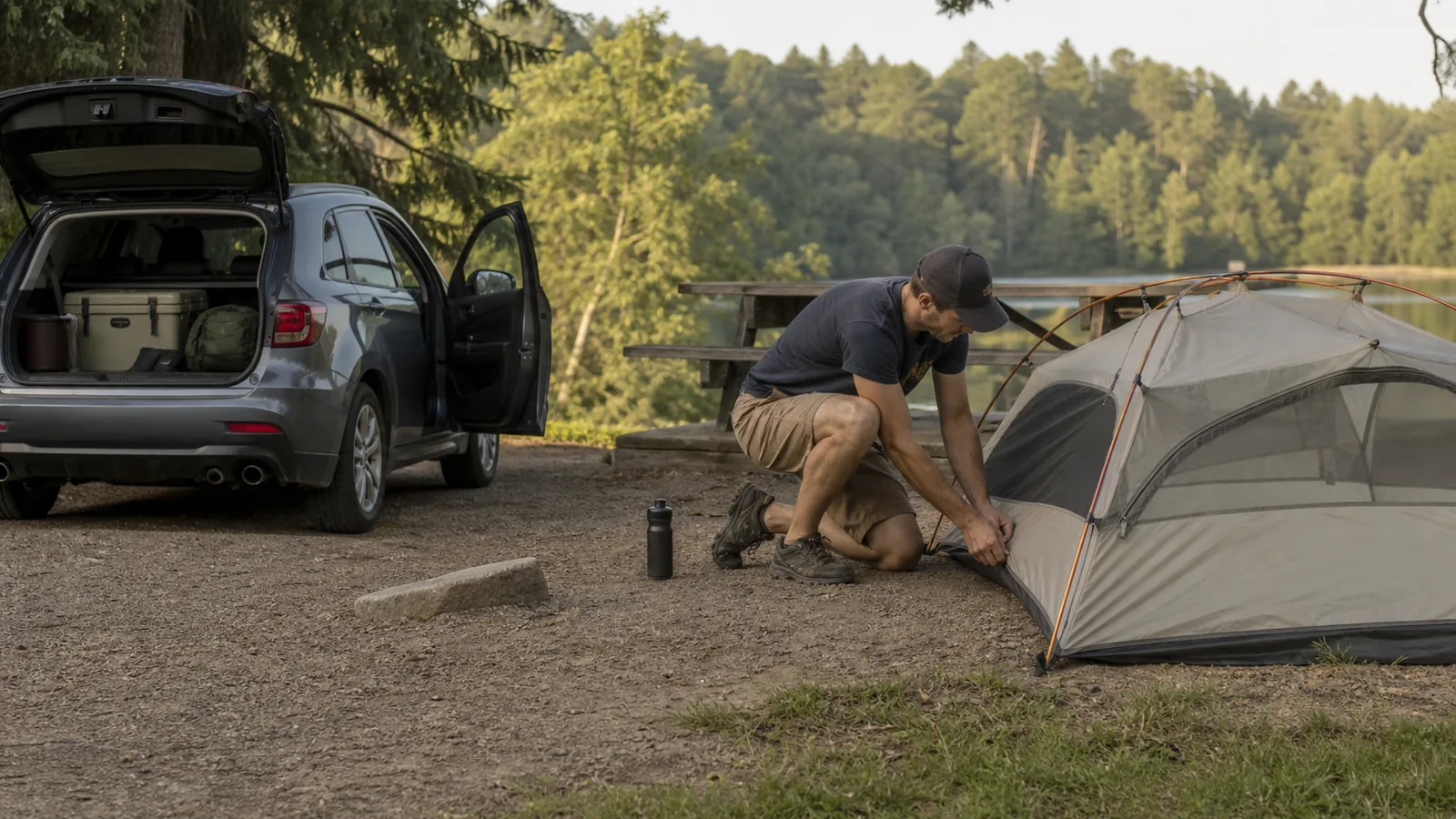
Choose a simple exit, leave an exact overdue plan, test every camp task alone, and leave while you can still solve the problem yourself.
Read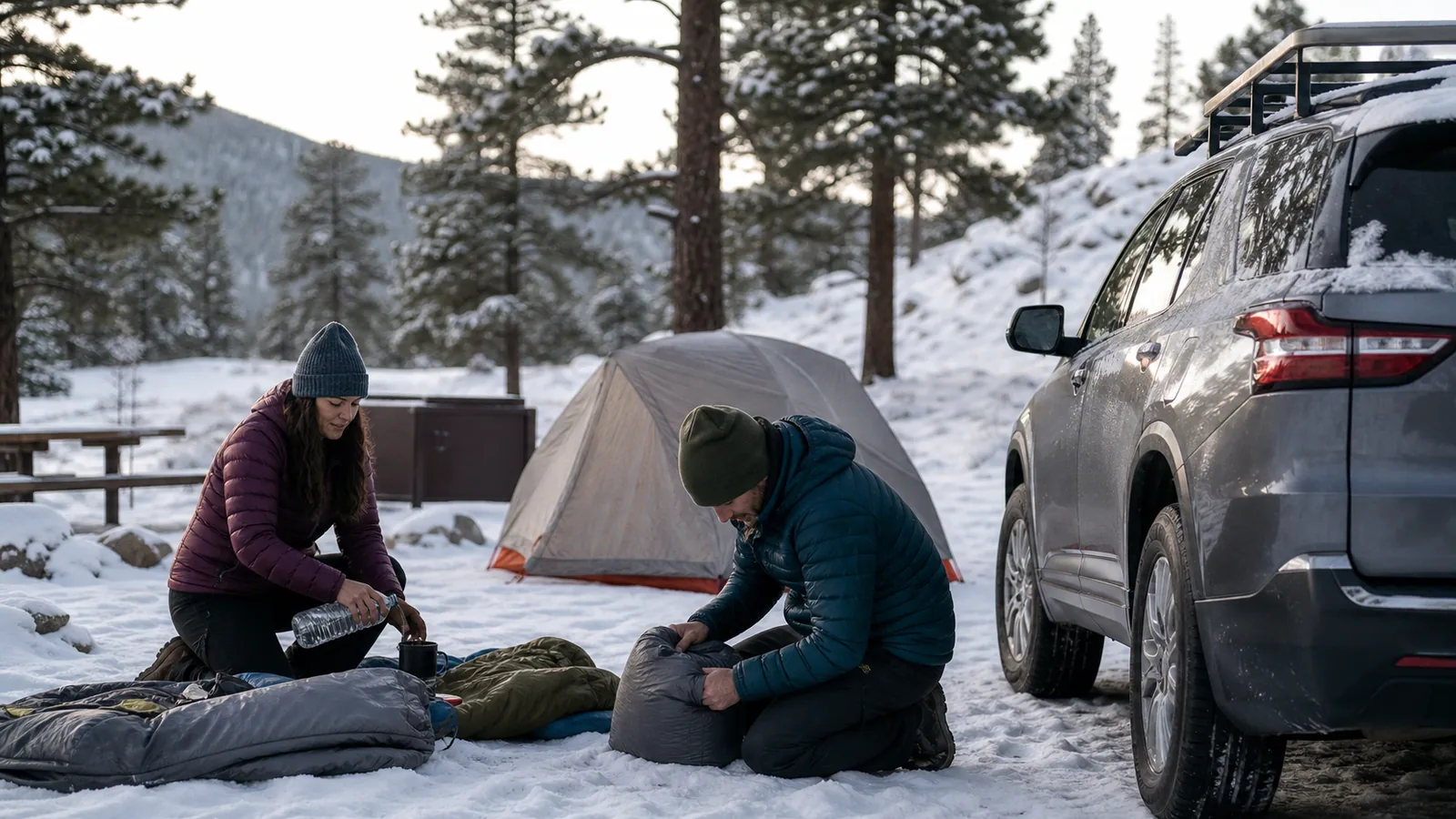
Set a lower winter ceiling around access, wind, dry insulation, liquid water, hand function, short daylight, and the work required to leave after the coldest hours.
ReadNo guides at this level yet.
The skills, gear, safety, and planning that make every camping trip work.