
Moderate
Best National Parks for Day Hikes, Ranked by Trail Variety
Eight parks compared by trail range, terrain, access, and the kind of hiking day each rewards.
Read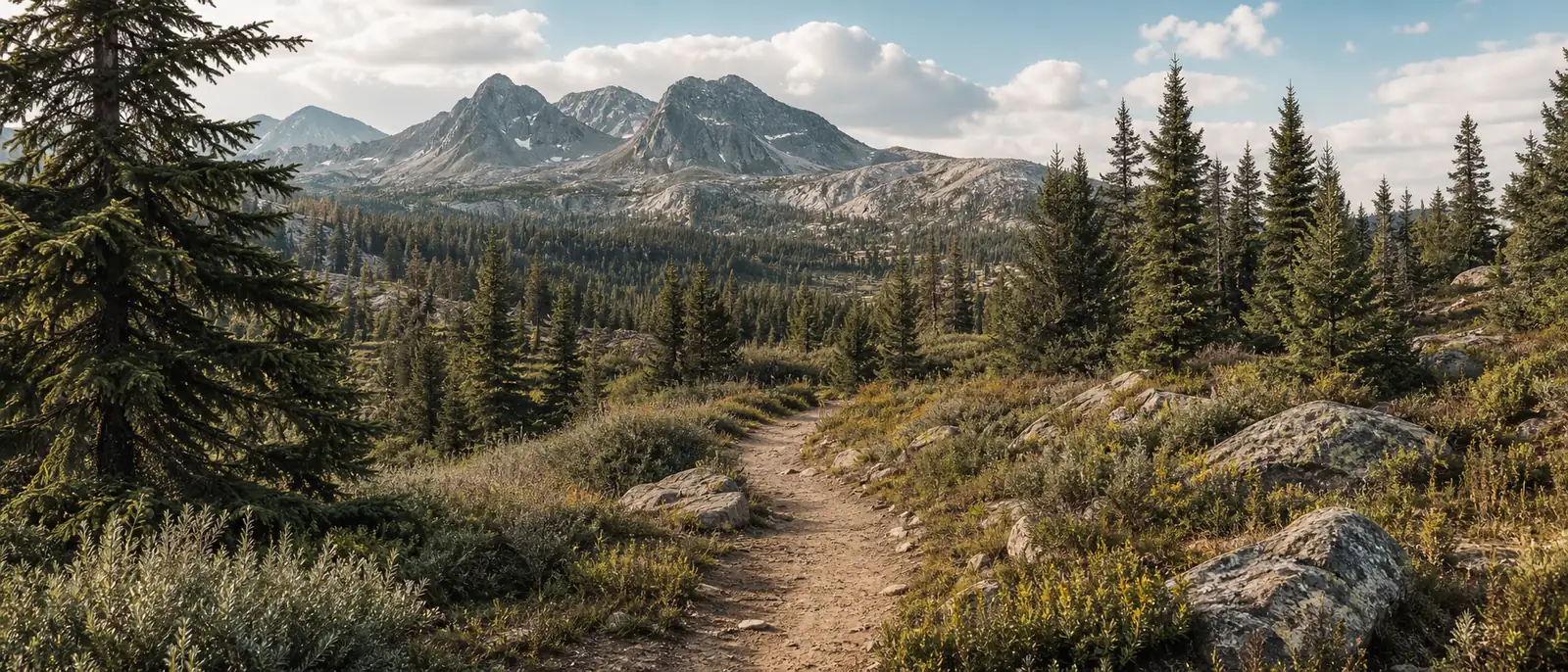
Hiking is walking outdoors on trails for a few hours up to a full day. Start here for how to train, what to carry, and how to pick a route that matches your fitness.
Each one is field-tested and, where safety is involved, checked by a qualified responder.
Eight parks compared by trail range, terrain, access, and the kind of hiking day each rewards.
Read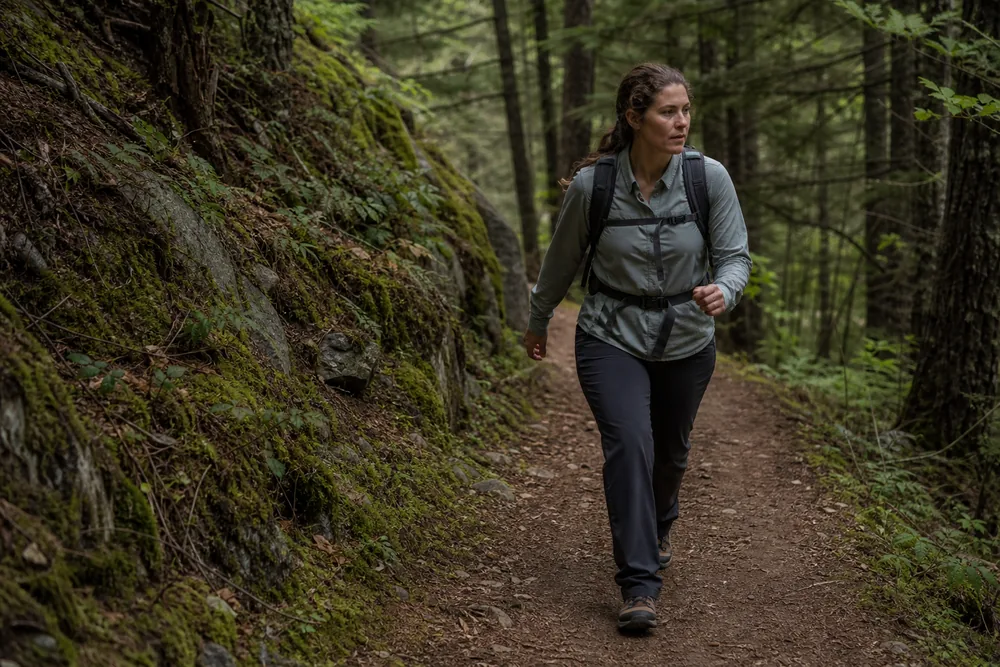
Move more efficiently by smoothing your pace, stride, breaks, pack setup, and route decisions.
Read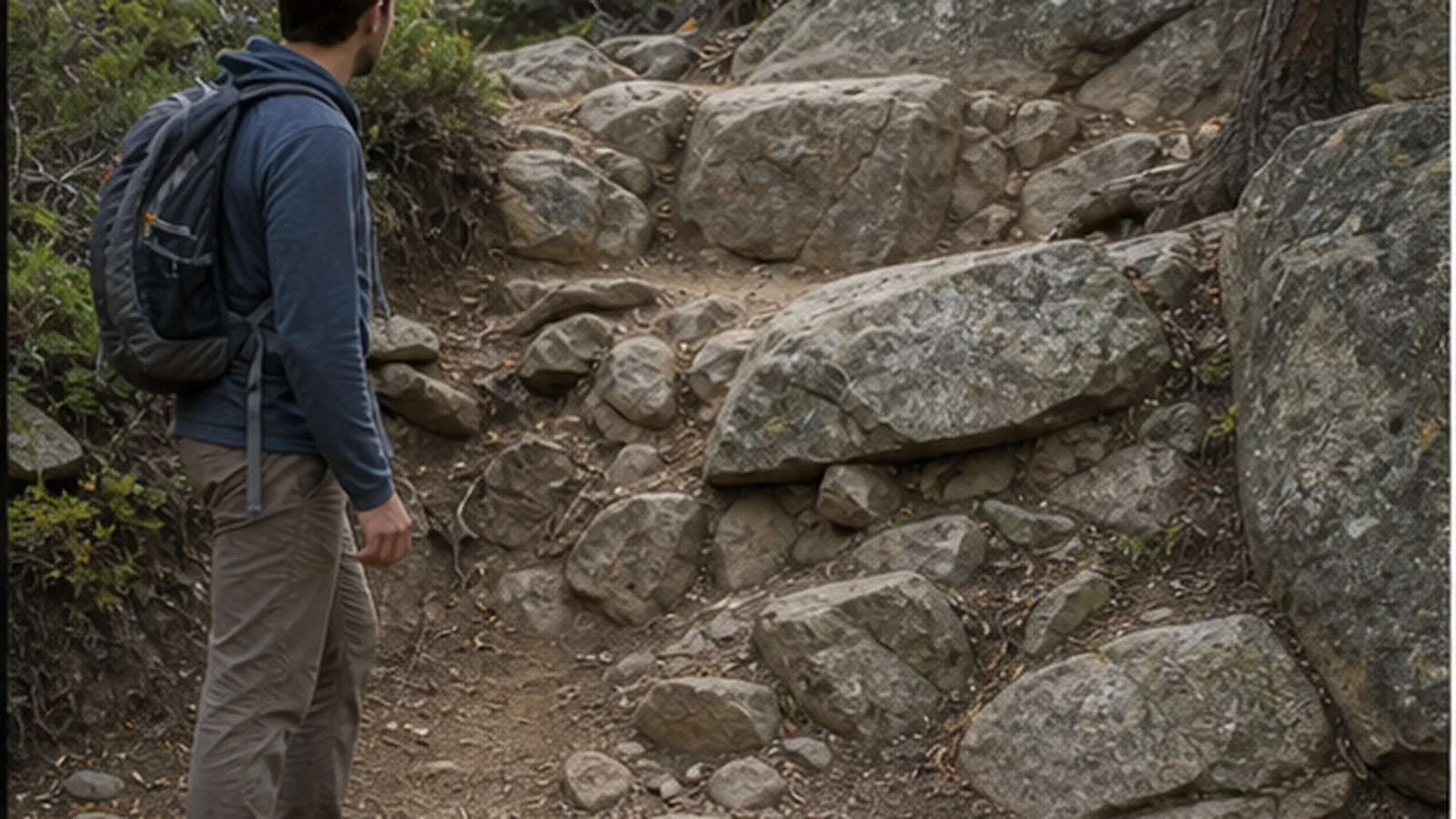
Scramble only when the rock is stable, the move is reversible, the exposure is low, and your hands add control instead of hiding a climbing problem.
Read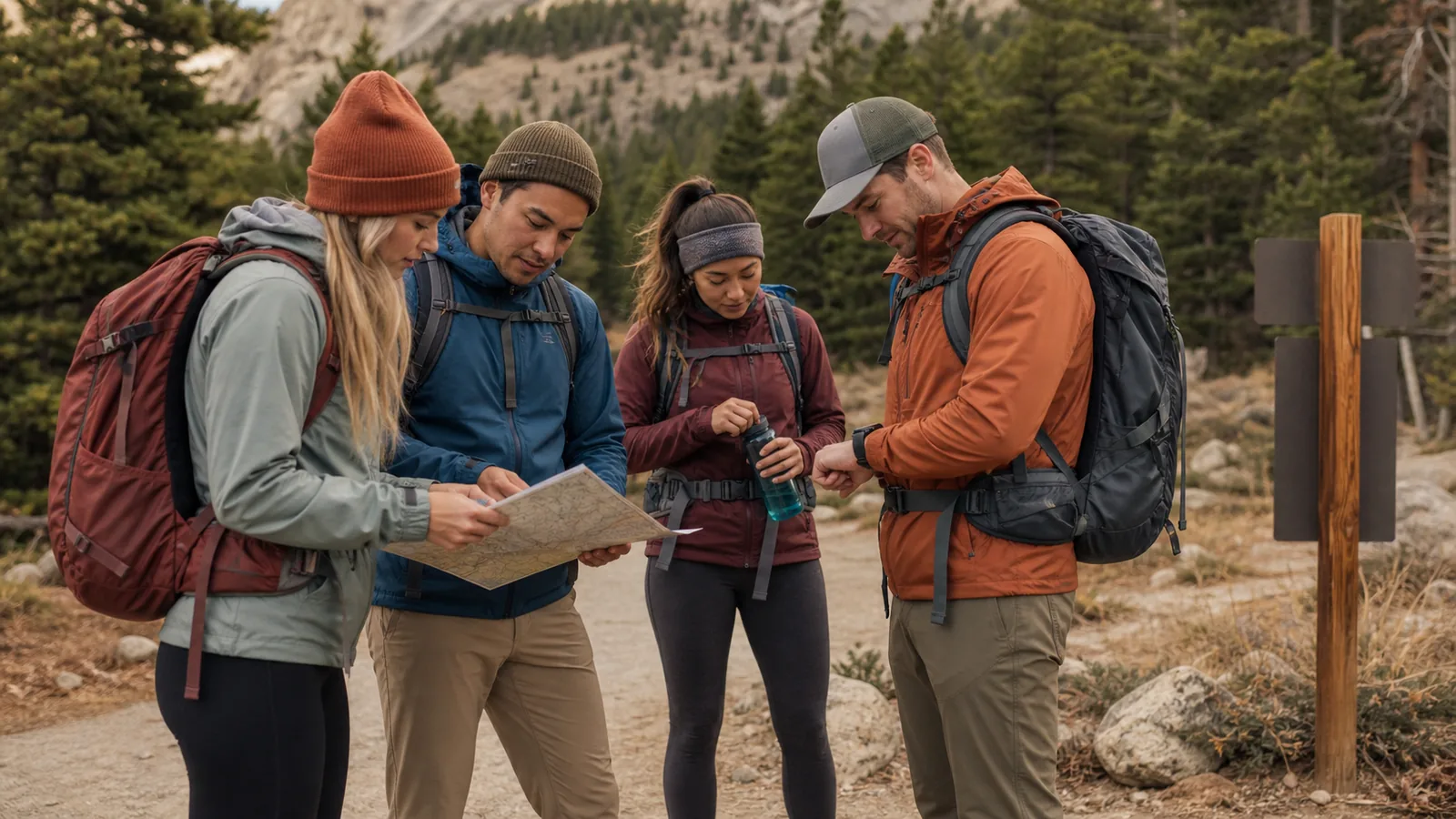
Avoid the small choices that turn an easy trail into a long day.
Read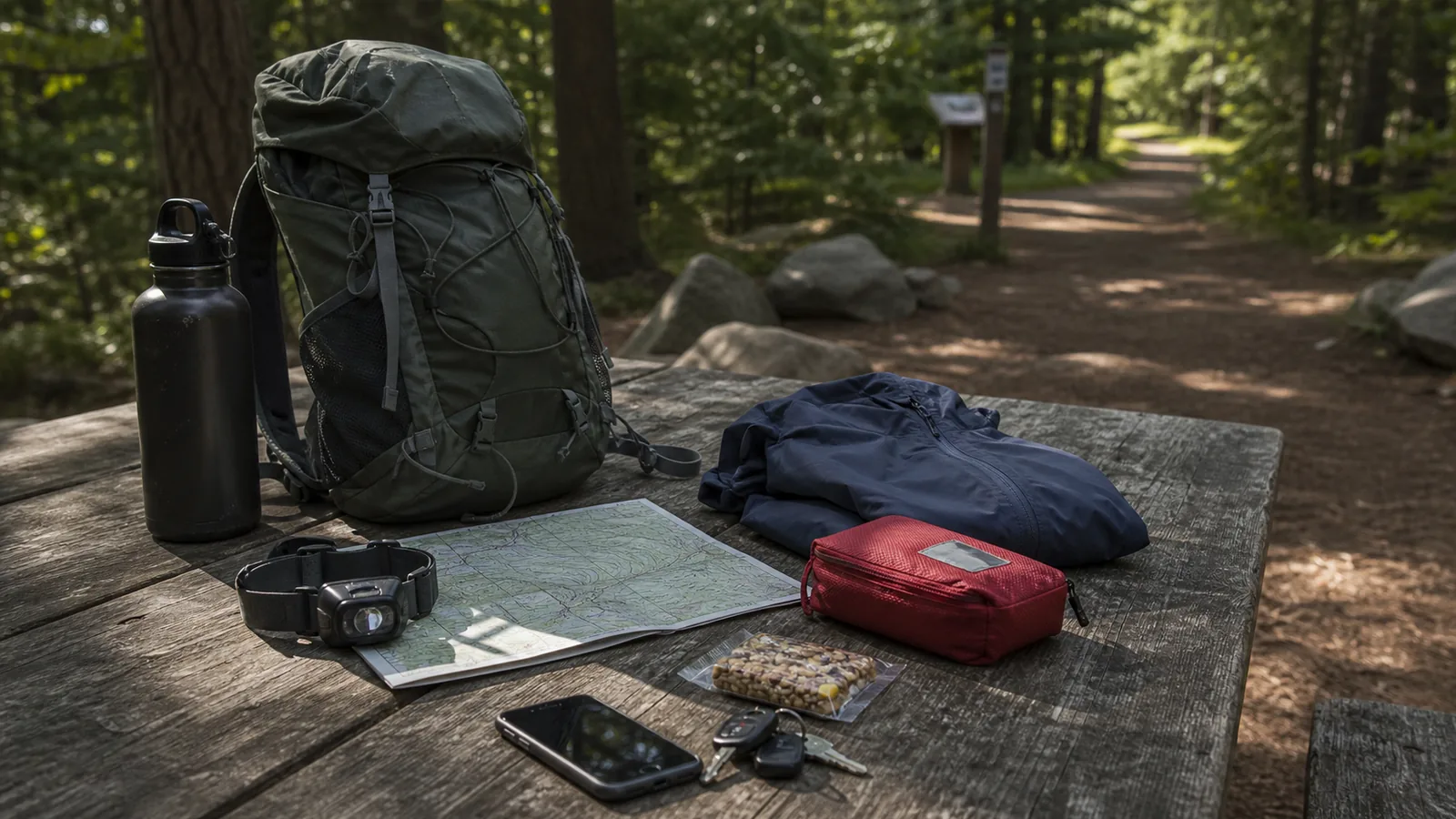
Check the route, weather, water, gear, and turnaround plan before a simple day hike becomes a long problem.
Read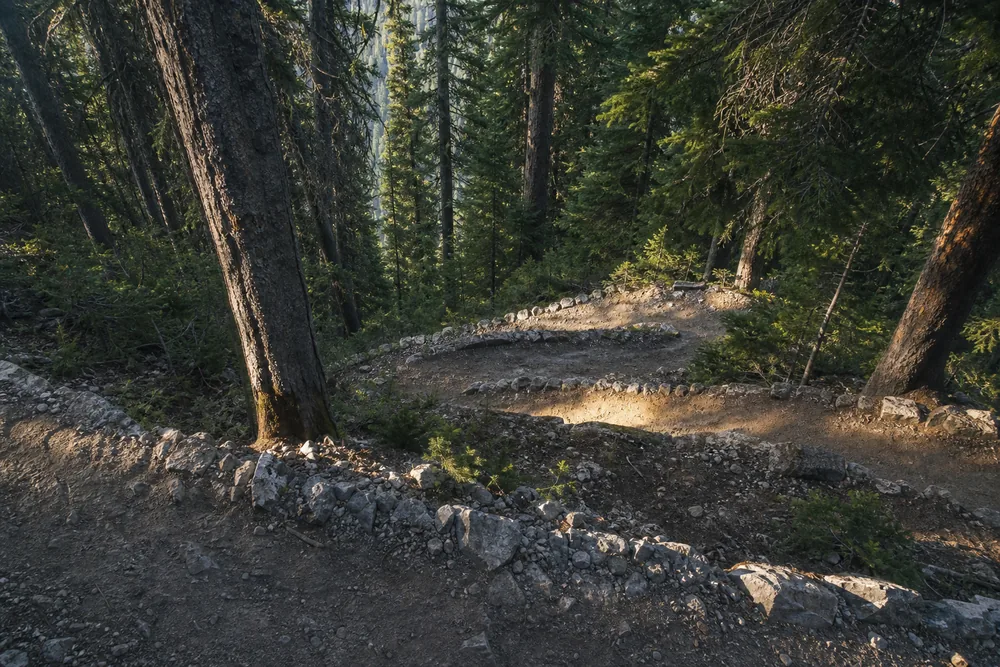
Descend switchbacks with short steps, weight over your feet, and braking done before the corner, so the tread survives and your knees still work at the trailhead.
Read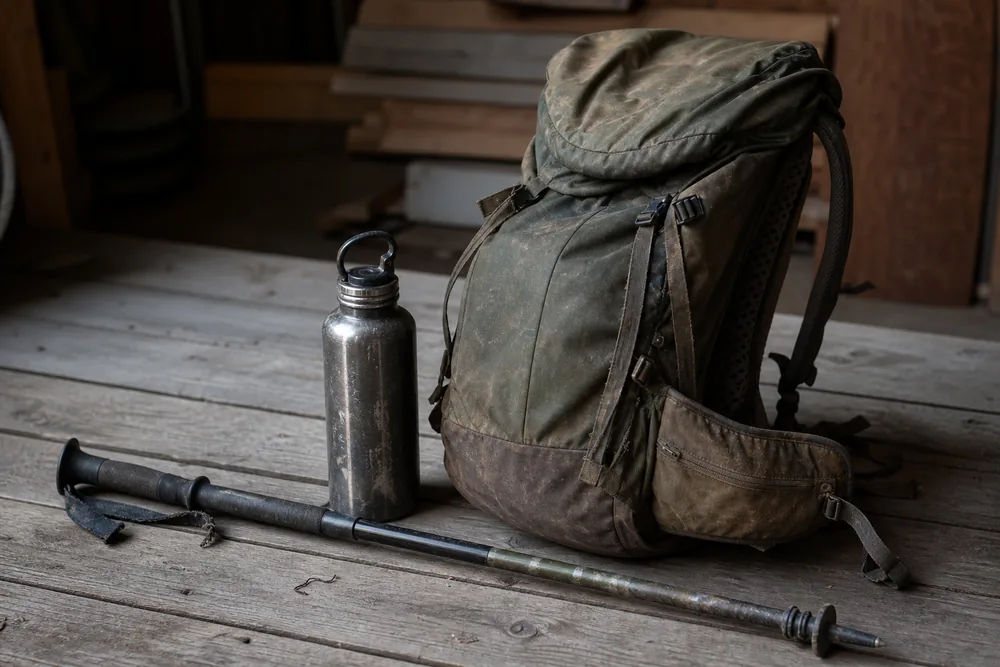
Judge a good version of each essential by its stress points, buy in the order that changes your hikes soonest, and borrow the rest until it earns a place.
Read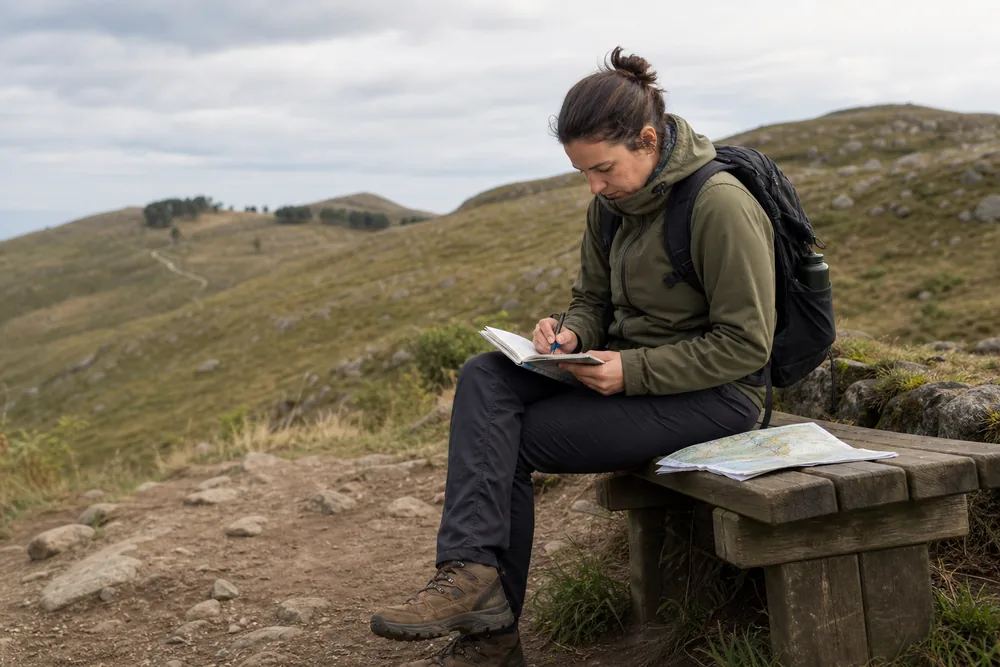
Build the walking base, climbing legs, pack tolerance, and recovery habits that make hikes feel controlled.
Read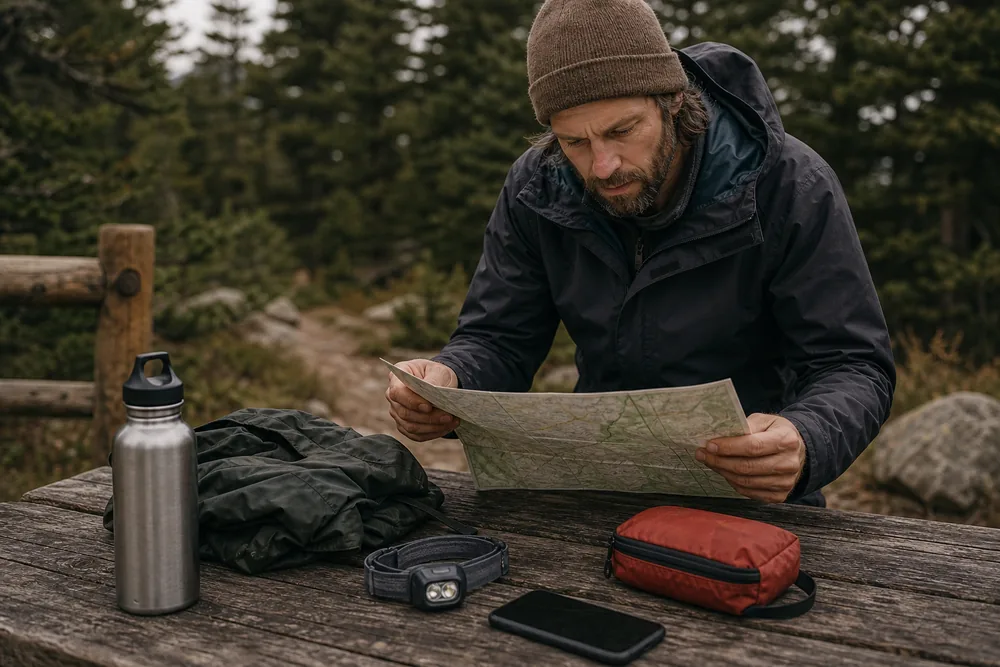
Use simple field decisions to prevent the small mistakes that turn a normal hike into a rescue problem.
Read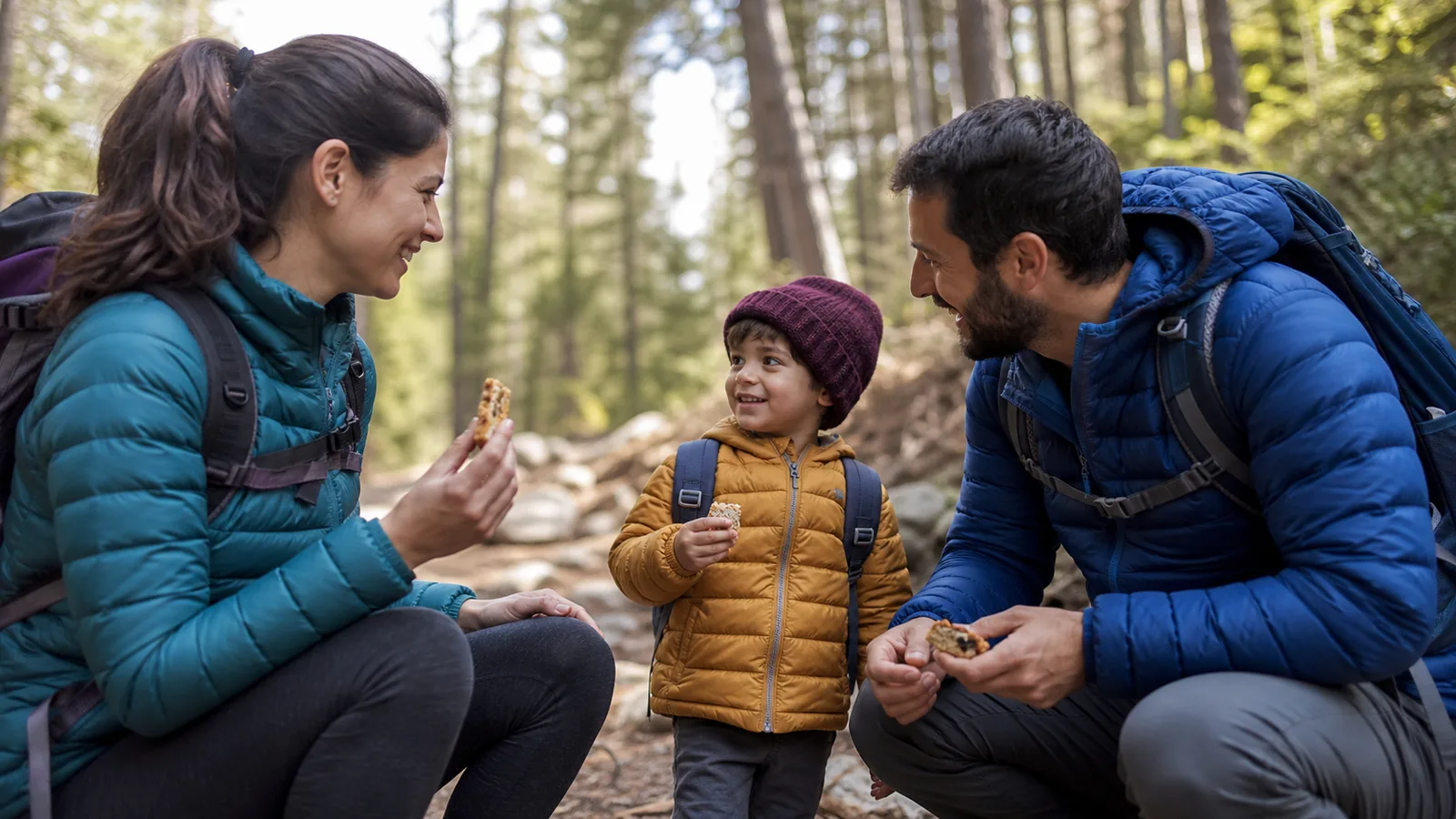
Choose the route for attention, snacks, safety boundaries, and the walk back.
Read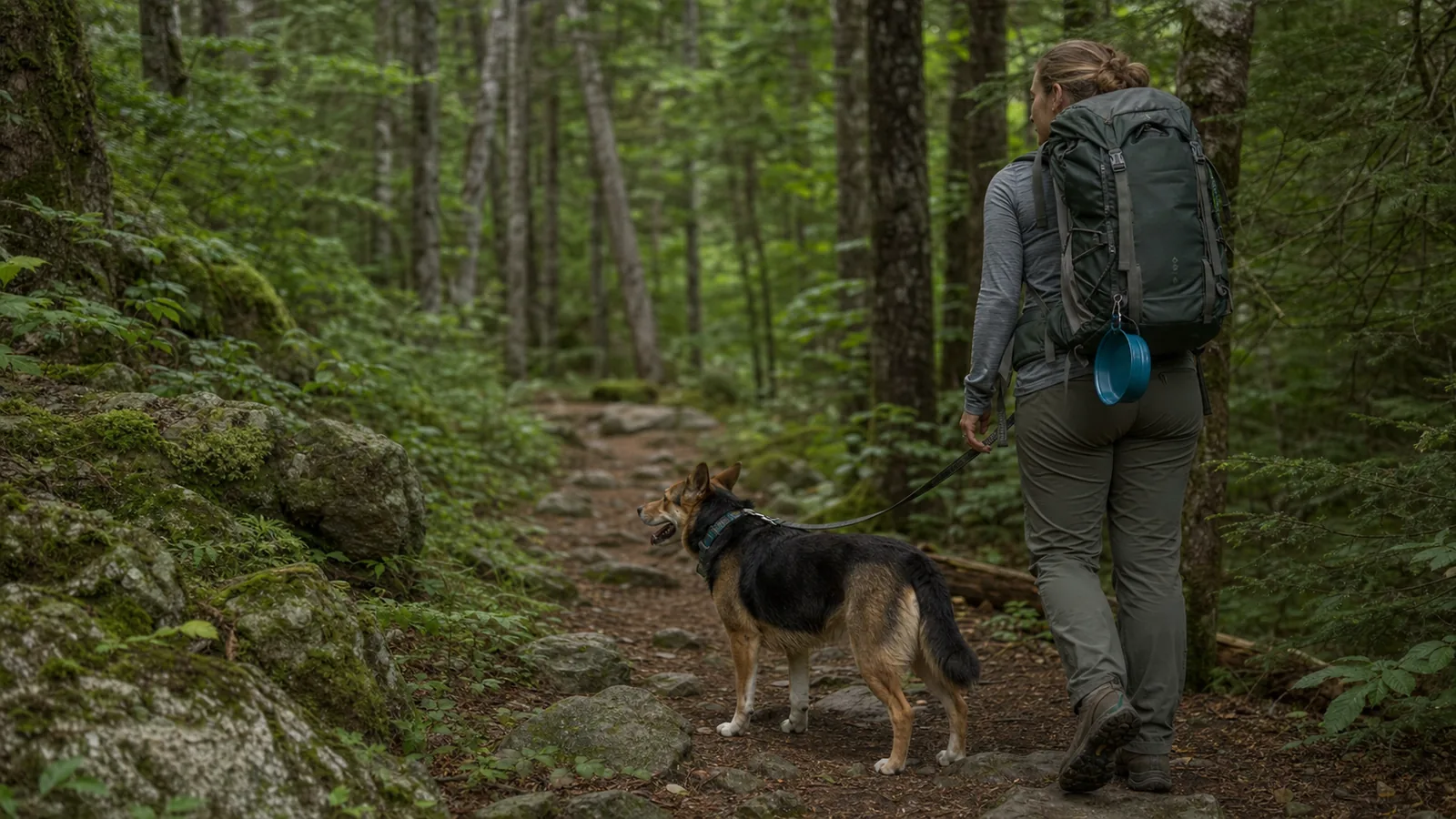
Check access first, then plan for leash control, paws, heat, water, and wildlife.
Read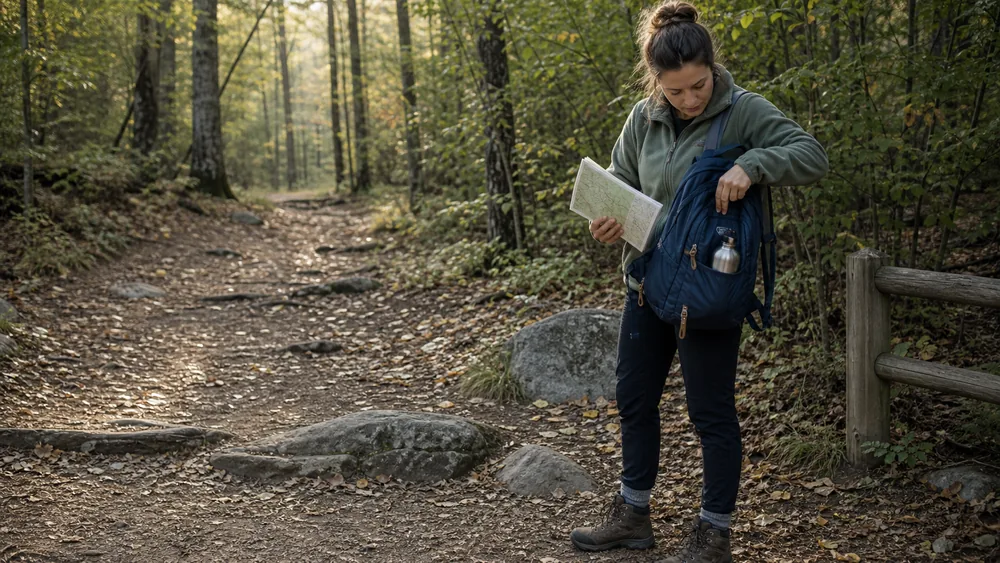
Pick an easy first trail, carry the right basics, and finish with enough energy to want another hike.
Read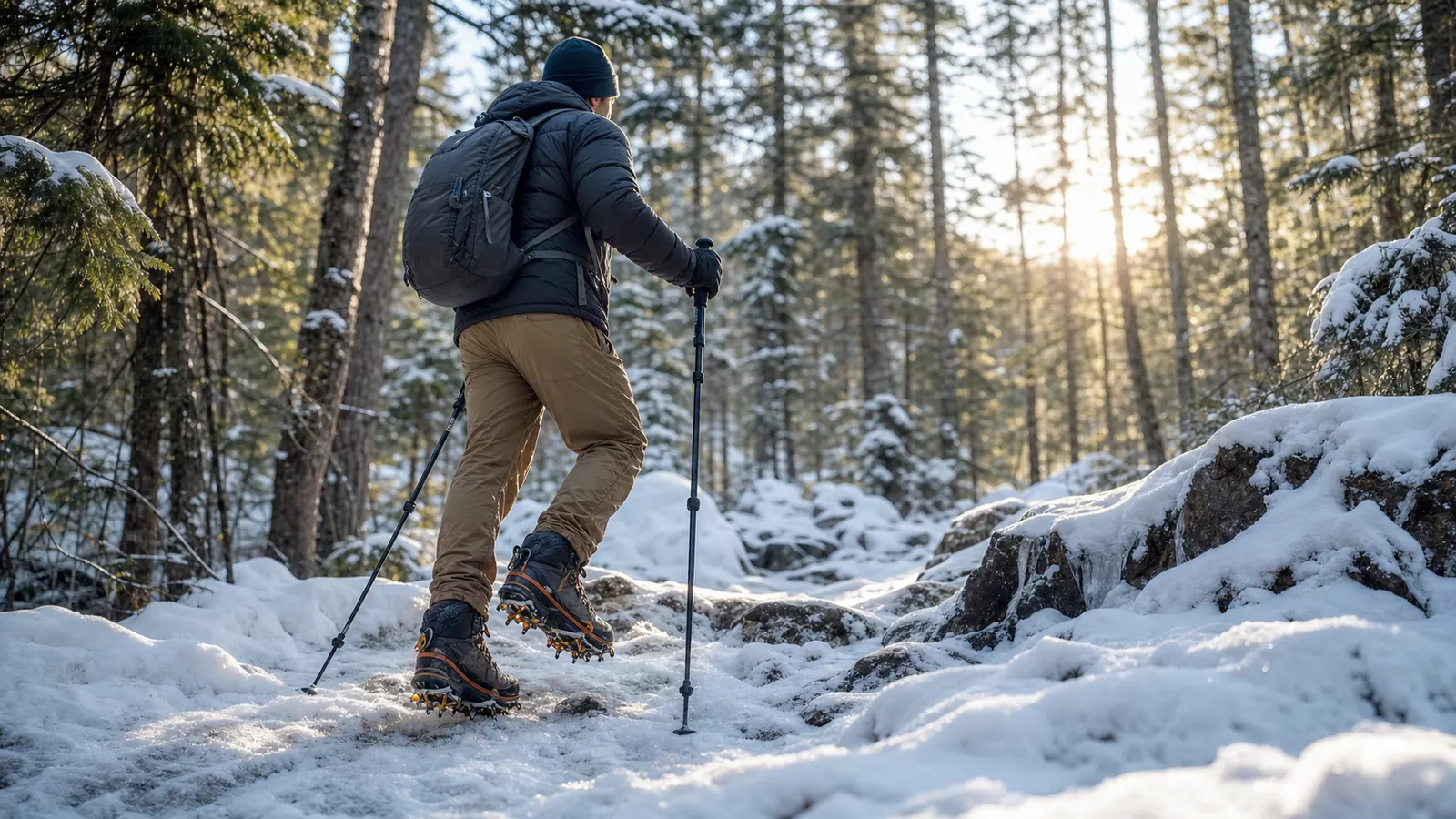
Plan for shorter daylight, colder stops, traction, and faster consequences.
Read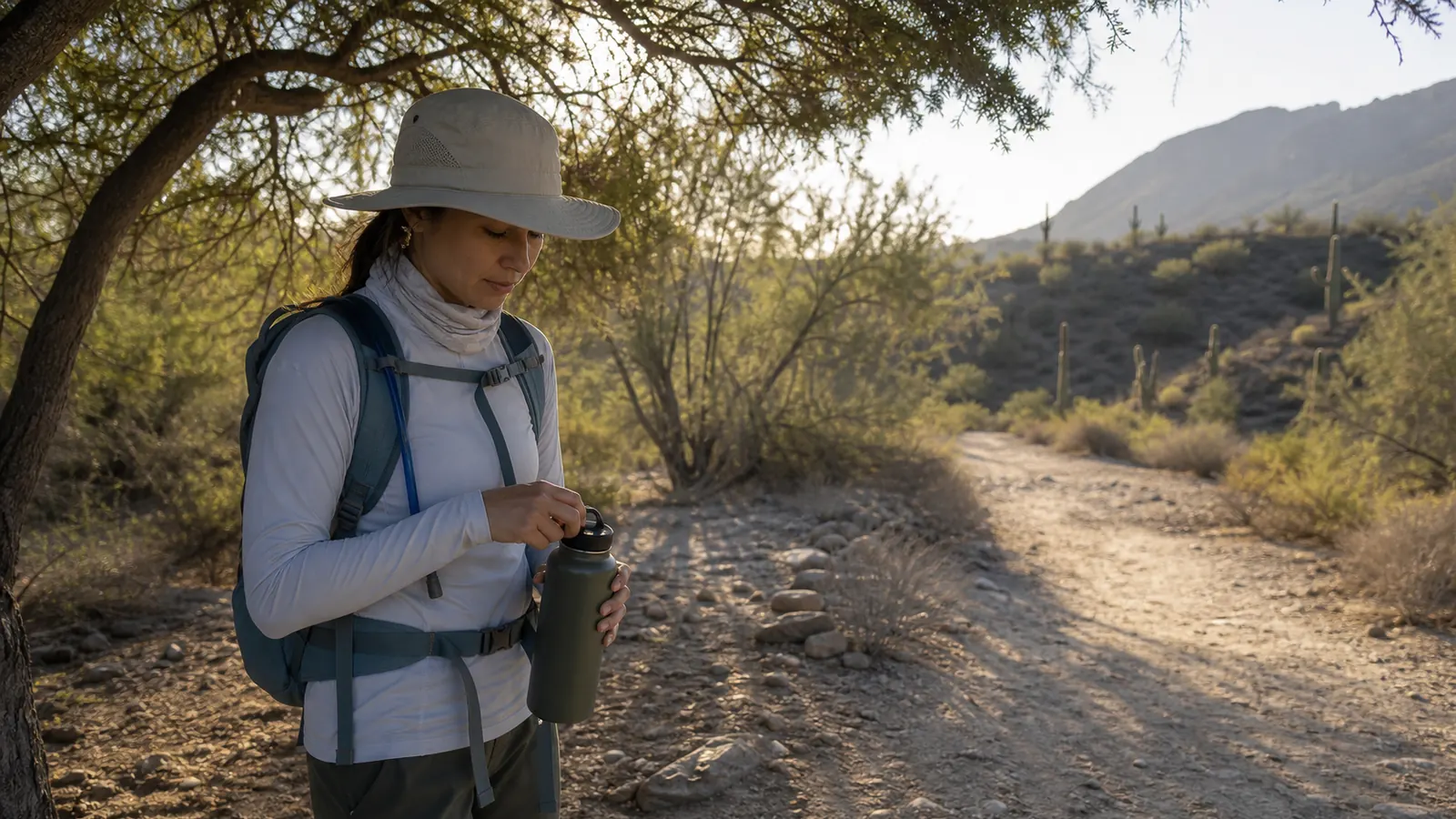
Plan hot hikes around shade, water, pace, timing, and early warning signs before heat starts making decisions for you.
Read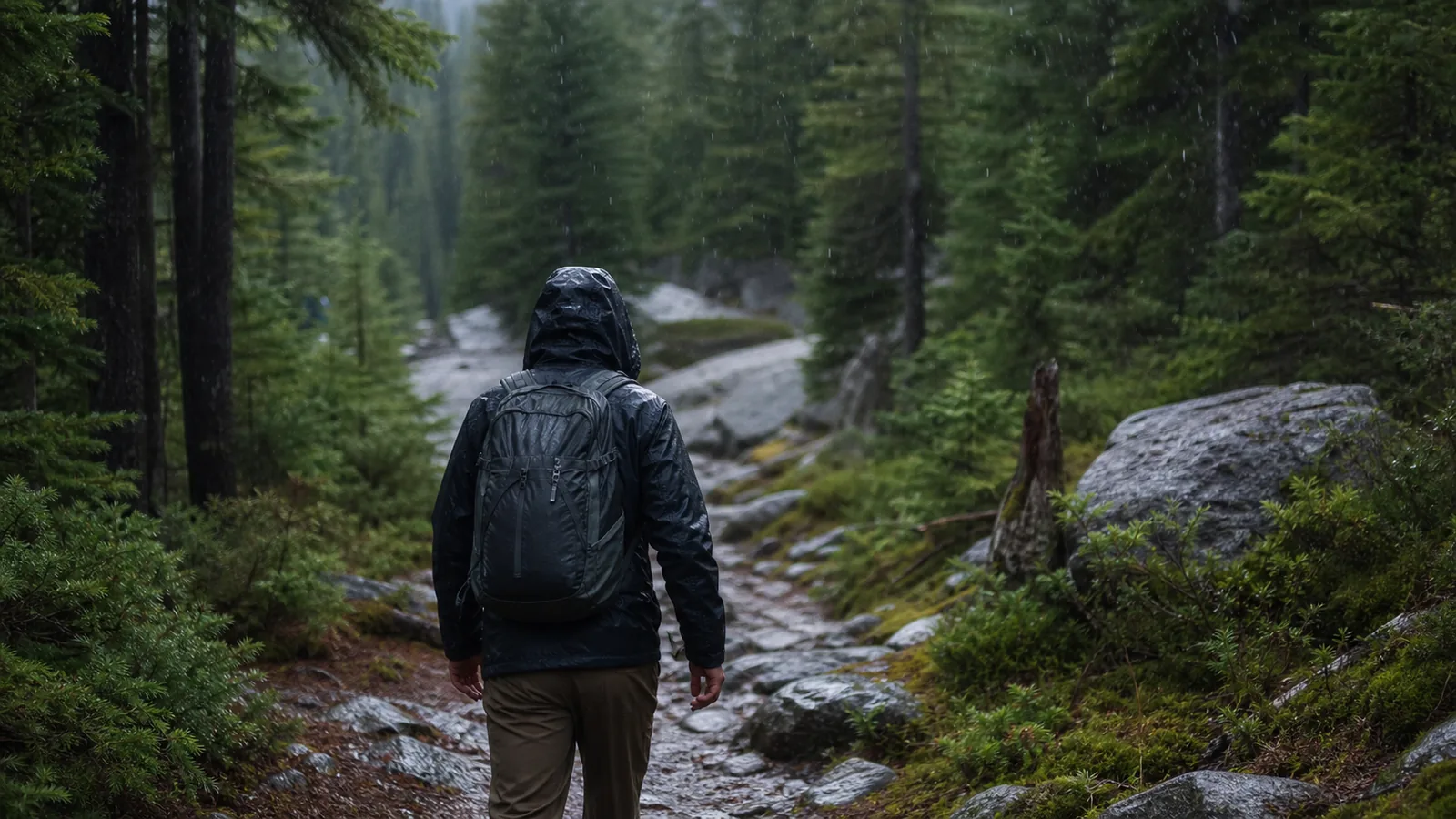
Stay dry enough, keep footing honest, and turn around before wet turns into cold.
Read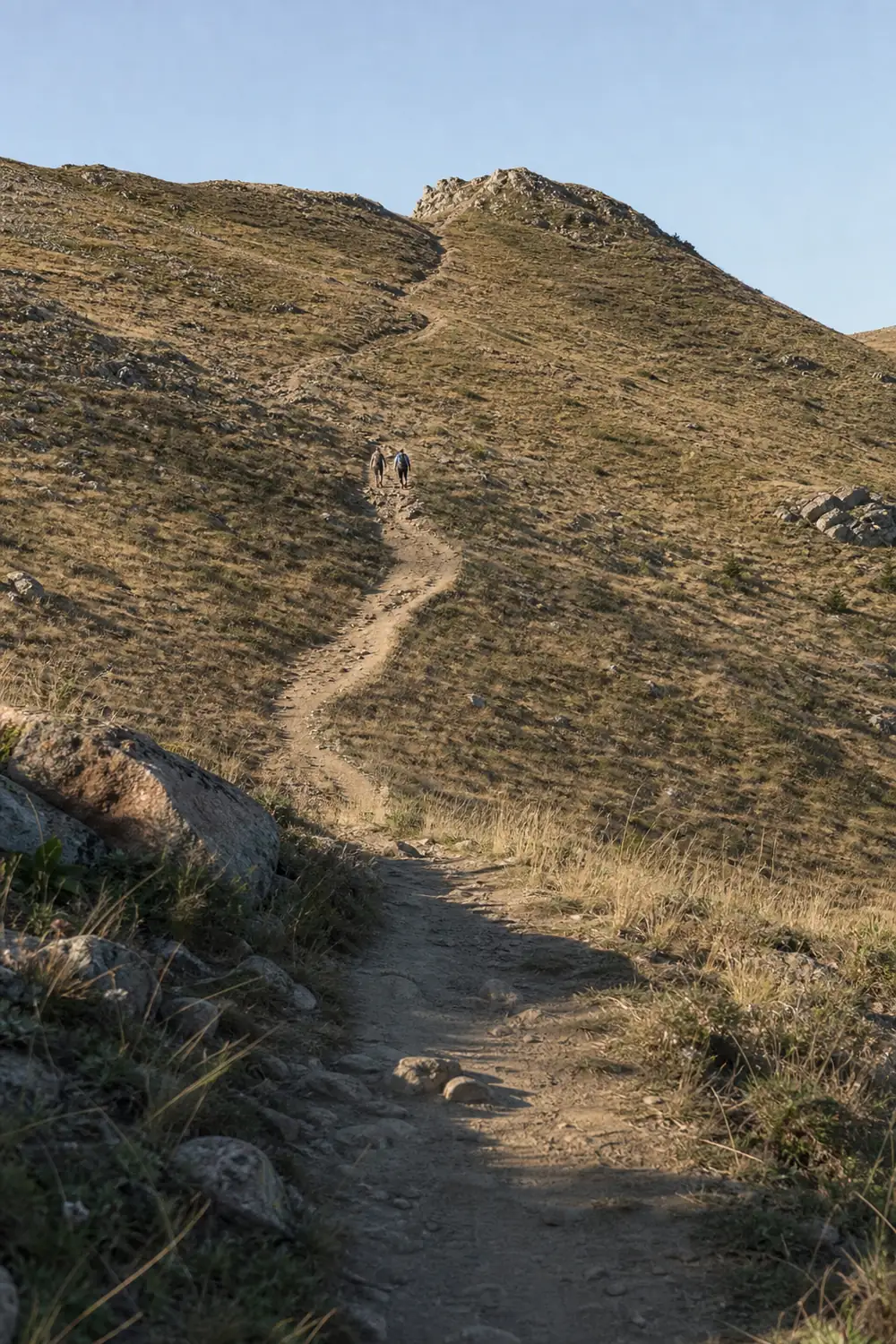
Judge a day hike by climb, terrain, and exit options rather than by distance alone, then pick the version of the route your current fitness can finish with something left over.
Read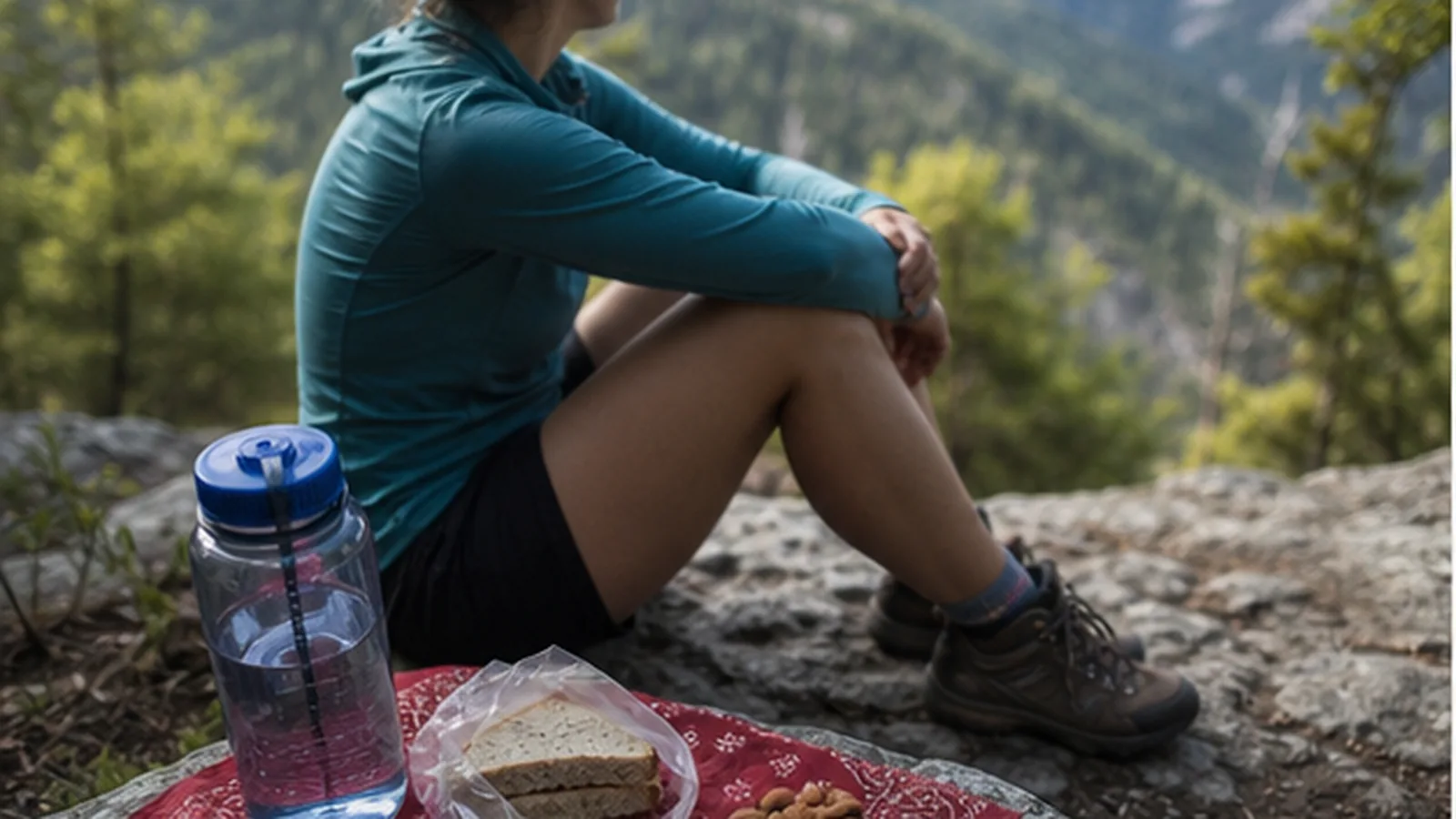
Fuel a day hike by eating before you feel empty, pairing snacks with water, and saving one small reserve for delays.
Read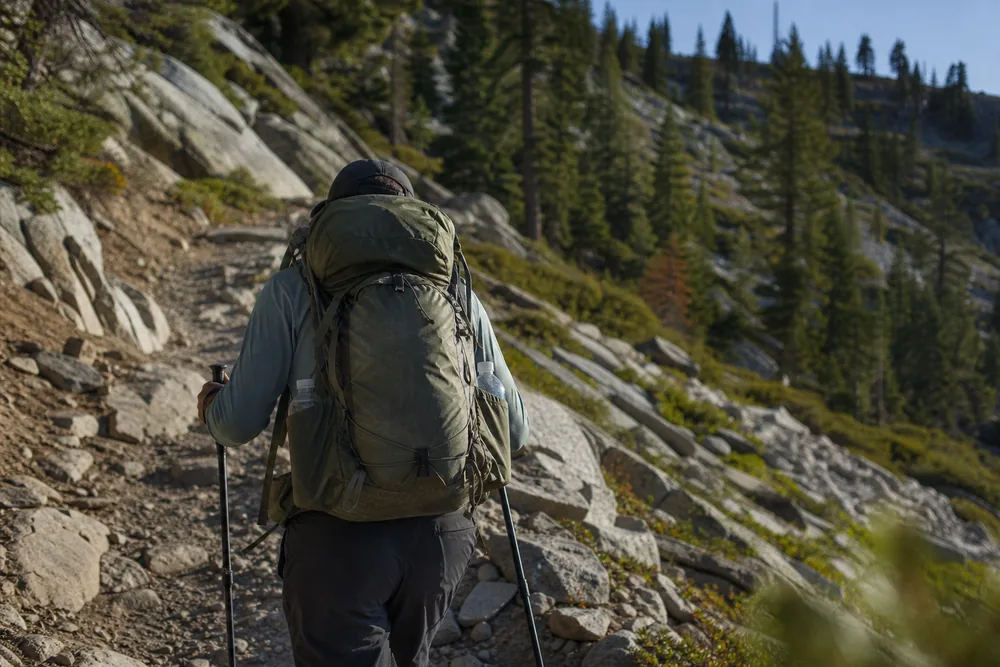
Carry a heavier than usual day load without wrecking your shoulders or your knees, using load placement, a hipbelt you actually tighten, and a shorter step on the way down.
Read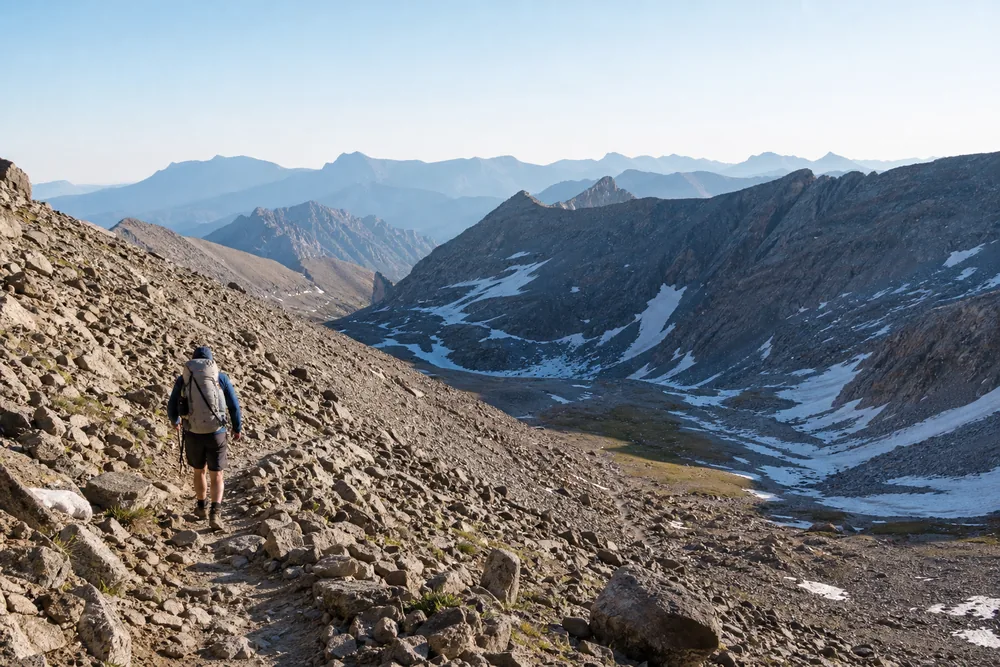
Thin air changes your pace, your water needs, and your margin for error long before it changes your legs, and a single day gives you no time to adapt.
Read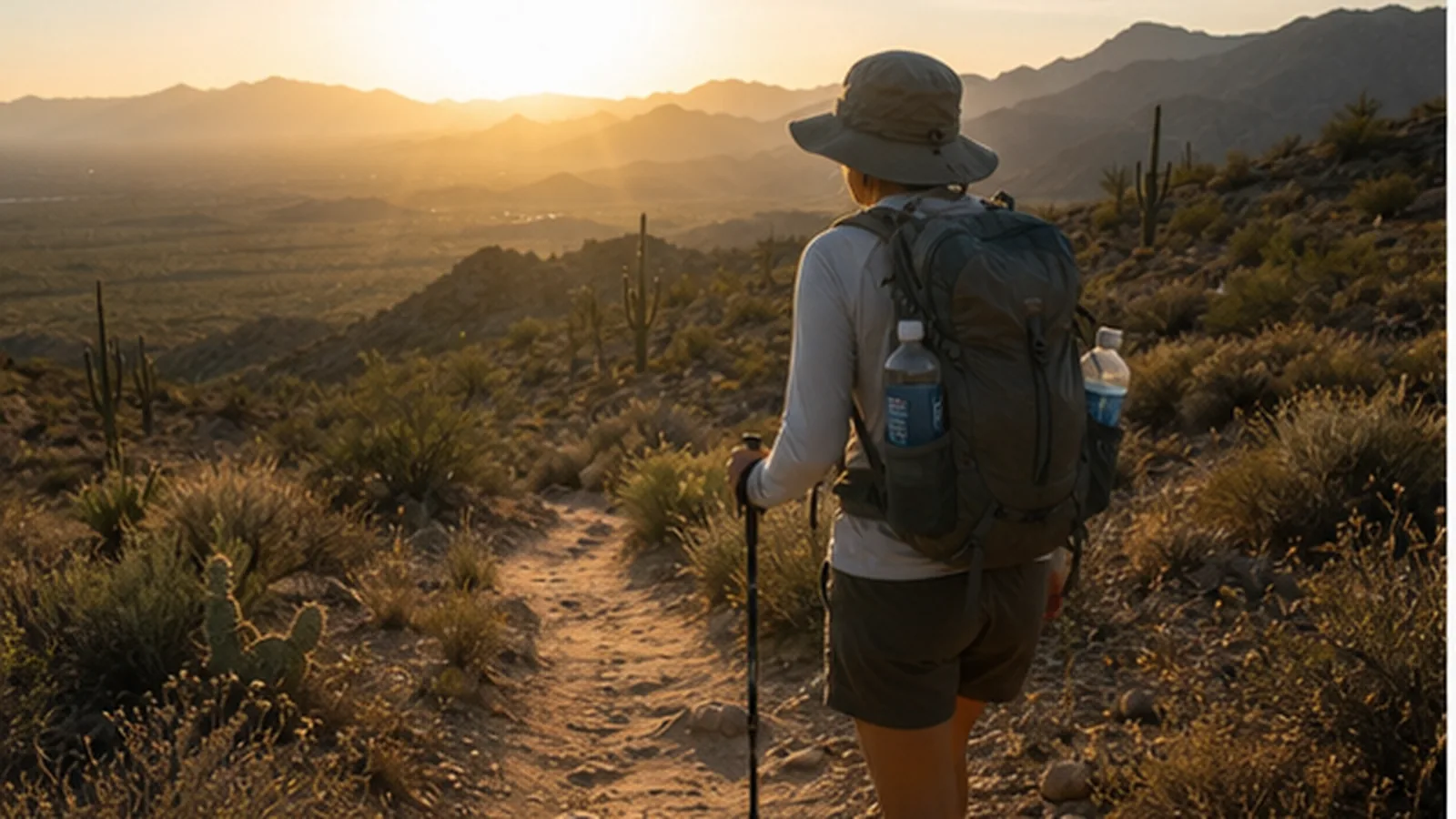
Hike hot weather by moving early, lowering the objective, drinking before thirst, eating salt, resting in shade, and turning around before symptoms decide for you.
Read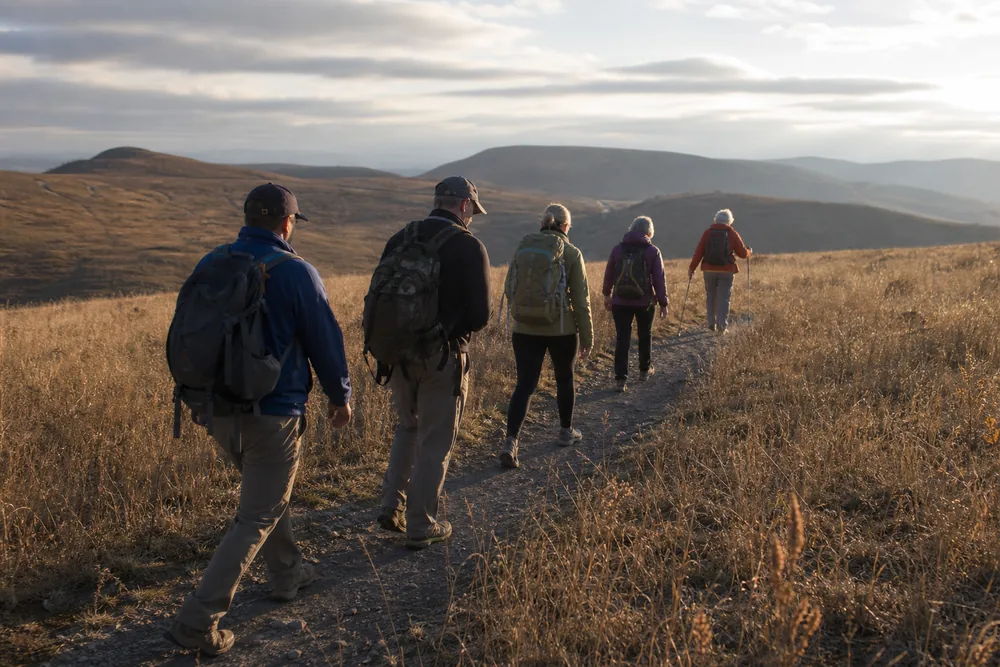
Put the slowest hiker at the front, judge effort by whether they can still speak in full sentences, and regroup at places rather than at intervals.
Read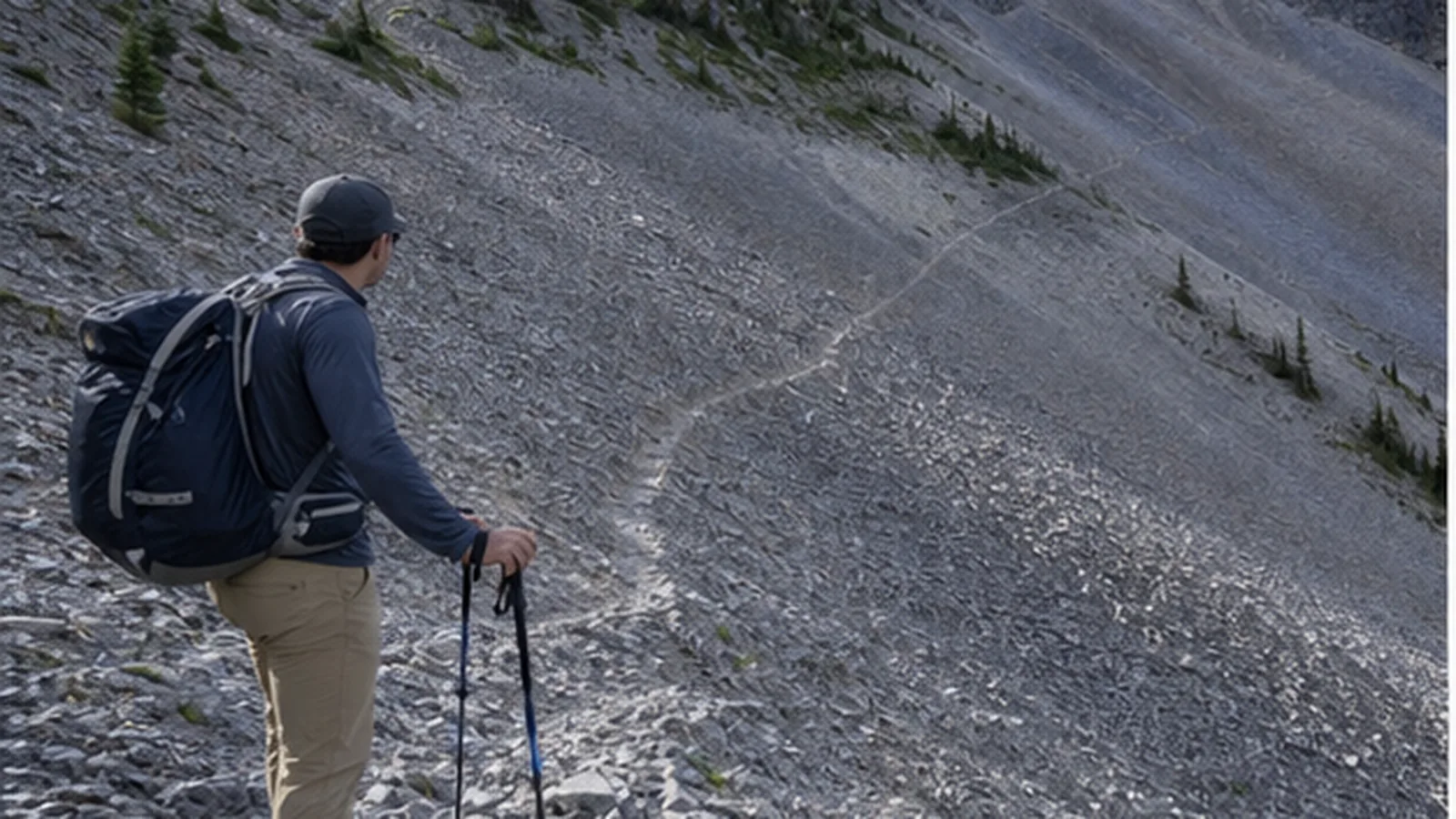
Hike loose rock by testing each step, spacing the group, using poles for balance, and turning around before the slope controls your speed.
Read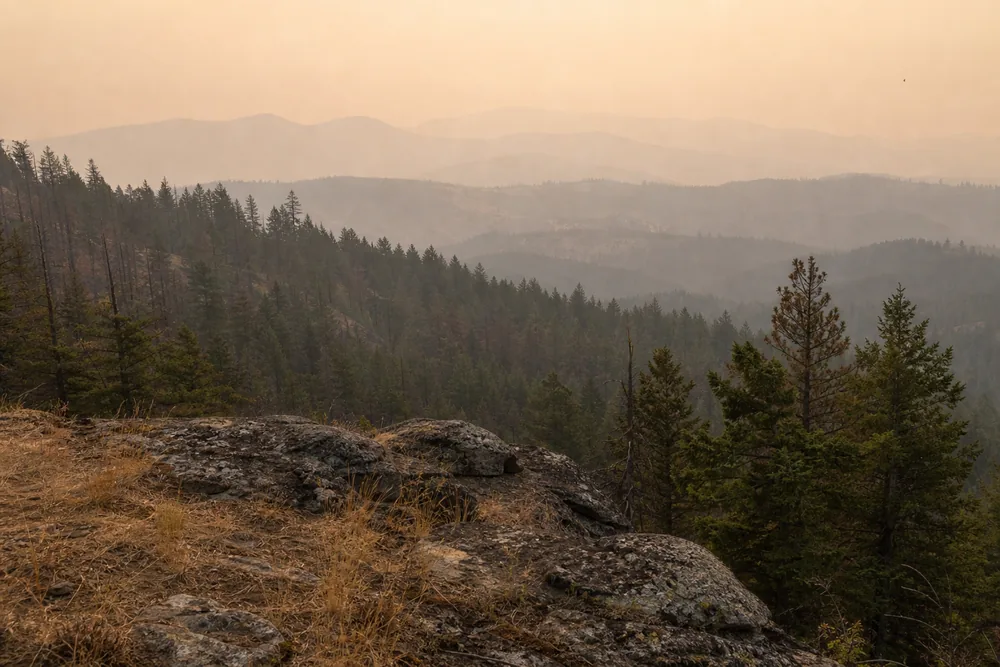
Fire season changes two things independently of each other, the air you breathe and the land you are allowed to walk on, and both move faster than the plan you made in spring.
Read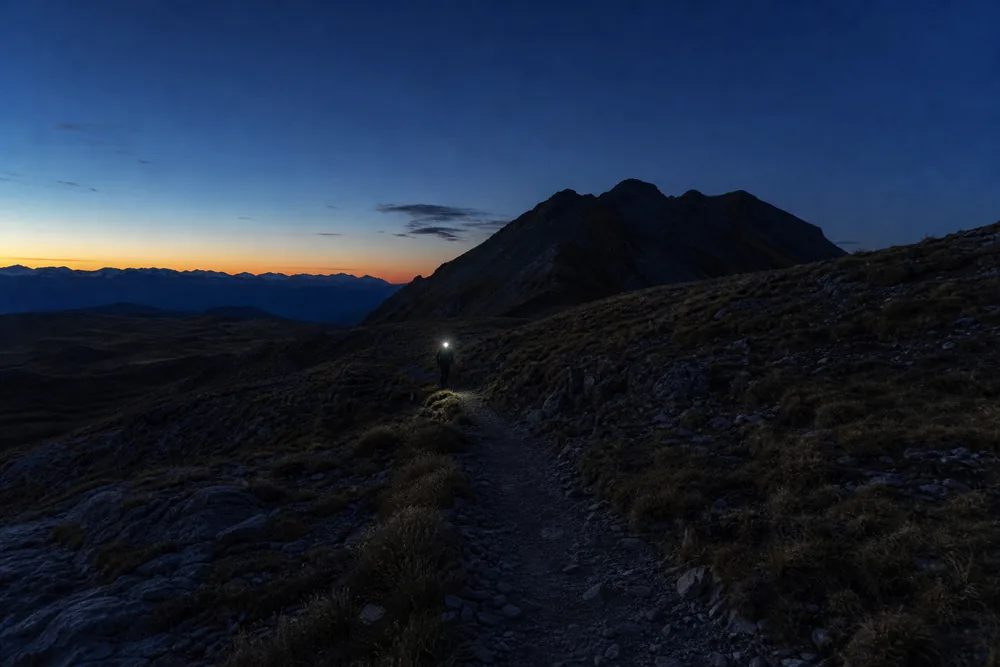
Time a dawn or dusk hike backwards from civil twilight, carry two lights, and plan the leg you walk in the dark before the one you walk toward the view.
Read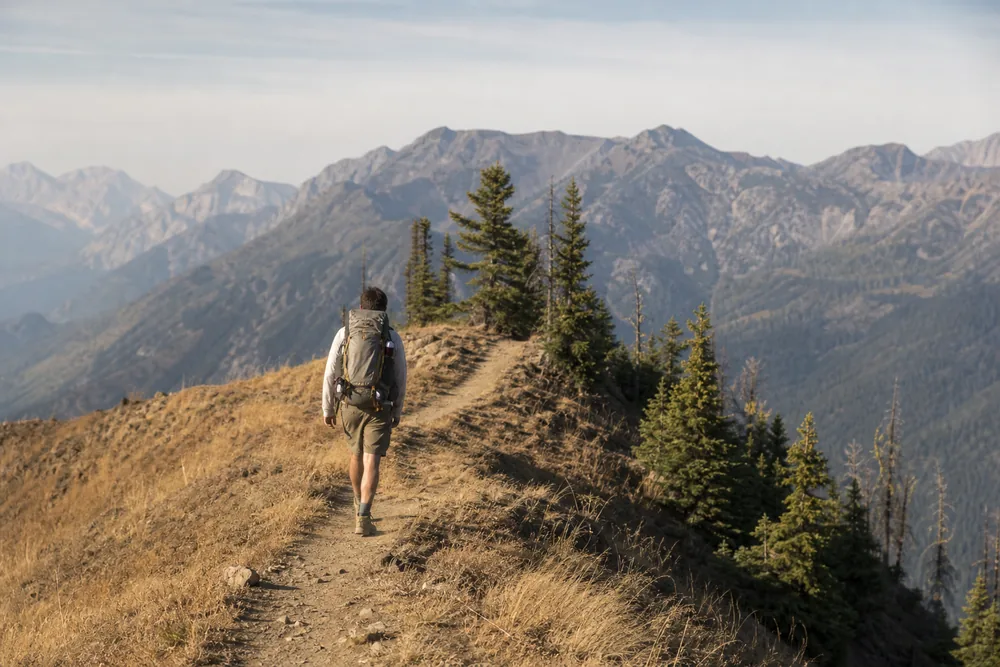
Where chafe starts, what stops it, and how to fix a hot spot before it ends your day.
Read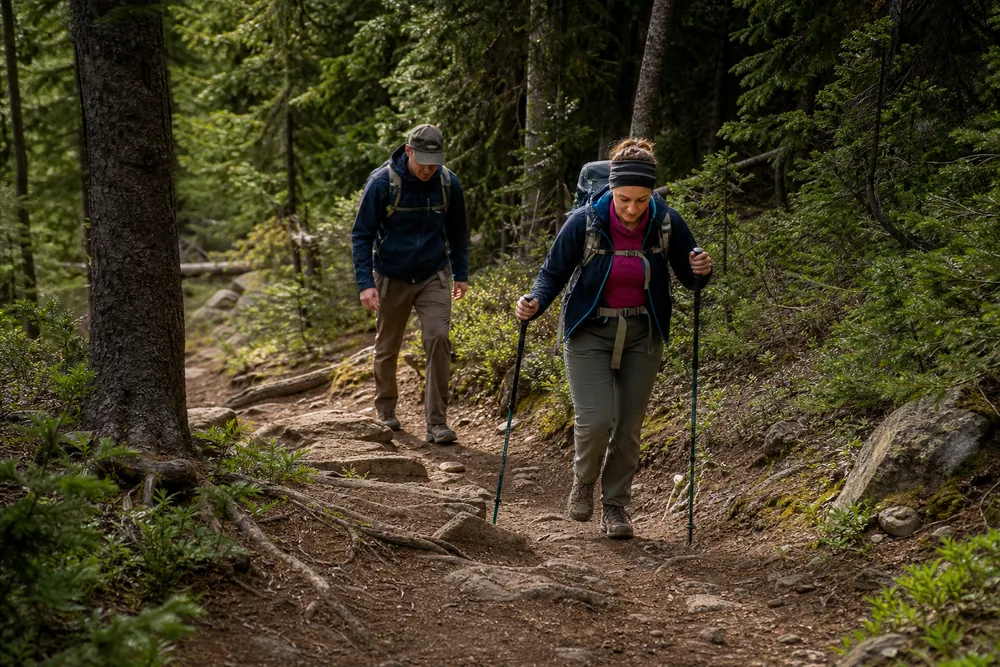
Understand what hiking trains, what it does not train, and how to make a route fit your body.
Read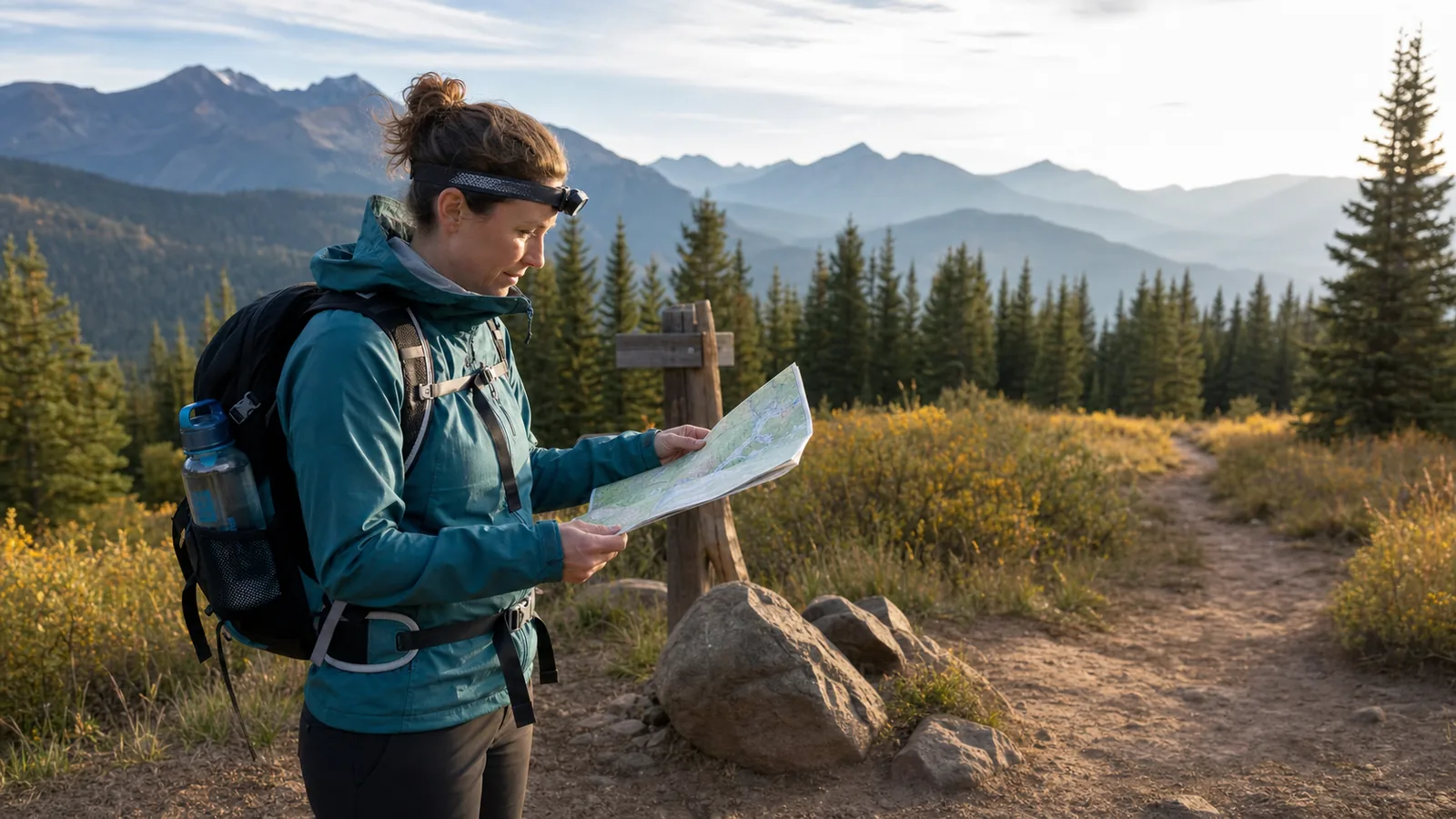
Use a route, check-in, and turnaround plan that still works when you are the whole team.
Read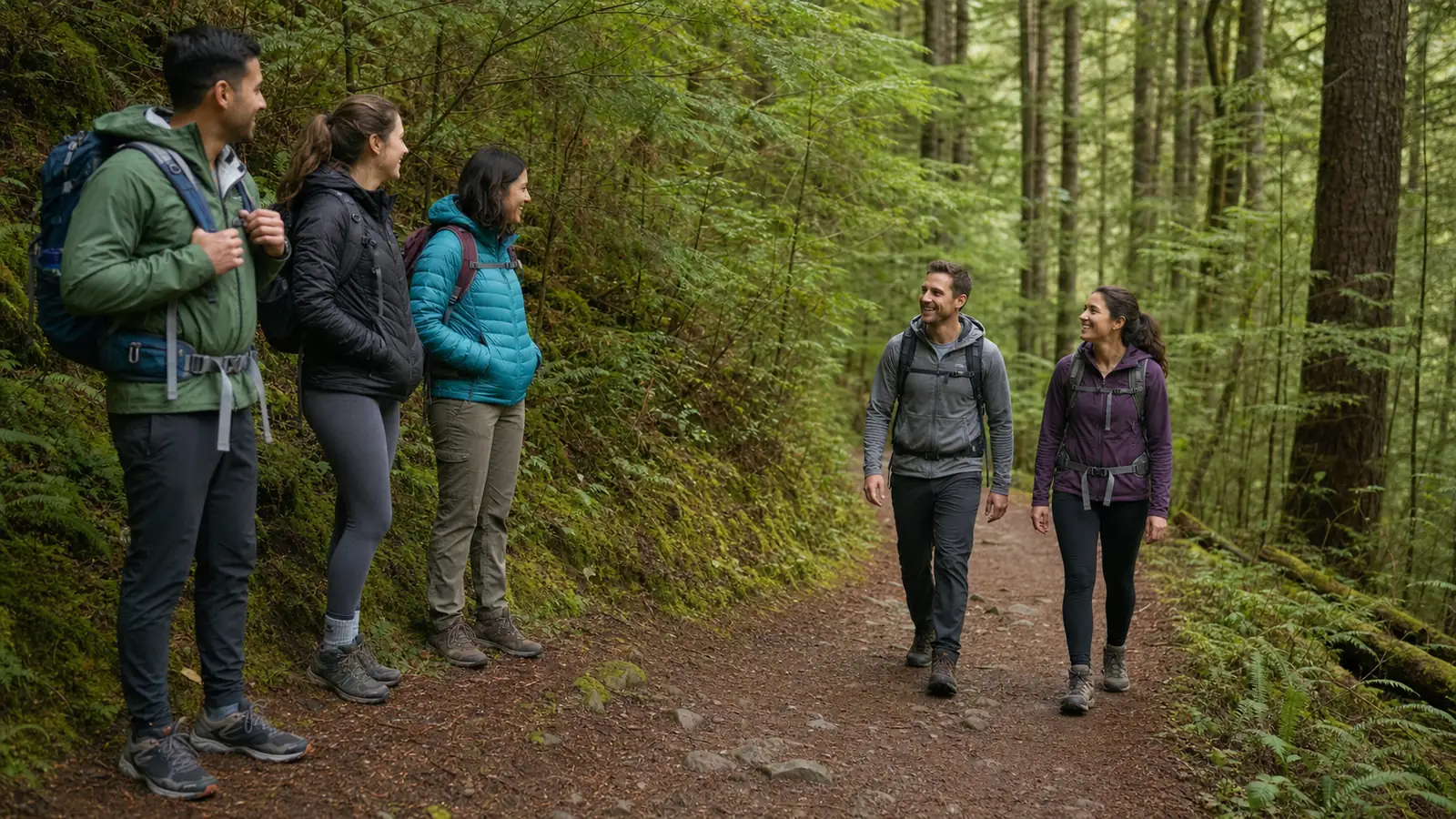
Share the trail clearly, protect the tread, and make passing easy.
Read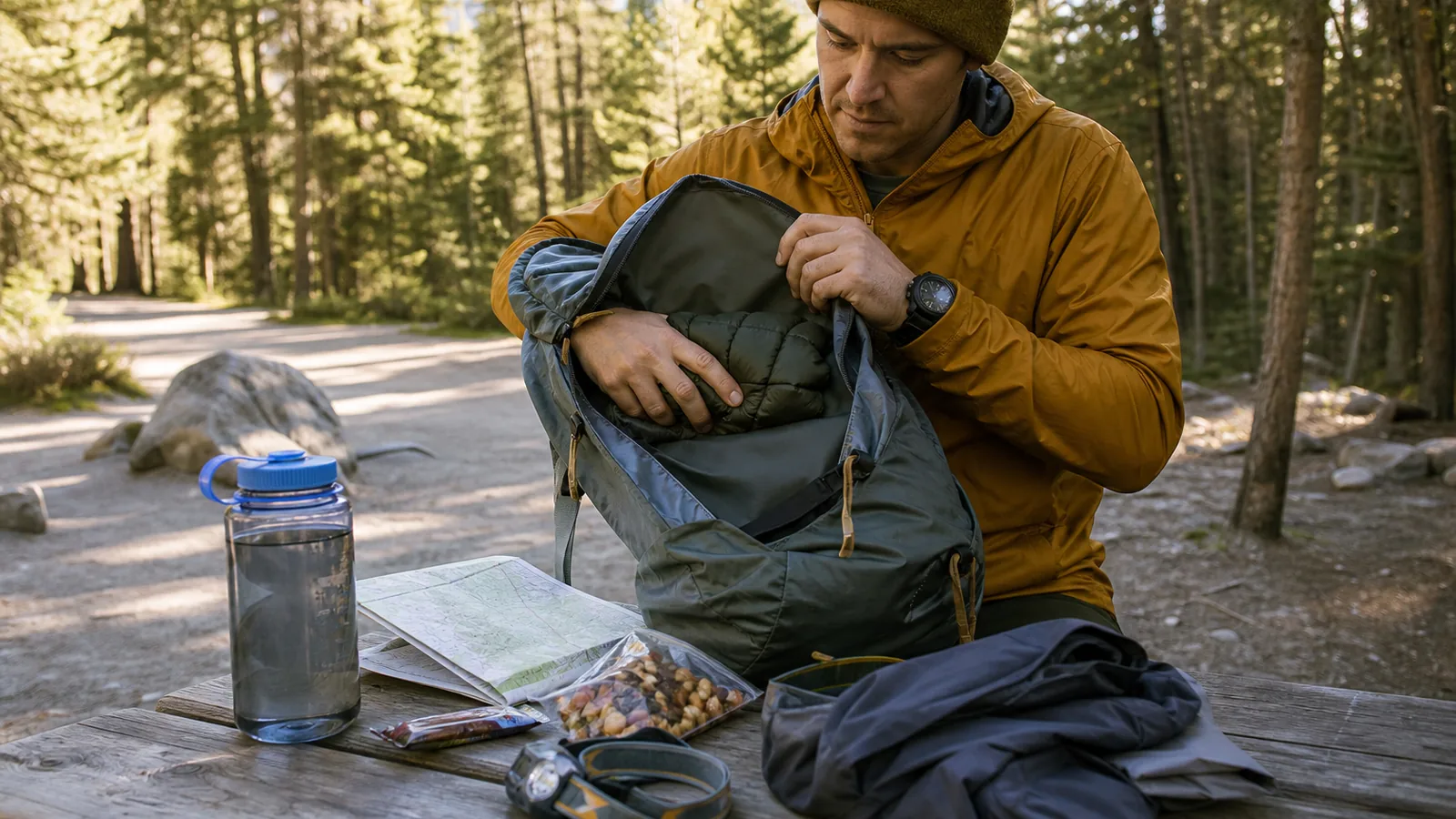
Pack for the problems the trail can actually create.
Read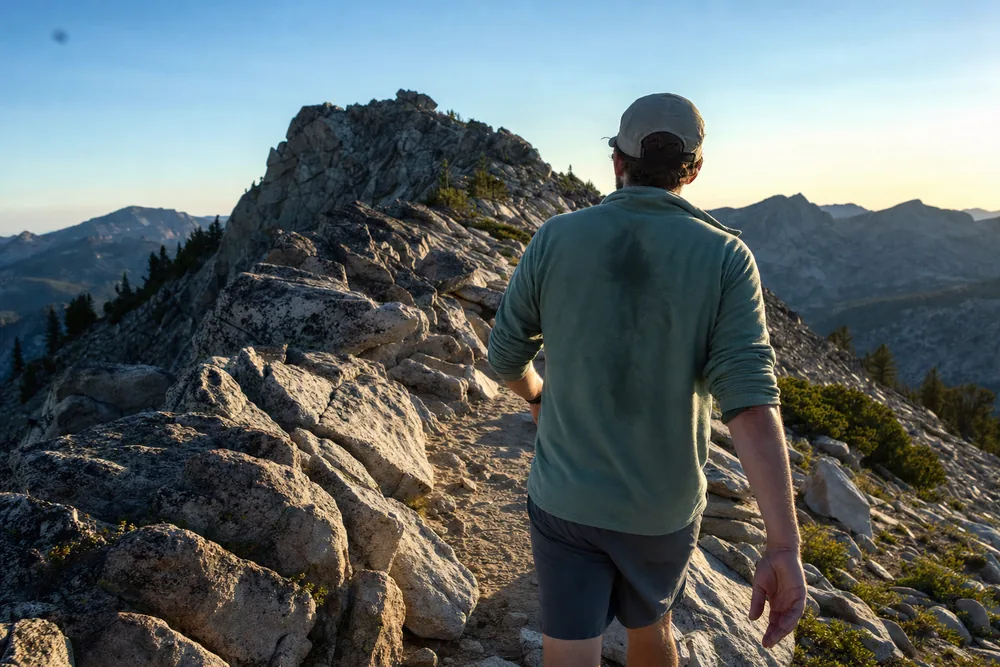
Dress for hiking by layer function rather than by garment count, so you can shed heat on the climb, hold it at the top, and stay dry enough to keep going.
Read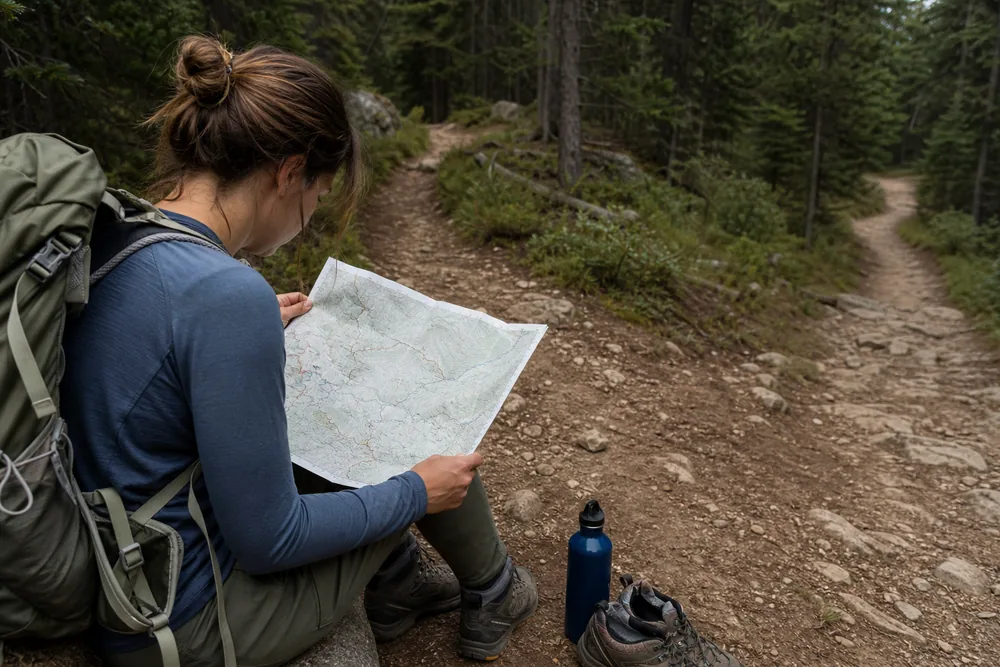
Match a trail to your time, fitness, season, group, and comfort before the trail makes the decision for you.
Read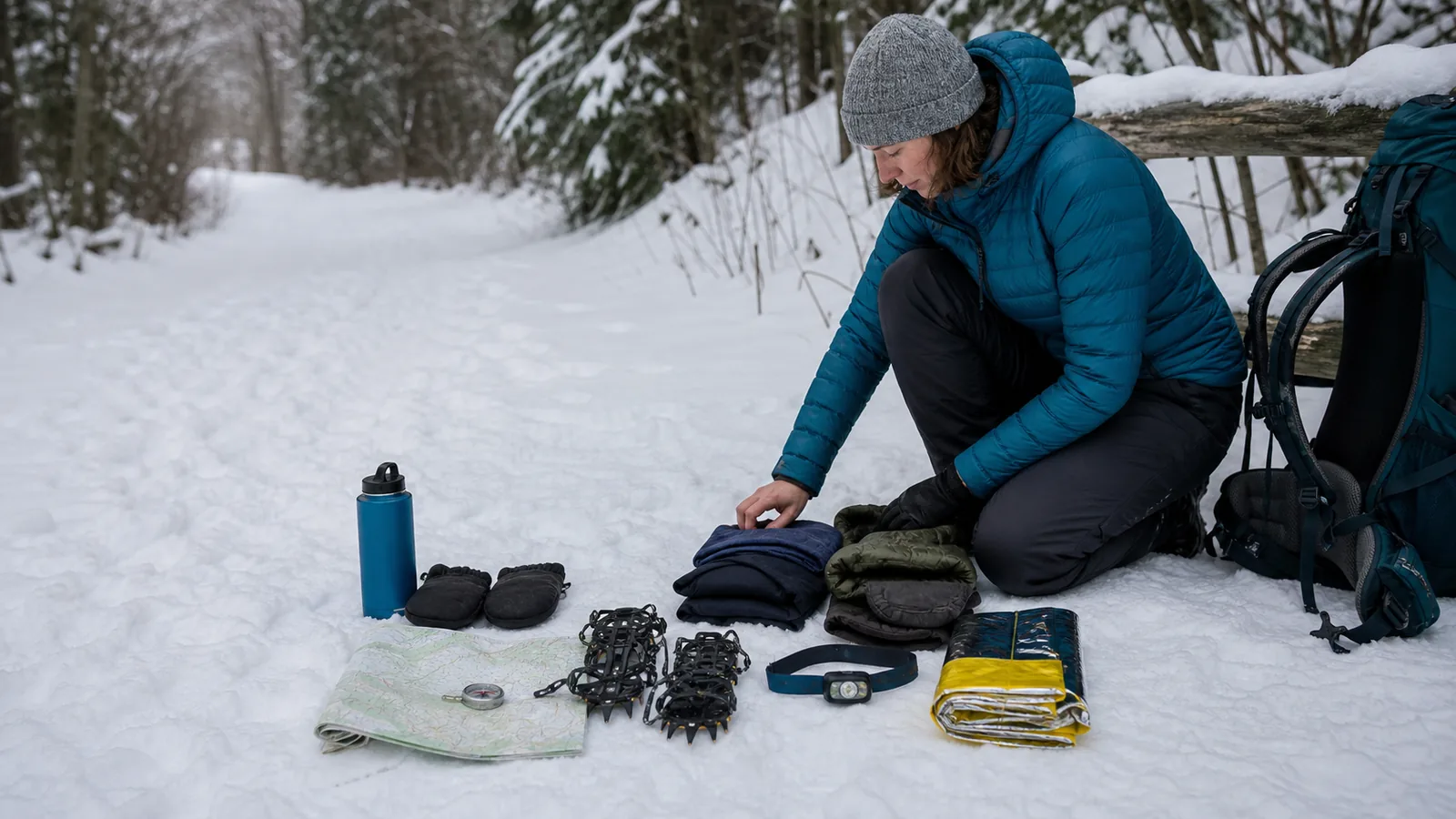
Choose winter hiking gear from the surface, wind, temperature, daylight, and consequences of an unplanned stop.
ReadNo guides at this level yet.
The skills, gear, safety, and planning that make every hiking trip work.