
Plan Trek Rest Days Around Recovery, Altitude, and Exits
Put low-load days where they protect the hardest stages instead of spacing them by habit.
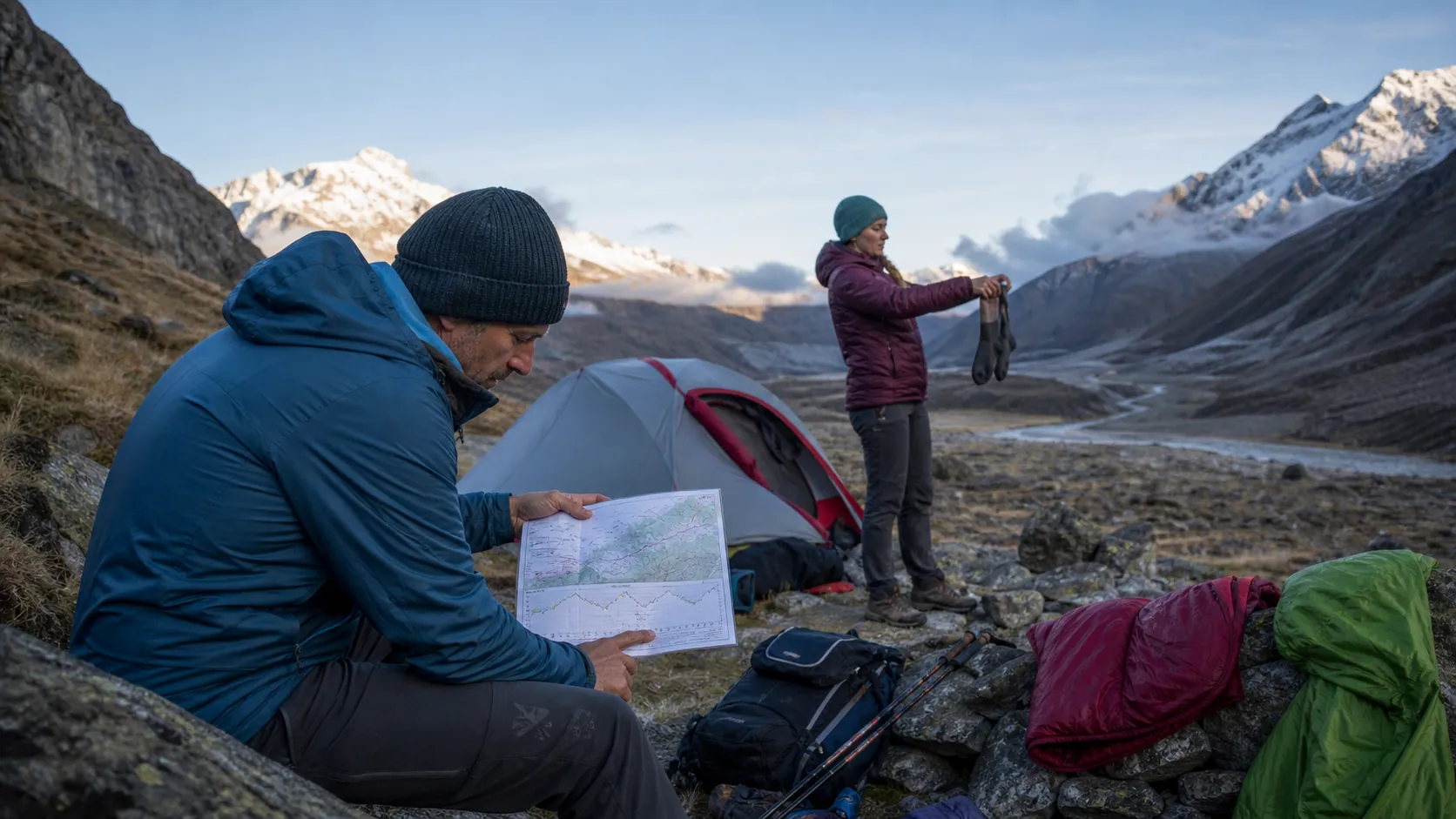
You should plan a rest day before the first stage that depends on full recovery, not automatically after a fixed number of walking days. On a high-altitude trek, your extra time belongs where sleeping elevation must rise slowly because an acclimatization day and a full recovery day may serve different purposes.
Rest-day planning thresholds
- 1 recovery dayCommon starting pointUseful in many five-day to seven-day trekking blocks
- 500 mDaily sleeping-altitude ceilingCDC guidance above 3,000 m
- 1 extra nightAcclimatization allowanceFor each 1,000 m of sleeping-altitude gain
- 24 hoursPractical recovery windowTime for sleep, food, foot care, and route repair
These numbers are planning references, not promises. Route load decides placement because five easy valley days create a different recovery need than two steep stages with a heavy pack.
Your schedule needs named decision points. Write down which night can extend, which stage can shorten, and which transport option still works if the group takes an extra day.
How many rest days should a trek include?
For a moderate trek, begin by testing one low-load day in each five to seven day block, then adjust for the route. A short beginner trek may need no scheduled full day, while a long or heavily loaded route needs more margin.
Count the stressors rather than the calendar. Daily climb and descent, rough footing, pack weight, sleep quality, altitude, heat, cold, and back-to-back trekking fitness all affect when normal fatigue becomes accumulated fatigue.
A person can complete one hard day on motivation and still be poorly prepared for the next morning. Repeated-day performance is the useful measure for a trek.
| Route pattern | Starting approach | Why |
|---|---|---|
| 3 to 4 moderate days | No fixed full day, but keep a short-stage option | A rigid stop may add little if stages are conservative |
| 5 to 7 demanding days | One planned low-load or zero-mile day | Recovery can protect the hardest later stage |
| High-altitude ascent | Extra nights based on sleeping elevation | Acclimatization limits ascent even when legs feel strong |
| Hut route with fixed bookings | Reserve a flexible two-night stop where possible | One location can absorb weather or fatigue |
| Remote route with few exits | Add contingency time before commitment points | A delay is useful only where the route allows it |
You should not treat one rest day as permission to overbuild every other stage. If the itinerary requires maximum pace before and after the stop, the rest day is hiding an unrealistic schedule.
Margin belongs throughout the trip. The first trekking itinerary should include conservative walking days as well as recovery time.
Rest days belong before the hard section, not after
You should place the rest day before the section with the highest consequence for arriving tired. A multi-day trek test should reveal whether that means a high pass, long dry carry, remote traverse, or several days without an easy exit.
A useful location also has water, shelter, food access if needed, and a realistic way to shorten or extend the stay. A beautiful campsite with no safe day-hike option and no extra food is a poor recovery base.
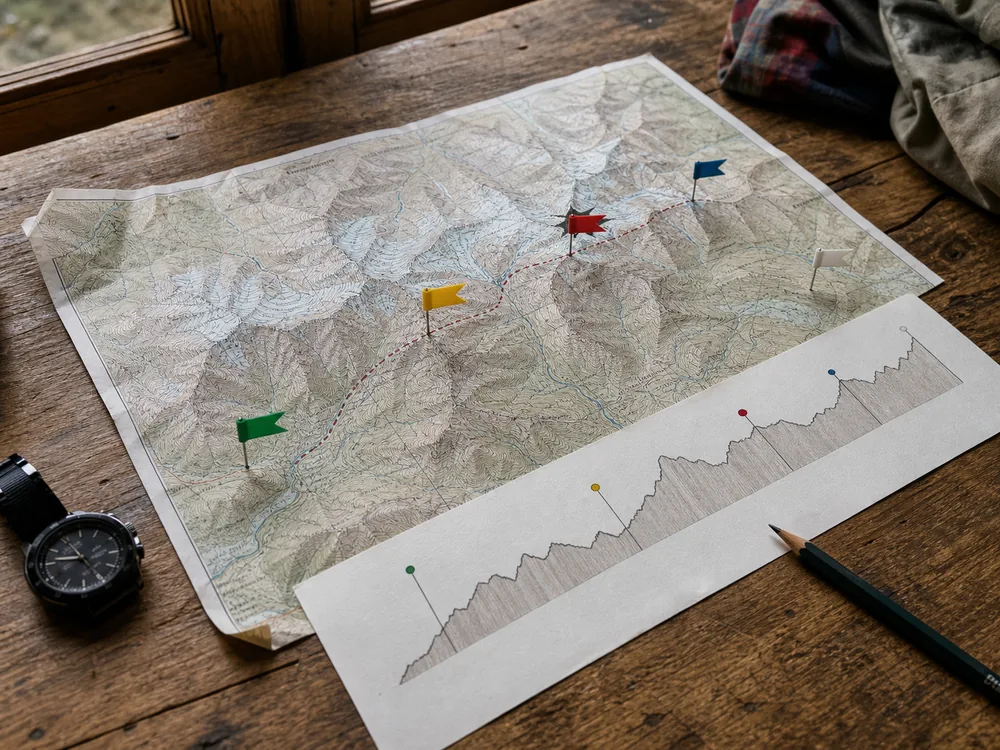
You also need to consider cumulative descent, not only climbing. Long descents can leave quadriceps and feet sore even when the elevation profile appears easy.
Resupply towns are convenient but can consume recovery time through errands, laundry, shopping, and transport. Decide which trekking food and repair tasks are essential before arriving.
Protect the next commitment. Put the pause where fresh legs, clear judgment, and repaired gear will matter most.
Is an acclimatization day the same as a rest day?
An acclimatization day limits the rise in sleeping elevation, while a recovery day reduces physical load. One day can serve both purposes only when its activity remains easy enough for the person and the group.
The CDC advises travelers above 3,000 meters to increase sleeping elevation by no more than about 500 meters per day and add an extra night for each 1,000 meters gained. A sustainable high-altitude pace still has to respect those sleeping limits.
An easy walk to a modestly higher point followed by sleep at the same elevation may help acclimatization, but a long steep side trip is still a hard day for the legs. Keep acclimatization planning separate from ordinary soreness decisions.
You should record the sleeping elevation for every night. The highest point reached during the day matters for exposure, but the overnight change is the number used to control the ascent schedule.
Sleep height sets the rule. Strong fitness does not allow you to compress a safe ascent schedule.
A rest day still has jobs to do
Sleep, eat, drink to thirst, inspect your feet, dry wet equipment, repair small failures, and update the next stages. Early foot care between stages prevents a small hot spot from changing tomorrow's stride.
- Eat a normal breakfast and a full recovery meal rather than skipping food because mileage is low.
- Dry socks, footwear, insulation, shelter, and sleeping gear.
- Clean and cover hot spots before they become blisters.
- Check pack straps, pole tips, stove fuel, filter flow, batteries, and repair tape.
- Recheck weather, water, transport, hut, permit, and exit information.
- Confirm how every person feels instead of asking only who can continue.
Recovery is not proven by sitting still for several hours. Appetite, sleep, walking comfort, mood, and a normal stride provide more useful information about readiness.
You can use the afternoon to rebuild the trekking pack layout for the next stage. Water treatment, layers, navigation, snacks, and foot care should remain reachable without emptying the pack.
Repair small losses now. A slow filter, damp sleeping bag, loose boot lace hook, or tender heel becomes harder to manage after another full stage.
Should a rest day be completely inactive?
Complete rest is appropriate when illness, injury, severe fatigue, or poor sleep makes even light activity unhelpful. For ordinary stiffness, a short easy walk and gentle movement may feel better than remaining still all day.
You should keep the effort conversational and the duration modest. The test is simple: the activity should leave you more ready for tomorrow, not proud of another training day.
You should avoid a new hard massage, unfamiliar medication, or aggressive mobility routine during the trek. A recovery day should remove uncertainty rather than introduce another variable.
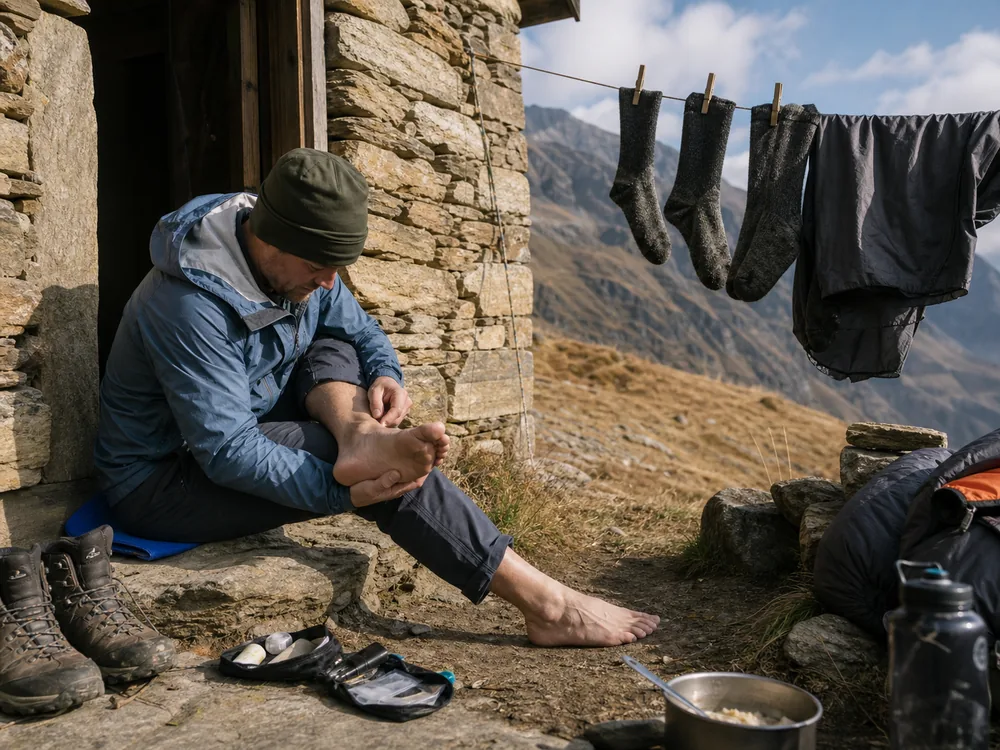
Do not use stretching to force a painful joint through range. Swelling, sharp pain, numbness, weakness, fever, repeated vomiting, or an altered walking pattern calls for a more cautious decision and appropriate medical help.
Recovery should reduce load. If a side trip adds significant climb, pack weight, heat, or altitude exposure, call it a hiking day and plan accordingly.
How do you make a fixed booking schedule flexible?
When the hut system allows it, you can book two nights near a pass, transport connection, or route branch. A planned trek recovery day turns the reservation into a decision point rather than a deadline.
You should check cancellation and change rules before paying. Some huts treat a confirmed stay as binding and may charge for late cancellation or no-show, so weather flexibility has a financial limit.
Two-night base
Keep the same bed while choosing a rest day or an easy local walk.
Short-stage pair
Follow a hard day with a deliberately short transfer instead of a zero-mile stop.
Route branch
Choose between a high route and a lower alternative after checking conditions.
Transport exit
Place recovery near a bus, road, or village where ending early remains possible.
Food reset
Use a resupply stop to reduce carried weight and rebuild the next block.
Never let a prepaid bed force an unsafe crossing. The trekking safety plan should identify where weather, illness, or group pace overrides the booking.
If one member needs more time, discuss the change before the group splits. Separate travel can remove shared gear, navigation ability, and communication at the moment those resources matter.
Flexibility must exist on the map. An extra day helps only when food, permits, lodging, transport, and the chosen route can absorb it.
Some signs mean the schedule is already wrong
Change the plan when recovery is getting worse each morning. A single tired evening is normal, but declining appetite, worsening foot pain, repeated poor sleep, slower pace, irritability, or altered movement across several days shows that load is accumulating.
| Morning check | Continue as planned | Shorten or rest | Exit or seek help |
|---|---|---|---|
| Feet | Mild tenderness with normal stride | Hot spots, growing blister, compensating slightly | Infection signs or inability to bear weight normally |
| Energy | Tired but eating and moving normally | Heavy fatigue after normal sleep | Rapid decline, fainting, confusion |
| Altitude | No symptoms or improving mild symptoms at same height | Symptoms persist, do not sleep higher | Worsening symptoms, poor coordination, breathlessness at rest |
| Weather | Stable within group skill | Delays threaten pass or arrival window | Conditions exceed skills or close the safe route |
| Group | Pace remains repeatable | One person cannot recover between stages | A member cannot continue safely |
The slowest recovering person sets the group's safe schedule. Splitting a group can create new navigation, communication, and emergency problems.
You should compare the same checks each morning instead of relying on a vague feeling. Trekking mistake chains become easier to interrupt when you record sleep, appetite, foot condition, symptoms, and expected pace.
Trend matters more than pride. A shorter day taken early can preserve the trek, while a forced full stage may remove every later choice.
How much contingency time belongs in the itinerary?
Your itinerary needs at least one flexible day when a missed pass window, transport connection, or hut booking would otherwise collapse the trip. Longer or more remote routes may need several flexible days placed near different commitment points.
You need to carry enough food and required medication for the delay in the plan. A spare date on a calendar is not real margin when the group cannot eat, sleep, or remain legally at the stop.
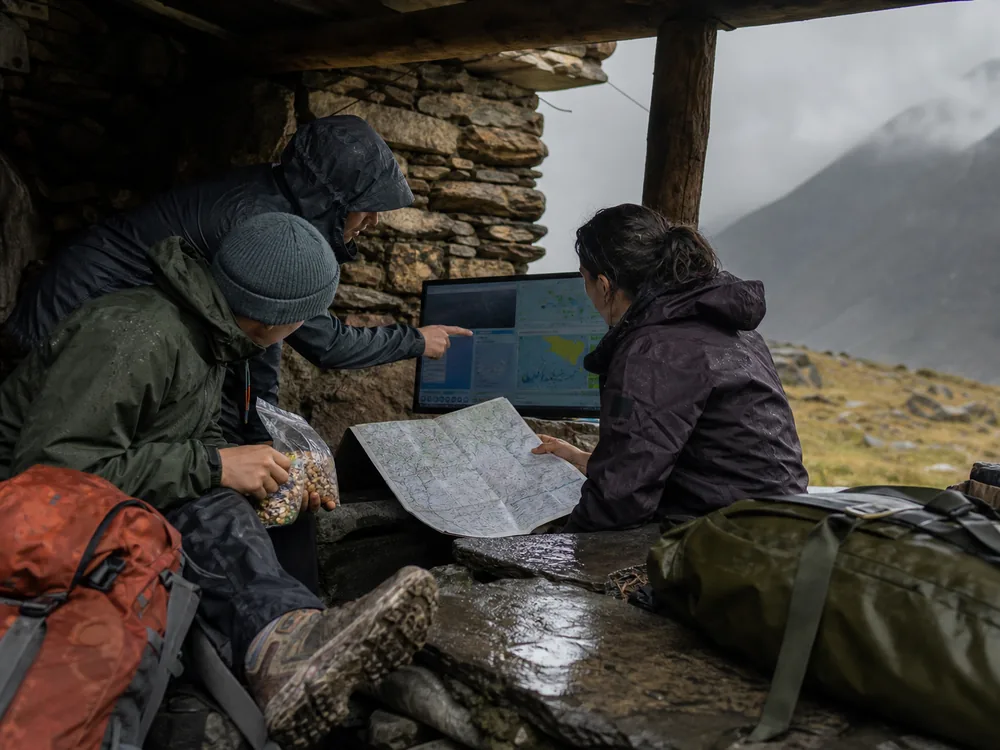
You should tell the trusted contact which dates are flexible and what overdue time should trigger action. If the route changes, update them whenever communication is available.
Separate a weather day from a recovery day in the calendar even when they may become the same date. A rainy trekking day can consume weather margin even when the group is physically ready.
Before departure, label each spare day as usable at specific locations. Extra time after the final stage cannot help a tired group or a closed pass in the middle.
Contingency needs supplies. Match extra time with food, fuel, lodging permission, and an updated trip plan.
How should weather change a planned rest day?
A rest day fixed on paper should still move for the forecast. The purpose of the day is recovery, and a recovery day spent walking through a storm, or wasted sitting in camp under clear skies, serves neither the body nor the schedule.
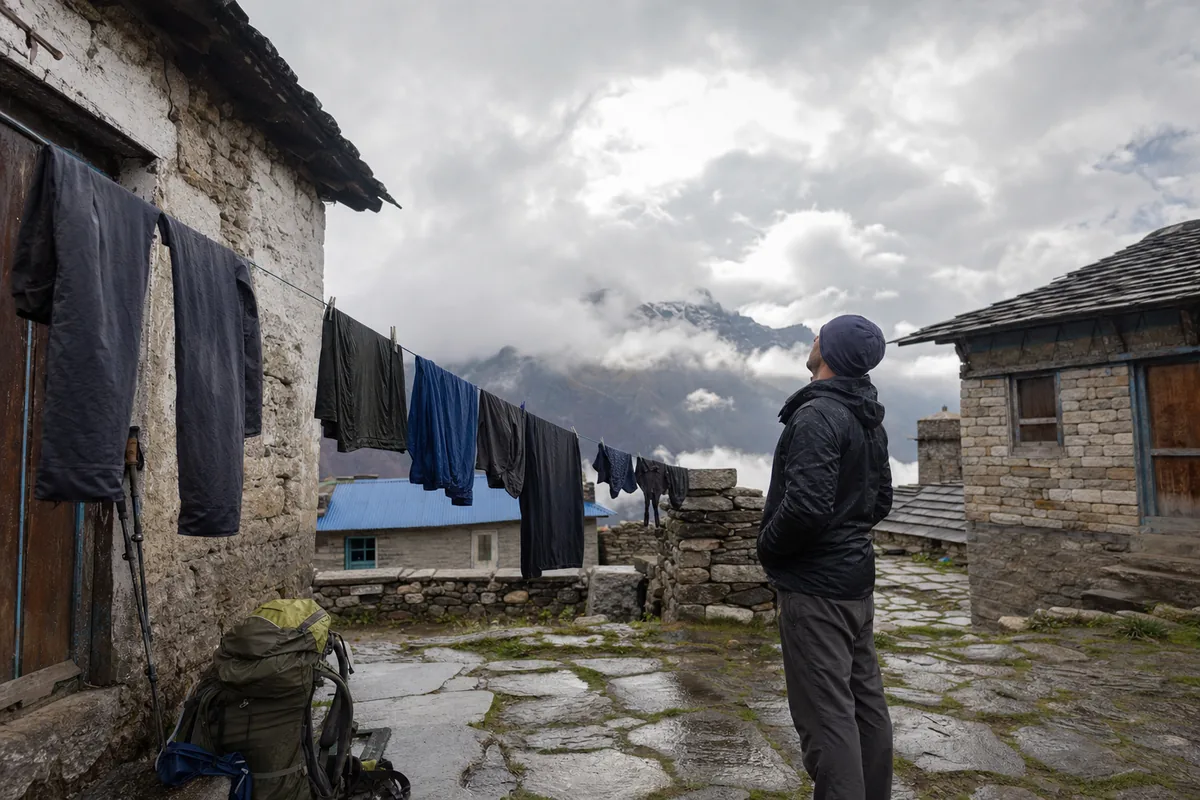
You should bring the rest day forward when a good weather window is closing, then use the clear day to cross and rest on the far side when conditions are forecast to break afterward. A missed weather window high on a route can cost far more time than a rest day shifted by one stage.
Push the rest day into bad weather when a sheltered village or valley camp lets the group recover instead of making an exposed stage. Rest when the mountain is worst, then move when the route is at its best.
Do not trade a rest day for a longer or higher stage that leaves the group more tired than the original plan, because the recovery still has to land somewhere. If moving the day creates two hard stages back to back, insert a real rest between them instead of deleting it.
Weather rarely follows the itinerary, so the durable plan treats the rest day as movable from the start.
Sources
The CDC high-altitude guidance supports sleeping-elevation limits, extra acclimatization nights, symptom decisions, and descent guidance. The NPS backcountry trip plan explains daily itineraries, alternate routes, delays, check-ins, and trusted-contact information.
AnswersQuestions readers ask
How often should you take a rest day on a trek?
One low-load day in a five to seven day block is a useful starting point, but route difficulty, altitude, pack weight, weather, and personal recovery should change the schedule.
Can a short hiking day replace a rest day?
Yes, when the short stage truly reduces climb, distance, pack load, and time on your feet. A steep side trip is not recovery simply because you return to the same bed.
Should a rest day come before or after the hardest day?
Usually before the hardest commitment, because fresh legs and clear judgment protect the stage. A short recovery day after it may still help if the next block is demanding.
What should you eat on a rest day?
Eat normal balanced meals with enough carbohydrate, protein, and fluids to support recovery. Low mileage does not erase the energy cost of earlier days.
Can altitude symptoms be treated with a rest day?
Mild symptoms may improve without further ascent, but you must not sleep higher while symptoms remain. Worsening symptoms or severe signs require descent and urgent help.