
How to Hire a Trekking Guide or Porter and Put the Terms in Writing
Define the work first, then verify the person, the employer, and the protections behind the offer.
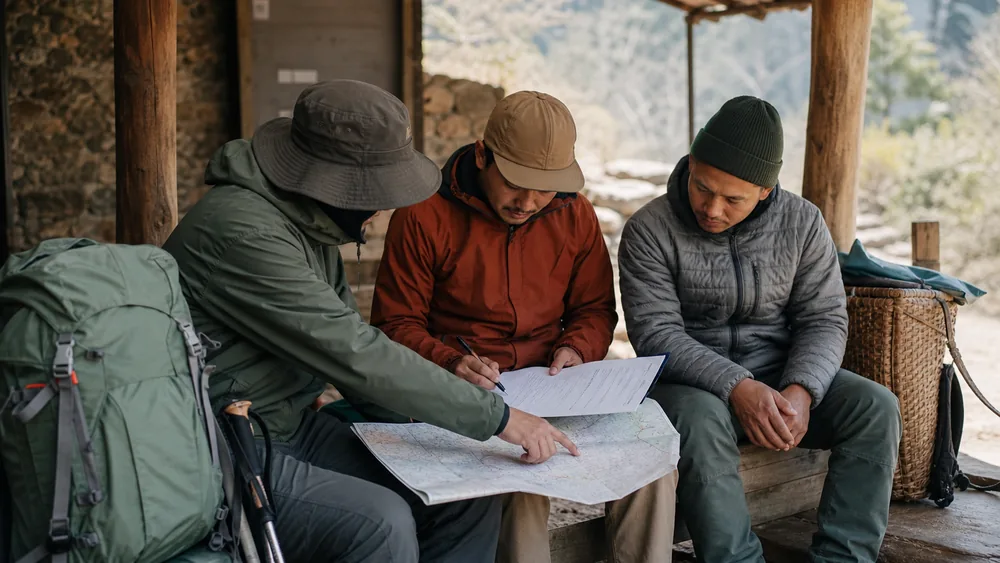
Hire a trekking guide or porter only after you define the work you need. A guide leads route and risk decisions, while a porter carries an agreed load. Some trips need both roles, and a vague offer that combines them can leave navigation, safety, or worker welfare uncovered.
Trekking guide
Leads the route, manages group decisions, and should hold qualifications appropriate to the terrain.
Porter-guide
Carries a limited load and offers some route support, but the exact leadership duty must be written down.
Porter
Carries an agreed load and needs equipment, shelter, food, insurance, and medical protection.
Technical mountain guide
Leads terrain that requires specialized climbing, snow, avalanche, rope, or rescue competence.
Titles vary between countries and companies. Define the duty before the title, then verify the training and legal status required where the trip takes place.
A low price is not useful if it omits insurance, equipment, meals, transport, or enough staff to carry the promised load safely.
Do you need a guide, porter-guide, porter, or neither?
Choose a guide when the group needs route leadership, local language support, permit compliance, hazard decisions, or technical competence. Choose a porter when the main need is moving equipment within a safe agreed load.
A porter-guide can suit a straightforward route when the worker is trained and paid for both duties. It is a poor fit when a heavy carrying load competes with navigation, group observation, and emergency leadership.
First-time clients still need the basic judgment taught in trekking for beginners. A guide supports your decisions but cannot notice every loose bootlace, missed meal, or early symptom for you.
| Need | Appropriate role to assess | Evidence to request |
|---|---|---|
| Route leadership | Trekking or mountain guide | Local authorization, training, recent route experience |
| Technical snow or climbing | Qualified mountain guide | Recognized technical credential and current rescue competence |
| Language and logistics | Guide | Confirmed languages, permit knowledge, and recent references |
| Load carrying | Porter | Written weight, equipment, insurance, and welfare terms |
| Both leadership and carrying | Porter-guide or separate team | Exact load plus exact leadership limits |
Check whether the route legally requires a guide. For Nepal, the current teahouse trek planning process includes a route-by-route TIMS check once that page is live.
Your own experience matters too. A solo trekking plan does not replace legally required support or competence for terrain beyond your training.
One person cannot cover unlimited work. Separate carrying from leadership when either duty would suffer.
A shortlist starts with licences, not prices
Start with the official tourism authority, park, guide association, or recognized training body for the destination. Ask for registered companies and the credential used for your planned activity.
Get at least three written offers that describe the same route, dates, group size, and services. This makes omissions visible and prevents a cheap quote from winning only because it excludes meals or insurance.
- Legal company name, registration number, address, and emergency contact
- Named guide or porter rather than a promise to assign someone later
- Role, daily duties, route, dates, and maximum load
- License or credential number where the role requires one
- Insurance provider, coverage dates, altitude, rescue, and medical limits
- Recent client references for a similar route
- Worker equipment, lodging, food, transport, and communication
- Cancellation, substitution, delay, and evacuation terms
Search the company and named worker separately. A strong company history does not prove the assigned person has the promised experience.
Past clients can confirm punctuality and communication, but they cannot certify technical skill. Use references alongside formal verification, not instead of it.
Compare how each company answers the same difficult scenario. A useful response names who calls for help, who stays with the client or worker, which insurance applies, and how the remaining group returns. A vague promise that the team will handle everything hides responsibility.
Check the cancellation policy before sending a deposit. It should explain refunds when the assigned guide changes, a permit is refused, the route closes, or the client cancels. Pay through a traceable method and request a receipt from the legal employer.
Shortlist named people. You are hiring the assigned worker and the organization responsible for supporting that worker.
How do you verify a guide's qualifications?
Ask which activities the credential covers. Trekking on a marked trail, glacier travel, avalanche terrain, exposed scrambling, and roped climbing demand different training.
For an IFMGA mountain guide, the federation provides a searchable guide database. IFMGA describes training that includes summer and winter alpinism, rescue, first aid, snow and avalanche work, trekking, and high altitude.
- Ask for the credential nameRecord the issuing association and qualification level.
- Match it to the terrainConfirm that trekking, snow, glacier, climbing, or avalanche duties are covered.
- Verify with the issuerSearch the official register or contact the association directly.
- Check current statusAsk whether membership, first aid, and required renewals are active.
- Confirm recent experienceRequest trips on similar terrain, altitude, and season.
- Discuss decision authorityAgree who can turn the group around and how disagreements are handled.
Do not demand an IFMGA credential for an ordinary village trail if the country uses a suitable local trekking qualification. Do not accept a basic trekking title for technical ground simply because the worker has visited the route.
Separate local knowledge from technical qualification. A person may know every lodge and junction yet lack training for glacier rescue or avalanche terrain. Another person may hold a strong technical credential but have little recent experience with the exact access rules and local transport.
For a demanding trip, ask how those needs are combined. The answer may be one suitably qualified guide, a local assistant working under that guide, or a larger team with defined duties.
Ask how the worker prepared for the season. Winter trekking conditions can require snow, avalanche, cold, and rescue competence that an ordinary dry-trail qualification does not cover.
Ask what the guide will carry. A guide overloaded with client duffels may be unable to move quickly, observe the group, or respond to an incident.
Training does not guarantee judgment, so discuss a realistic scenario. Ask what happens when one person develops altitude symptoms, the group falls behind, or the pass receives fresh snow.
Ask the candidate to describe the last trip they changed or stopped. A credible answer explains the observation, decision, client communication, and safe alternative. Someone who claims every trip reached its goal may be hiding the judgment you need to evaluate.
Verify scope, not prestige. The useful credential is the one that covers the work you are buying.
The written agreement covers pay, loads, and what happens if plans change
The agreement should name every included service and every cost. It should also state who employs the worker because that party must handle wages, insurance, equipment, and emergency obligations.
- Role
- Named guide, porter-guide, porter, or technical guide
- Route
- Start, finish, planned stages, altitude, and permitted alternatives
- Load
- Maximum client load plus how and when it is weighed
- Pay
- Wage, currency, payment dates, overtime or delay terms, and taxes
- Protection
- Insurance, medical care, rescue, evacuation, and accompaniment
- Support
- Equipment, food, lodging, transport, permits, and communication
- Changes
- Cancellation, substitution, weather delay, illness, and early finish
Ask for an itemized total. The quote should show whether you pay the worker directly or through the company, and whether tips are separate.
Compare exclusions line by line. One quote may include the guide's meals and transport while another expects clients to pay them during the trip. Convert both offers to the same complete cost before choosing.
Record the name and contact of the person who can authorize evacuation or extra nights. On a multi-day trek, a route change can create lodging, wage, and transport costs within hours.
Keep the agreement offline with insurance documents and emergency numbers. Each adult in the group should know where it is stored.
Add working hours and rest expectations when the job includes long transfers, early starts, or repeated load shuttles. A worker who guides all day and arranges lodging all evening needs a realistic rest period before making the next morning's decisions.
List who supplies food and water for staff on every stage. The group should calculate water between reliable sources for workers as well as clients.
State who owns or rents technical equipment and who inspects it. If the itinerary changes from trail walking to snow or rope work, pause until the equipment, competence, and insurance all cover the new activity.
Write down the hard cases. A fair agreement is most useful when the original itinerary fails.
How should porter load and equipment be handled?
Agree on the load before the trip, then weigh it. Include bags and shared equipment rather than counting only the items you hand over at the trailhead.
UIAA material reproducing International Porter Protection Group guidance says a load must not exceed the worker's physical ability. It gives regional upper limits, including 30 kilograms in Nepal, then says the limit should be reduced for altitude, route, and weather.
Treat that figure as a ceiling from the cited guidance, not a target. The worker's condition, difficult footing, cold, and ascent can require a much lighter load.
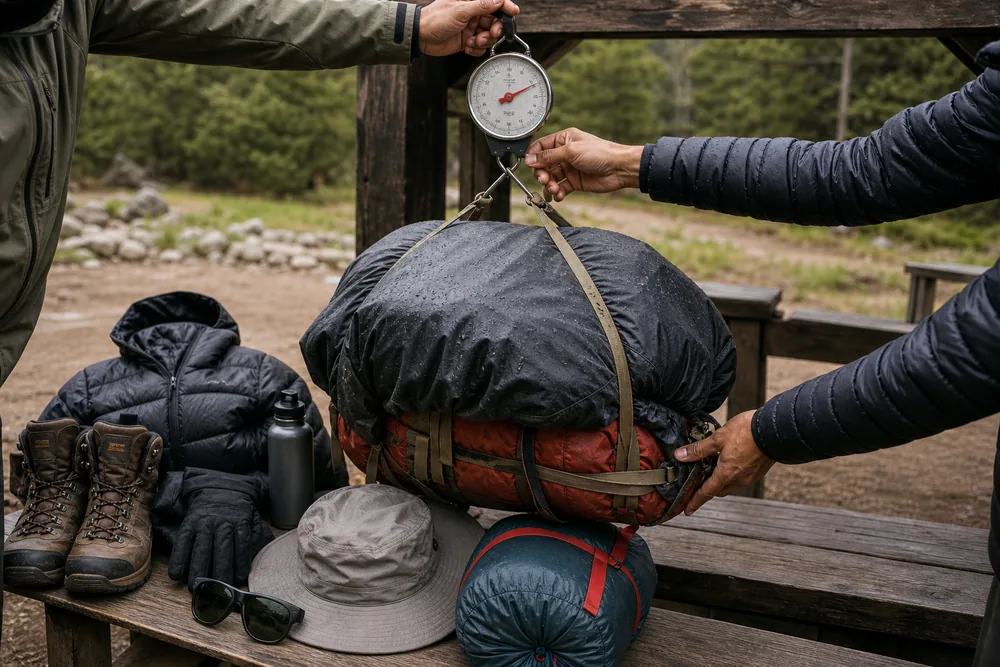
The same guidance calls for clothing suited to the season and altitude, shelter, sleeping equipment, food, hot drinks, medical care, and life insurance. A client should not carry better cold protection than the worker carrying the client's bag.
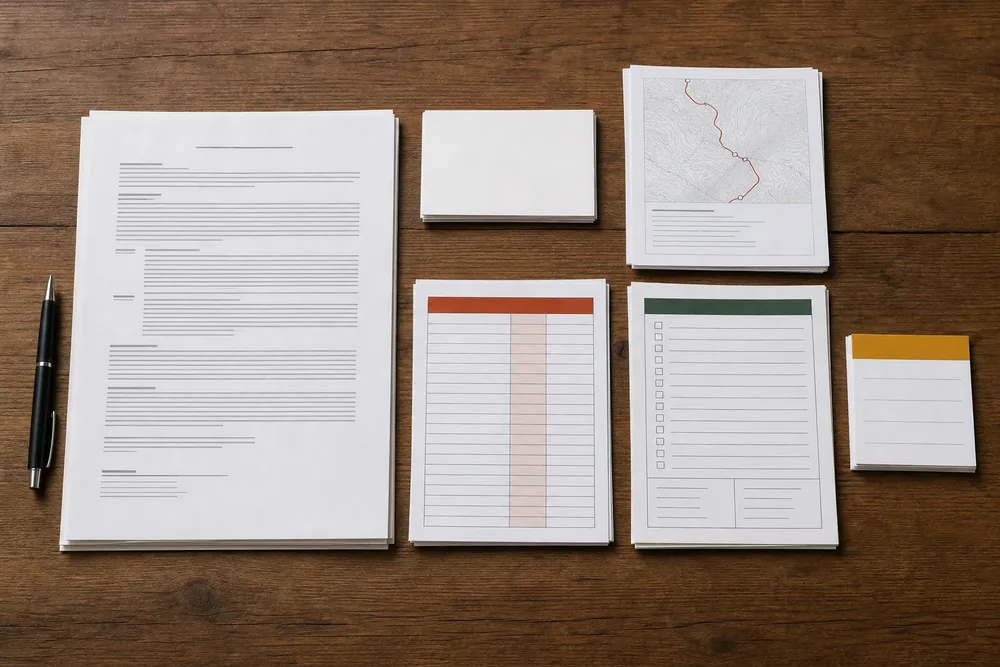
Check equipment in person. A promise of suitable gear means little if the boots do not fit or a thin jacket is expected to cover snow and wind.
Check the carrying harness or backpack while loaded. The same backpack fit principles that protect a client from pressure and sway also reveal straps or frames that cannot manage the assigned load.
Apply the same conservative load thinking used when you pack for trekking. Remove client luxuries before adding another worker or pushing an existing load upward.
The ceiling is not the goal. Reduce weight whenever conditions or the individual require it.
A few questions expose a weak offer quickly
Ask questions that require a specific action, name, or document. General claims such as fully insured or very experienced are difficult to test.
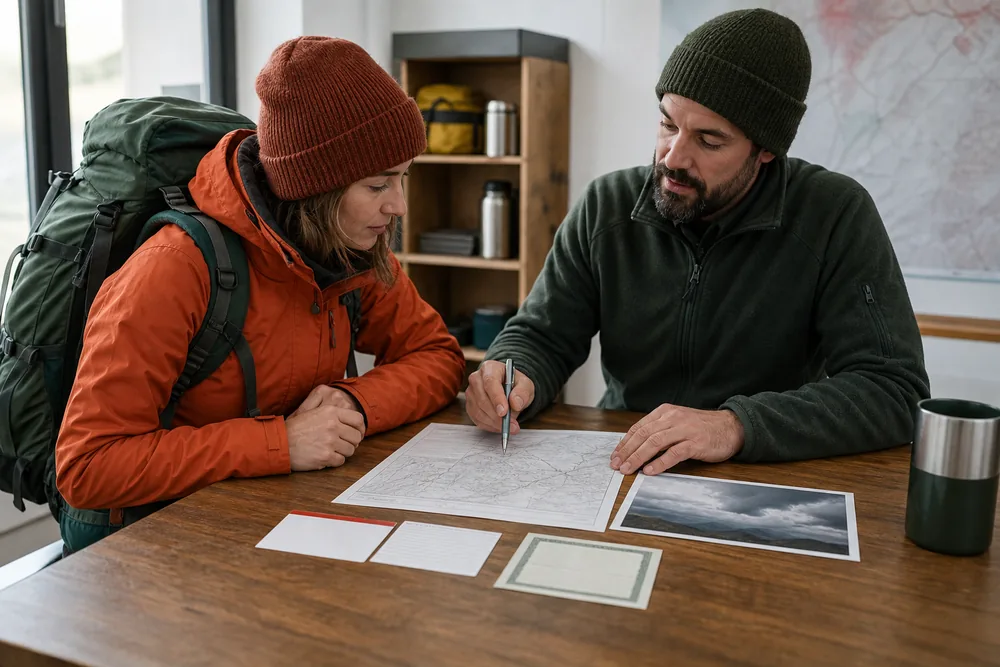
Ask who replaces the guide if that person is sick before departure. Request the minimum qualification for any substitute and your right to approve the change.
Ask who decides to turn around for weather, altitude illness, or a slow group. Compare the answer with your trekking safety plan and reject any operator who guarantees arrival regardless of conditions.
Ask how daily pace will be set before the group tires. A consistent high-altitude pace gives the guide time to observe clients and keeps the porter team from repeated surges.
Ask where workers sleep and eat on every stage. Ask who pays if a porter becomes ill and needs an extra night, treatment, accompaniment, or transport.
Ask how complaints can be raised without threatening a worker's pay. A professional company should have a responsible contact beyond the person walking with you.
Specific answers can be checked. Names, policy numbers, load weights, and decision rules reveal more than sales language.
How should payment and tips work?
Pay the agreed wage on the agreed schedule and keep a signed record. Do not withhold earned pay because weather, illness, or a safety decision shortened the route.
Tips vary by country and operator, so ask whether they are expected, pooled, or distributed by role. Treat a tip as additional recognition, not a substitute for proper wages or insurance.
Carry payment in the agreed currency and denominations. Split the money and keep a delay reserve so an extra day does not become a dispute.
A rest-day change may extend employment. The contract should state the daily rate and expenses before this happens.
Pay should be predictable. Workers should not have to absorb the cost of your itinerary change.
What happens if a worker becomes ill or the route changes?
Stop and assess the worker with the same seriousness you would give a client. UIAA porter guidance says sick or injured workers should not be sent down alone and should receive suitable medical care.
| Event | Group responsibility | Agreement to check |
|---|---|---|
| Worker illness | Stop work, assess, provide care, and arrange accompaniment | Medical, rescue, wage, and transport coverage |
| Client illness | Follow the guide's safety response and modify the route | Extra days, evacuation, and porter load changes |
| Bad weather | Move to the agreed safe alternative | Delay pay, lodging, food, and cancellation |
| Guide substitution | Verify the replacement before accepting | Minimum credential and client approval |
| Damaged equipment | Replace critical protection before continuing | Employer responsibility and expense process |
| Early finish | Settle wages and safe return transport | Payment schedule and repatriation |
Never send an ill person away merely to keep the client itinerary moving. Keep them warm, do not leave them alone, and use local medical or rescue support when needed.
Altitude symptoms can affect workers as well as clients. Follow the same rule to stop ascent and descend when symptoms worsen, supported by the high-altitude acclimatization guidance.
Report serious mistreatment to the employer and relevant local authority. Save documents, messages, dates, and witness names rather than relying on a later memory.
Everyone returns safely. The client's destination never makes a worker disposable.
Sources
The UIAA commercial trek guidance includes questions for evaluating organizers and reproduces porter protection guidance on equipment, shelter, care, insurance, illness, and load. The IFMGA guide search can verify participating mountain guides by name or identification number. The IFMGA training summary describes the breadth of its mountain-guide education.
AnswersQuestions readers ask
Is a porter also a trekking guide?
Not automatically. A porter carries an agreed load. Route leadership, hazard assessment, language support, and technical guiding require a clearly defined role and suitable qualification.
Should you hire through an agency?
A registered agency can make licensing, insurance, substitution, and emergency responsibility easier to verify. Independent hiring still requires written terms and direct verification.
What should the price include?
Ask for an itemized written quote covering wages, insurance, equipment, lodging, meals, transport, permit costs, taxes, tips, and emergency or route-change terms.
How much can a porter carry?
Do not treat a local maximum as a target. The load must be agreed, weighed, and reduced for altitude, difficult terrain, weather, and the individual worker.
What happens if a porter becomes sick?
Stop, assess the person, provide suitable medical care, and never send a sick or injured worker down alone. The agreement should name who pays for treatment, rescue, accompaniment, and lost wages.