
What Are the Early Signs of Hypothermia and How Should You Respond?
Spot the early signs before they become an emergency.
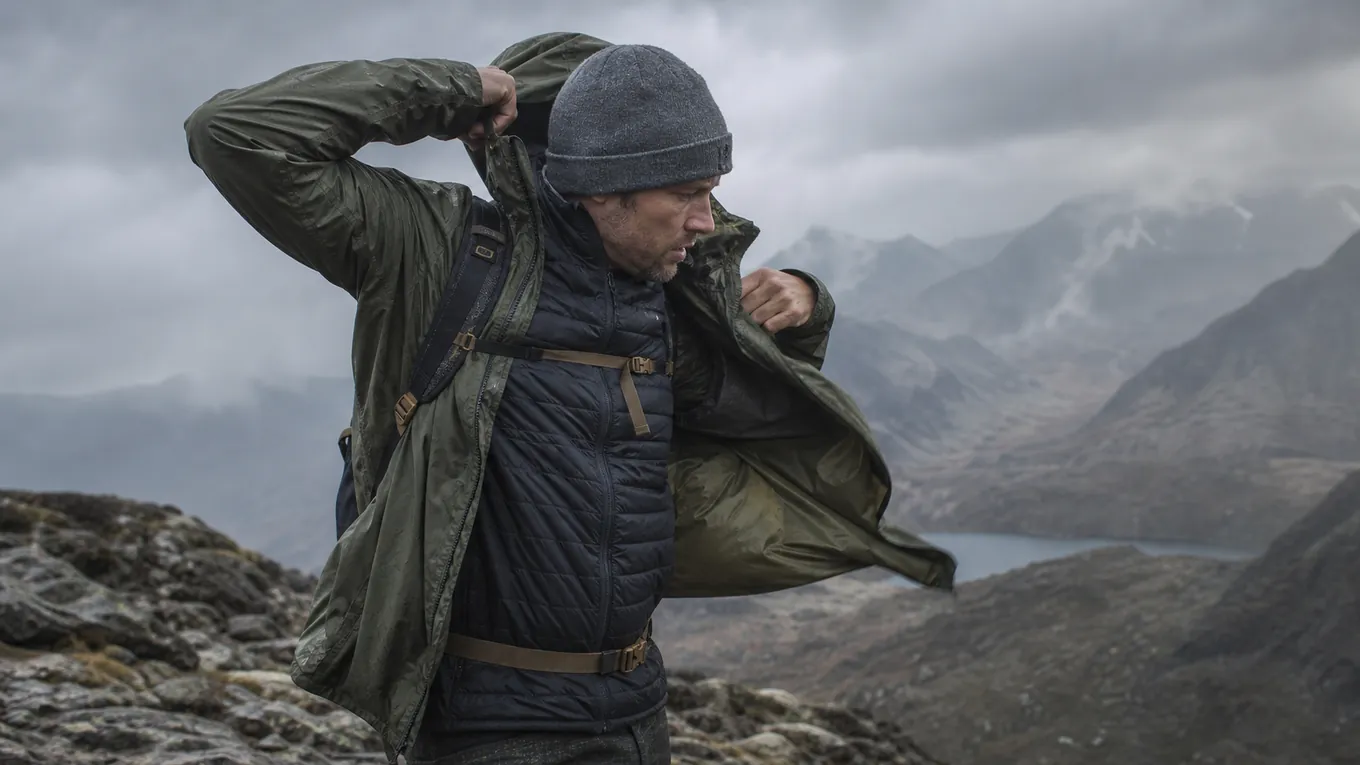
Hypothermia is a field problem before it is a dramatic emergency. Wet clothing, wind, fatigue, and slow decisions can cool a hiker well above freezing, so the useful skill is spotting the early pattern and stopping heat loss fast.
What is the first field move for suspected hypothermia?
Act while the person is still shivering and talking clearly. Move them out of wind and rain, replace wet layers with dry ones, add insulation, and give warm sweet drinks or food if they are awake and able to swallow safely.
Early action is the whole point, because waiting makes simple field fixes harder.
- First move
- Stop heat loss
- Best shelter
- Wind block, tent, car, trees, or tarp
- Wet clothing
- Remove or cover with dry insulation
- Ground contact
- Add a pad, pack, foam, or spare clothing underneath
- Escalation sign
- Worsening confusion, stumbling, or stopped shivering
Do not turn this into a long debate on trail. A short trip planning check before the day helps you know where shelter, exits, and daylight sit.
Stopping heat loss comes before trying to add heat. Wind keeps stripping away the warm air trapped by clothing, wet fabric increases heat transfer, and direct ground contact drains warmth from the back and hips.
Build shelter and ground insulation at the same time when enough helpers are present. A foam pad, empty pack, folded tarp, or spare clothing under the person matters because a blanket placed only on top leaves one major heat-loss path open.
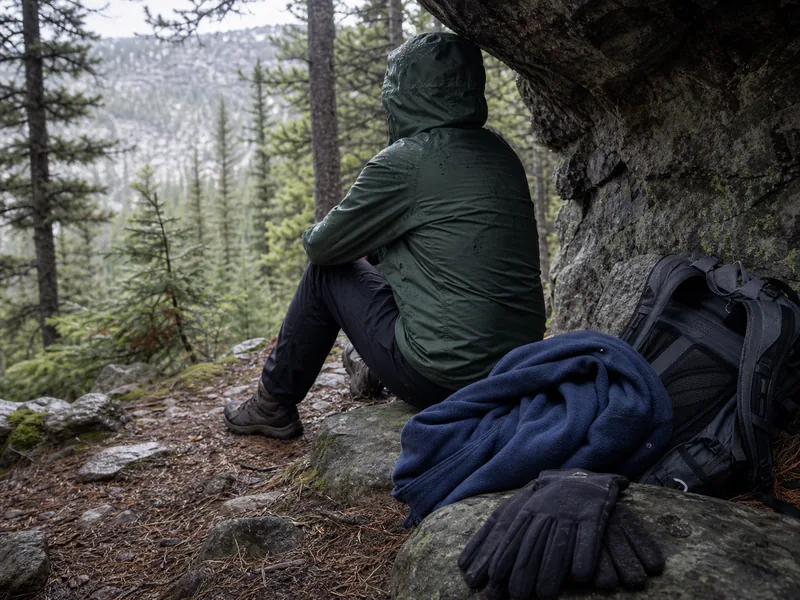
Keep watching speech, hand control, walking, and alertness after shelter is in place. Improvement supports continued warming, but no change or any decline means the group should prepare to call for help.
How can you tell cold stress from suspected hypothermia?
A cold person who is shivering but still thinks clearly, speaks normally, and handles gear may have cold stress without clear functional decline. Give that person shelter, dry insulation, food, and time to warm, then check that normal function returns.
Suspect hypothermia when cold begins changing how the person thinks or moves. Confusion, mumbling, fumbling, stumbling, unusual indifference, or inability to help remove wet clothing show that the problem has moved beyond discomfort.
Function guides the field decision when you cannot measure core temperature accurately. Skin temperature, a forehead scanner, or how cold someone says they feel cannot tell you the core temperature.
Cold but functioning
Shivering with normal speech, judgment, hand use, and balance. Shelter, feed, insulate, and reassess.
Function declining
Fumbling, slow answers, poor choices, or an unsteady gait. Stop travel and begin a full field warming response.
Alertness reduced
Mumbling, confusion, inability to stay awake, or inability to help. Activate emergency help while warming.
Unresponsive
Absent normal breathing or no response. Call emergency services and begin CPR or use an AED according to your training.
Do not wait for the person to agree with your assessment. Hypothermia affects the brain, so denial and poor choices can be part of the condition rather than reliable evidence that the person is safe.
Recheck the same simple tasks every few minutes.
Ask a clear question, watch the person open a buckle, and observe a few supported steps only if walking is safe. A trend toward slower answers or worse coordination matters more than one awkward moment.
A body temperature below 95 F or 35 C is hypothermia and needs medical attention. Most hiking groups lack a thermometer that measures core temperature reliably, so altered thinking or movement should trigger action before a number is available.
The early signs arrive long before the emergency
Early hypothermia often looks like hard shivering, clumsy hands, slow answers, grumpy speech, and sloppy footwork. The person may insist they are fine because cold judgment is not reliable.
Treat behavior changes as signs, not attitude.
- Shivering that does not settle after adding a layer.
- Hands that cannot zip, buckle, or hold small gear.
- Speech that gets slow, slurred, angry, or flat.
- Stumbling on terrain the person handled earlier.
- Quiet withdrawal from the group.
- Poor decisions that do not match the plan.
Cold hands also make navigation mistakes more likely. If the day includes confusing junctions, basic compass use keeps one small problem from adding to another.
Shivering is an early warning, but its absence does not prove that the person is improving. Shivering may weaken or stop as hypothermia becomes severe, especially when the person is exhausted or less responsive.
Watch the change from the person's normal behavior. A quiet hiker may always speak little, but a sudden glassy stare, missed answers, repeated mistakes, or indifference to getting wet shows a meaningful decline.
Children, older adults, people with injuries, and anyone who is exhausted or underfed may cool faster or show less obvious symptoms. Give them shorter reassessment intervals and a lower threshold for ending exposure.
Hypothermia does not need freezing weather
Hypothermia is not only a winter problem. Rain, wind, sweat, exhaustion, and long stops can pull heat away even when the air temperature looks mild.
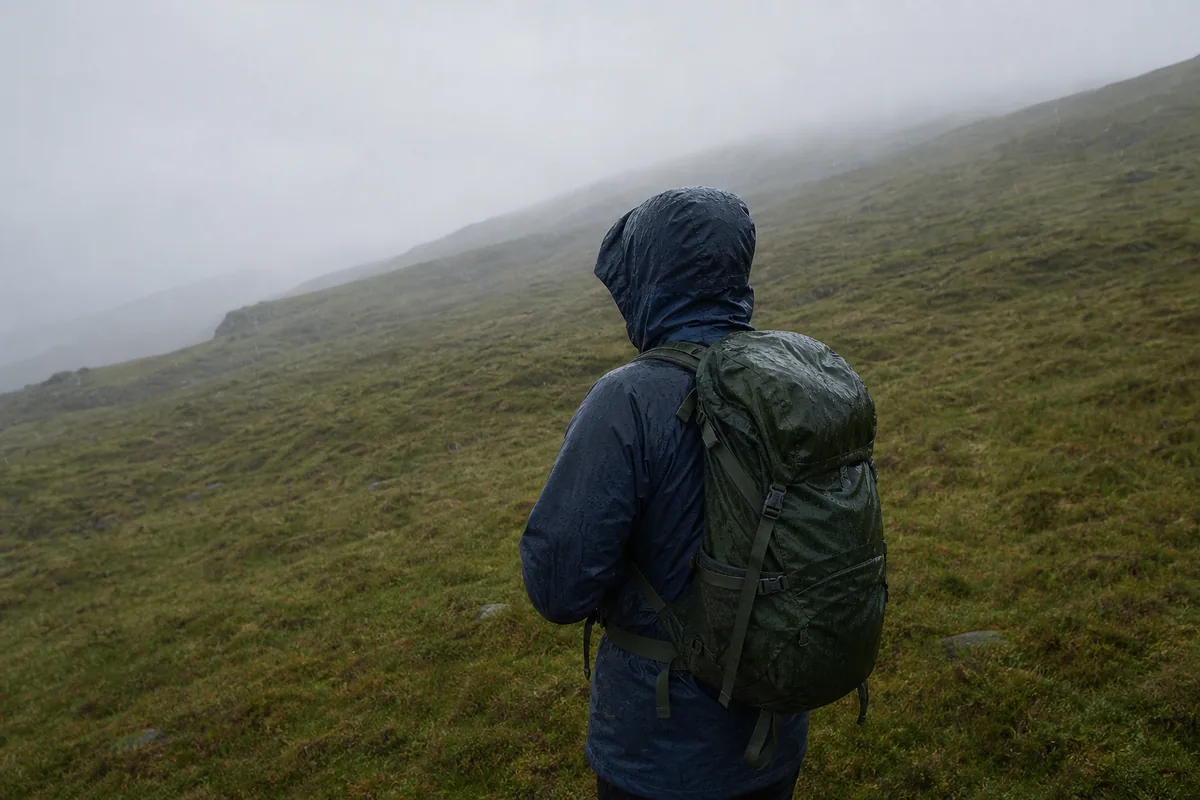
Wet plus wind plus fatigue is the common field pattern.
The CDC notes that hypothermia can occur above 40 F or 4 C when rain, sweat, or cold water chills a person. A forecast above freezing does not protect someone whose insulation is wet and whose body has little fuel left for shivering.
Four heat-loss paths often stack together. Wind drives convection, wet layers speed conduction, sweat and rain cool through evaporation, and the body keeps radiating heat whenever clothing and shelter do not trap it.
| Field factor | Why it matters | Better move |
|---|---|---|
| Rain or wet brush | Water strips heat from clothing | Add a shell before you soak through |
| Wind on a ridge | Moving air steals warmth fast | Drop below the ridge or block wind |
| Sweaty climb | Damp base layers chill during stops | Vent early and carry a dry layer |
| Low food | The body has less fuel for heat | Eat small snacks before the crash |
| Slow group pace | Long pauses cool people down | Keep breaks short and sheltered |
| Injury or exhaustion | Movement and heat production fall together | Insulate early and shorten the evacuation delay |
A beginner route with easy exits gives you more room to respond. The hiking for beginners guide explains why the safest first trail is usually the one with the easiest turnaround.
A fast climb can create the problem before the weather changes. Clothing that feels comfortable while moving uphill may hold enough sweat to chill you during a long ridge stop, injury assessment, or delayed descent.
Cold water immersion is a separate high-speed exposure. Get the person out of the water, protect them from wind, and activate emergency help early because swimming ability, breathing, and coordination can fail quickly.
How do you rewarm someone without making it worse?
Warm the person by reducing heat loss first. Add dry insulation around the torso, head, and neck, and get something between them and the cold ground.
Use gentle movement only if they are alert, coordinated, and improving. If they are getting worse, keep them still, insulated, and protected while you get help.
Dry, insulated, sheltered, and fed is the field order.
Saturated clothing should come off once the person is protected from wind and precipitation and dry replacements are ready. Cut clothing away when pulling it off would require excessive movement or expose the person for too long.
Damp clothing is a different decision. If immediate undressing would leave a less responsive person exposed in freezing wind, place active warmth over damp but not saturated fleece, then wrap with a vapor barrier and dry insulation until better shelter or rescue is available.
Place a large warm pack or hot-water bottle over the upper torso, with cloth or clothing between the heat source and skin. Follow the product instructions and check the skin often because a cold or confused person may not feel a burn developing.
Do not rub or massage cold arms and legs. Do not make an impaired person stand in a warm shower or sit in a warm bath because falls, drowning, low blood pressure, and further core cooling can follow.
Small glove or boot warmers do not produce enough heat to serve as the main rewarming method. They can also burn numb skin, so the response still depends on shelter, whole-body insulation, and controlled torso warming.
- StopGet out of wind, rain, snow, or spray.
- DryRemove wet layers when dry replacements are available.
- InsulateWrap the torso, head, neck, and legs.
- SeparatePut a pad, pack, or spare clothing under the person.
- FuelGive warm sweet drinks or food only if they can swallow safely.
- EscalateCall for help if mental status, movement, or shivering worsens.
Pack fit matters here too. A bad backpack fit makes people stop often and sweat harder, which can leave them damp before the weather turns.
Warm, sweet drinks and high-calorie food can support shivering only when the person is fully awake and can swallow without help. Never give alcohol, and never force anything by mouth when the person is drowsy, vomiting, confused, or unable to sit and swallow safely.
Keep the wrap intact after the person says they feel better. Speech and coordination should return toward normal before the group considers any movement, and worsening signs still require emergency help.
What should the rest of the group do?
Give people clear jobs so the response does not turn into a crowd. One person manages shelter and dry layers, one watches the cold hiker's speech and coordination, and one checks the exit plan or calls for help if signs are getting worse.
Keep the group warm while helping. A second cold hiker makes every decision slower, so put extra layers on anyone standing still and move the group out of wind before long explanations.
Hypothermia response works better when each person has one simple job.
Shelter lead
Finds wind block, tarp, car, trees, or a lower sheltered spot.
Warmth lead
Gets dry layers, ground insulation, hat, gloves, and food ready.
Decision lead
Watches speech, movement, and whether symptoms improve or worsen.
Exit lead
Tracks daylight, route, phone signal, and the shortest safe way out.
Write down the time you first noticed symptoms and whether speech, hand control, and alertness improve after warming. That short timeline gives rescuers better information than a vague report that the person has been cold for a while.
Do not split the group unless the exit plan, communication method, and remaining shelter capacity are clear. One helper leaving for signal can be reasonable, but the cold person should not be left with too little insulation or too few capable companions.
Which signs mean you need emergency help?
Treat it as an emergency when the person becomes confused, cannot walk normally, stops shivering while still cold, or keeps getting worse after shelter and insulation. These are not wait-and-see signs.
If cold changes thinking or movement, get help.
Cold decisions get worse after cold hands and slow speech appear.
Field safety rule
Do not give alcohol. Do not force food or drink into someone who is drowsy, vomiting, or unable to swallow safely.
A longer hiking and trekking route raises the stakes because help is farther away and dry backup layers may be all you have.
Call before the person becomes unresponsive. Decreased alertness, mumbling, inability to help with wet clothing, pale or blue skin, stumbling, and frozen skin all justify immediate emergency activation while warming continues.
Keep a person with worsening coordination from walking unless staying put creates a greater immediate danger. A fall, river crossing, or steep descent can turn cold impairment into a second emergency.
If the person becomes unresponsive and is not breathing normally, call emergency services, start CPR, and use an AED if one is available and you are trained to do so. Continue protecting the person from the ground and weather while following dispatcher instructions.
A person who improves still needs a conservative exit. Symptoms can return when insulation is opened, food runs out, or movement exposes damp layers to wind again.
A field rewarming kit is short and specific
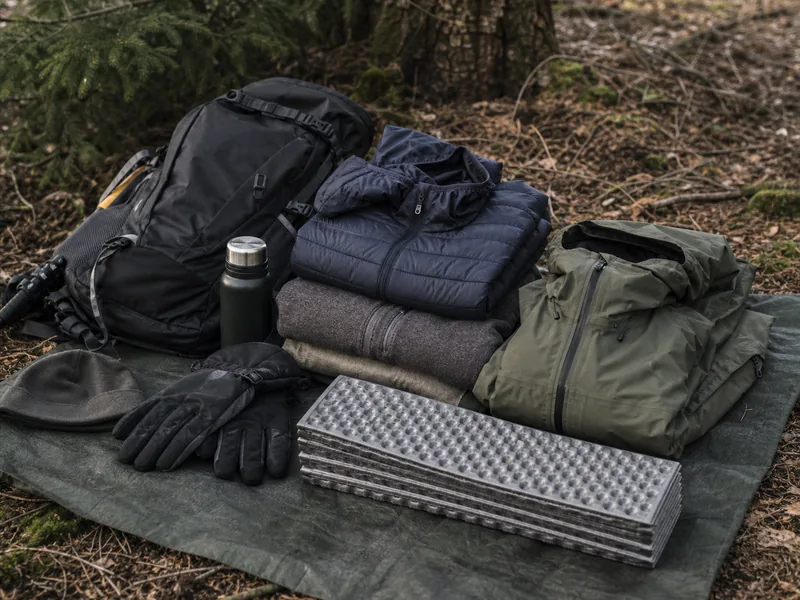
A useful kit must block wind, insulate from the ground, replace wet layers, and provide controlled warmth to the torso. One compact system works better than several small items that do the same job.
Start with a waterproof outer layer or large plastic sheet, a dry sleeping bag or insulated layers, and a foam pad. The outer layer blocks wind and moisture, while the dry insulation traps warm air and the pad closes the heat-loss path underneath.
Add a large chemical heat blanket or a warm-water bottle that can warm the torso. Pack a cloth barrier with it, and never rely on tiny hand warmers as the primary heat source.
Insulation before heat is the packing rule because a heat source cannot overcome open wind, soaked layers, and cold ground by itself.
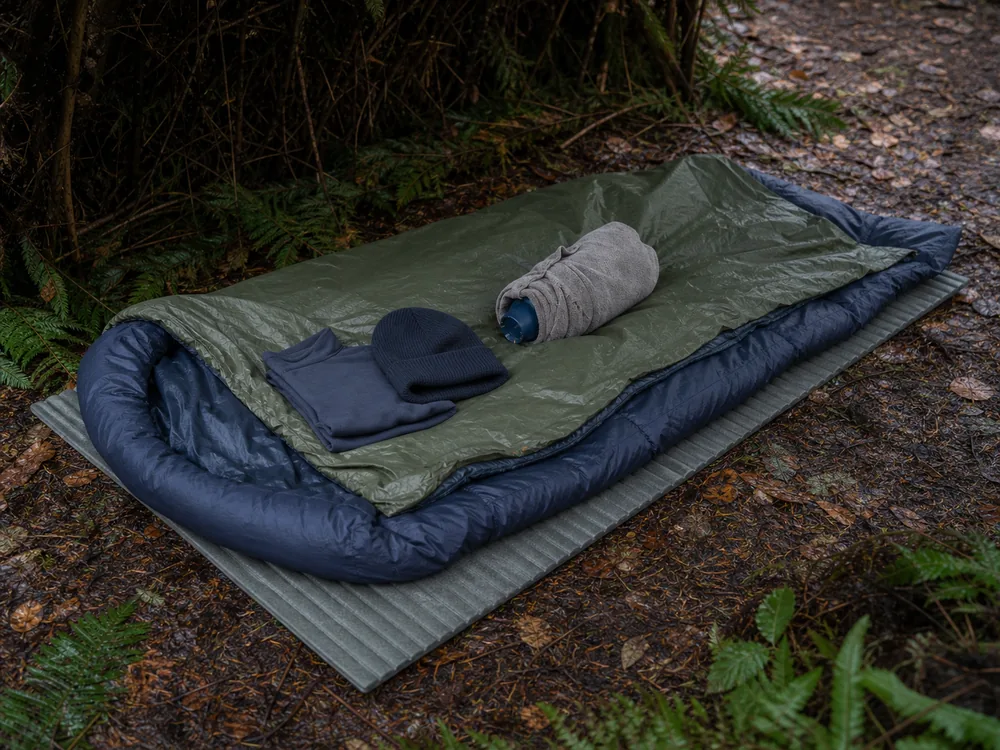
Carry a sealed dry base layer, hat, gloves, and high-calorie food that can be eaten without cooking. A warm drink is useful only if you have safe water, a reliable container, and an alert person who can swallow.
Store the kit where the group can reach it without emptying every pack in rain. Before a cold trip, open the shelter sheet, test the heat source, and confirm that the dry insulation still fits inside its waterproof bag.
How do you prevent the wet-cold-fatigue pattern?
Prevention starts with weather, clothing, pace, and turnaround choices. Carry a shell before rain starts, vent before sweat soaks your base layer, and eat before you feel empty.
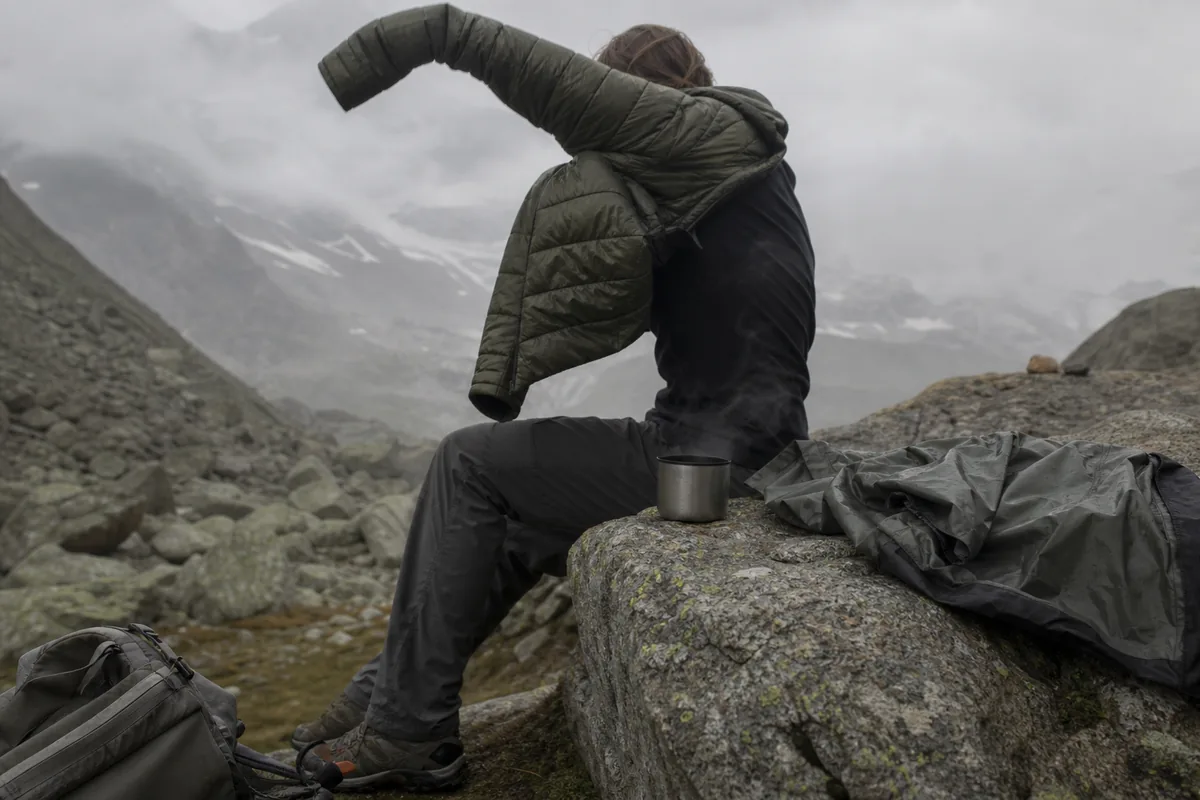
The safest hypothermia plan is avoiding the wet, tired, windblown pattern.
Clothing
Bring a wind or rain shell and one dry insulating layer.
Pace
Slow down before sweat soaks your base layer.
Fuel
Eat small snacks so the body has heat to make.
Water
Keep drinking because dehydration makes fatigue arrive sooner.
Route
Choose exits before weather or daylight gets tight.
Shelter
Know where the group can block wind and replace wet layers before coordination fades.
Group checks
Watch speech, hands, pace, and behavior instead of waiting for someone to report feeling cold.
A practical water carry plan helps because cold, tired hikers often stop drinking until fatigue has already set in.
Day hike training matters when your route has long climbs. Better fitness does not prevent cold by itself, but it gives you more margin before exhaustion joins the weather.
The broader safety library helps you connect cold stress, navigation, water, and turnaround choices before one bad condition stacks on another.
Schedule group checks before exposed ridges, long stops, and the final descent. Ask about wet layers, watch hands operate gear, and compare each person's speech and pace with the start of the day.
Protect one complete dry layer for emergencies. Clothing used all day may become damp from sweat or rain, so a sealed base layer and insulation piece give you something that can actually restore a dry air layer around the body.
Set a turnaround trigger before the group is cold. Rain reaching insulation, repeated stumbling, a delayed group, or loss of the planned exit margin should end the day even when the summit or campsite looks close.
Step by stepPractical steps
- Move out of wind, rain, snow, or spray.
- Replace or cover wet layers with dry insulation.
- Insulate the torso, head, neck, legs, and the ground underneath.
- Give warm sweet drinks or food only if the person is awake and can swallow safely.
- Call for help if confusion, stumbling, stopped shivering, or worsening symptoms appear.
AnswersQuestions readers ask
Can hypothermia happen in summer?
Yes. Wet clothing, wind, long stops, and exhaustion can bring on hypothermia even at mild temperatures.
What are the first signs of hypothermia while hiking?
Watch for hard shivering, clumsy hands, slurred or grumpy speech, stumbling, quiet withdrawal, and poor decisions.
Should I keep walking to warm up?
Only if the person is alert, coordinated, and improving. If they are confused, stumbling, or getting worse, keep them sheltered and insulated while you get help.
Can I give food or a warm drink?
Yes, if the person is awake, alert, and able to swallow safely. Do not force food or drink into someone who is drowsy, vomiting, or confused.
When should I call for help?
Call when cold affects thinking or movement, shivering stops while the person is still cold, or the person keeps getting worse after shelter and insulation.